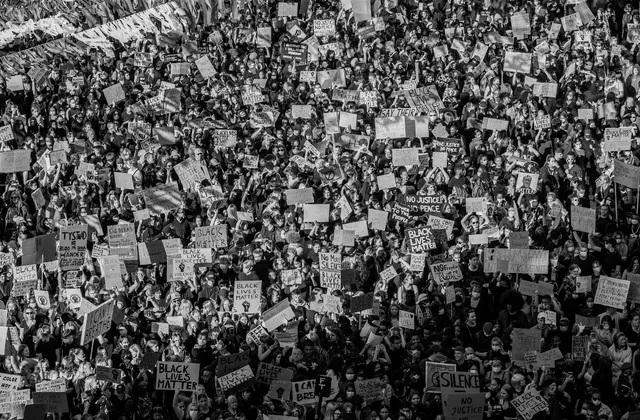
Over the past 24 to 48 hours, street protests, election pressure, softer U.S. labor signals, and AI-related investment, litigation, and supply constraints have all moved at once. Politics is testing institutional trust, markets are recalibrating rate expectations, and technology is looking less like a model race and more like a contest over power, chips, and legal risk.
Politics
India election chief protests
AP reports that anger over voter-roll changes is spilling into calls for the election chief to resign.
The bottom line: The voter-roll fight is now testing both the election commission and trust in the government.
What happened: AP says protests continued in Mumbai and elsewhere, with demonstrators demanding the election chief step down.
Why it matters: Voter-roll transparency goes straight to election legitimacy and could fuel broader opposition pressure.
What to watch: Watch whether the protests spread nationally or force the commission into further explanation or review.
Kosovo Hague court protests
AP reports that protests intensified after parliament stalled a bid to weaken the Hague war-crimes court.
The bottom line: The fight over the war-crimes court is again exposing Kosovo’s internal political split.
What happened: After parliament stalled the bill, anger spilled into the streets in Pristina.
Why it matters: The court is a symbol of postwar accountability, so mishandling it can damage both diplomacy and domestic politics.
What to watch: Watch whether lawmakers revise the bill or whether the protests spill into Kosovo’s ties with Europe.
France school protests
AP says frustration over school conditions and staffing is turning into pressure on Macron’s government.
The bottom line: The school protests have become a proxy for wider anger at the government, not just education spending.
What happened: AP reports that concerns over facilities and staffing surfaced as part of wider nationwide protests.
Why it matters: Discontent with public services can erode political support faster than budget fixes can restore it.
What to watch: Watch whether the protests broaden beyond education or force new concessions from the government.
Trump Nebraska rally
AP reports Trump held a Nebraska rally as part of a Midwest voter-reassurance push.
The bottom line: The rally was aimed at tightening support in the Midwest while addressing voter unease about the economy.
What happened: AP says Trump held a rally in Nebraska as he kept pressing his campaign message.
Why it matters: Midwestern votes can swing the map, and local economic sentiment still shapes national politics.
What to watch: Watch whether the GOP base holds and whether the campaign shifts its economic message.
Latvia election fears
AP reports that concern over Russian hybrid attacks is shaping Latvia’s parliamentary vote.
The bottom line: Security anxiety is shaping both Latvia’s government survival and its stance toward Russia.
What happened: AP says Latvians chose a new parliament with concern over Russia very much in the background.
Why it matters: Baltic security feeds directly into Europe’s Russia policy, so this vote matters beyond Riga.
What to watch: Watch whether coalition talks keep Latvia on a firm pro-Ukraine line.
Economy
US jobs slow
AP reports slower hiring and a slight uptick in unemployment, reinforcing the slowdown narrative.
The bottom line: Slower hiring is reinforcing both the slowdown story and rate-cut expectations.
What happened: AP says U.S. payroll growth slowed and the unemployment rate inched higher.
Why it matters: Labor-market cooling matters because it feeds directly into the Fed path and consumer demand.
What to watch: Watch the next inflation data and Fed comments for any shift in the timing of cuts.
US stocks near a record
AP says softer labor data helped push U.S. stocks back toward record territory.
The bottom line: Weaker jobs data is cooling hike worries and letting U.S. equities test new highs.
What happened: AP reports that major indexes moved back near highs as investors priced in easier policy.
Why it matters: Higher stocks support financing and sentiment, but they also keep valuation risk in view.
What to watch: Watch whether the rally broadens beyond tech or fades if yields climb again.
Schneider buys PTC
The SEC filing shows Schneider Electric agreed to acquire industrial software maker PTC for roughly $22.6 billion.
The bottom line: The big industrial-software deal signals more spending on automation and AI in manufacturing.
What happened: Schneider Electric disclosed plans to buy PTC for about $22.6 billion in cash.
Why it matters: The deal shows demand remains strong for digitizing factories and industrial operations.
What to watch: Watch regulatory review and whether the deal changes PTC’s growth profile.
Euro weakens
Reuters-linked reporting says French debt worries pushed the euro to a 17-month low.
The bottom line: French fiscal concern is weighing on the euro and spilling into nearby bond markets.
What happened: The euro fell to its weakest level in about 17 months as France debt and political worries grew.
Why it matters: Currency weakness can stoke import inflation, capital outflows, and harder ECB decisions.
What to watch: Watch whether French politics stabilizes and whether bond markets calm down.
Oil slips again
Reuters-linked coverage says higher Middle East exports and a G7 stocks release weighed on oil.
The bottom line: If supply keeps rising, energy prices can stay capped even with geopolitical risks in the background.
What happened: Oil came under pressure as higher Middle East exports met the G7 stock release.
Why it matters: Oil feeds directly into inflation expectations and business costs, so the macro impact is broad.
What to watch: Watch producer supply behavior and the demand outlook into year-end.
Technology
OpenAI DevDay agents
Reuters Connect shows OpenAI leaning into always-on agents as it pushes further into enterprise AI.
The bottom line: OpenAI is shifting its center of gravity from chat to always-on agentic AI.
What happened: Reuters Connect says OpenAI emphasized always-on enterprise agents while framing the launch against Meta.
Why it matters: For enterprise AI, being embedded in workflows matters more than a flashy demo.
What to watch: Watch for real customer adoption and any fast follow from competitors.
OpenAI legal AI
Reuters via Westlaw reports that OpenAI launched a legal-focused AI platform.
The bottom line: Legal AI is the next front in the shift from general-purpose tools to specialized workflow products.
What happened: OpenAI introduced a legal-focused AI platform, intensifying the race for law firm users.
Why it matters: Legal work is high-value and document-heavy, which makes it a prime AI adoption market.
What to watch: Watch for big-law adoption and any pushback over confidentiality or regulation.
DeepSeek and Huawei
Reuters reports DeepSeek is working with Huawei on chip-programming tools for Ascend hardware.
The bottom line: Chinese AI players are also pushing independence in the software stack around domestic chips.
What happened: Reuters says DeepSeek and Huawei are working on tools meant to reduce reliance on Nvidia.
Why it matters: AI competition now extends beyond model quality to compilers, toolchains, and developer ecosystems.
What to watch: Watch whether the Ascend tools see real adoption and whether Nvidia alternatives improve.
AI power crunch
Reuters-linked coverage says AI power shortages are becoming a bottleneck across the chip supply chain.
The bottom line: Power and data-center capacity are becoming the newer constraint, not just GPU availability.
What happened: Morgan Stanley’s analysis highlighted how AI demand is stressing the supply chain and power grid.
Why it matters: The pace of AI spending now depends as much on infrastructure expansion as on model development.
What to watch: Watch whether data-center buildouts, transmission, and cooling can catch up.
FBI breach fallout
Reuters reports that an Accenture contractor was removed from an FBI-related role after a damaging breach.
The bottom line: Large outsourcing deals can widen the blast radius when sensitive data is exposed.
What happened: Reuters says the contractor was removed after the FBI-related breach came to light.
Why it matters: In government IT, contractor oversight and access control become immediate political and operational issues.
What to watch: Watch for the breach scope, contract changes, and whether oversight gets tightened.
Cross-cutting read
- Politics and protest pressure are testing trust in institutions across several countries.
- Softer U.S. labor data and European fiscal worries are feeding into rates, currencies, and equities.
- AI competition is shifting from model demos toward power, components, and legal exposure.
What to watch next
- Whether the protests turn into policy change or leadership pressure.
- How the softer September jobs data shapes the Fed path next.
- Whether AI investment slows as power and litigation constraints bite.
直近24〜48時間は、街頭抗議と選挙の緊張、米雇用の減速、そしてAIをめぐる投資・訴訟・供給制約が同じ時間帯に動きました。政治では選挙の正統性や制度への不信が前面に出て、経済では金利見通しと資本市場が再調整され、技術ではモデル競争よりも電力、チップ、法務リスクのほうが目立っています。
政治
インド選管トップ辞任要求
APは、有権者名簿の変更をめぐる抗議が選挙管理委員長の辞任要求に広がっていると伝えました。
要点: 選挙名簿の修正をめぐる抗議が、選管の正統性と政権への不信を同時に強めています。
何が起きたか: APによると、ムンバイなどで抗議が続き、参加者は選挙管理委員長の辞任を求めました。
なぜ重要か: 有権者名簿の透明性は選挙の正当性に直結し、反発が広がれば野党運動の追い風になります。
今後の注視点: 抗議が全国規模に広がるか、選管が説明や見直しを迫られるかを見ます。
コソボでハーグ法廷反対抗議
APは、議会がハーグの戦争犯罪法廷の権限を弱める案を止めたことで抗議が拡大したと報じました。
要点: 戦争犯罪法廷をめぐる対立が、コソボ国内の政治分断を再び表面化させています。
何が起きたか: 議会が権限縮小案の前進を止めた後、首都プリシュティナで不満が街頭に出ました。
なぜ重要か: この法廷は戦後責任の象徴であり、扱いを誤ると対外関係と国内統治の両方に響きます。
今後の注視点: 与野党が法案を修正するのか、抗議が欧州との関係に波及するのかを見ます。
フランスで学校抗議が拡大
APは、学校の老朽化や教員不足への不満がマクロン政権への圧力になっていると伝えました。
要点: 学校問題の抗議は、教育予算だけでなく政権全体への不満の受け皿になっています。
何が起きたか: APによると、学校の設備や人員をめぐる不満が、全国の抗議の一部として前面に出ました。
なぜ重要か: 公共サービスへの不満は、財政調整よりも先に政治的な支持率を削ることがあります。
今後の注視点: 抗議が教育以外の要求に広がるか、政府が追加措置を出すかを確認します。
トランプ氏がネブラスカで集会
APは、トランプ氏がネブラスカで集会を開き、選挙戦の中西部固めを進めたと報じました。
要点: 中西部での集会は、支持層の引き締めと経済不安への対処を同時に狙う動きです。
何が起きたか: APによると、トランプ氏はネブラスカで支持者向けの集会を行い、選挙戦を続けました。
なぜ重要か: 中西部の票は選挙地図を左右し、地元の景気認識が全国政治の空気を決めます。
今後の注視点: 共和党の地盤固めが進むか、経済をめぐるメッセージが変わるかを見ます。
ラトビア総選挙で安全保障が争点
APは、ラトビアの新議会選でロシアのハイブリッド攻撃への警戒が争点になっていると報じました。
要点: 安全保障不安が、ラトビアの政権維持と対ロ姿勢を左右しています。
何が起きたか: APによると、ラトビアでは有権者が新議会を選び、対ロ警戒が大きな論点になりました。
なぜ重要か: バルト海地域の安全保障は欧州全体の対ロ政策に直結し、選挙結果はその一部になります。
今後の注視点: 連立交渉が親ウクライナ路線を維持できるかどうかを見ます。
経済
米雇用の減速
APは、雇用の伸びが鈍化し、失業率が小幅に上がったことで景気減速観測が強まったと伝えました。
要点: 雇用の鈍化は、景気減速と利下げ観測を同時に強めました。
何が起きたか: APによると、米国の雇用者数は伸びが鈍く、失業率もやや上がりました。
なぜ重要か: 労働市場の減速はFRBの判断と家計消費の見通しに直結します。
今後の注視点: 次のインフレ指標とFRB発言が、利下げの時期をどう示唆するかを見ます。
米株が高値圏に接近
APは、雇用の弱さを背景に米株が再び高値圏へ向かったと報じました。
要点: 弱い雇用で利上げ懸念が和らぎ、米株は再び上値を試しています。
何が起きたか: APによると、主要株価指数は高値圏まで上昇し、投資家は利下げ期待を織り込みました。
なぜ重要か: 株高は資金調達と消費心理を支えますが、バリュエーションの高さも意識されます。
今後の注視点: テック株主導の上昇が広がるか、金利上昇で失速するかを見ます。
SchneiderがPTCを買収
SEC提出資料は、Schneider Electricが産業ソフトのPTCを約226億ドルで取得すると示しています。
要点: 産業ソフトの大型買収は、製造業のAI・自動化投資を押し上げる動きです。
何が起きたか: Schneider Electricは、PTCを約226億ドルの現金で買収する方針を開示しました。
なぜ重要か: 大型M&Aは、工場や設備のデジタル化需要がなお強いことを示します。
今後の注視点: 規制審査の行方と、買収がPTCの成長率をどう変えるかを見ます。
ユーロ安が続く
Reuters系の報道は、フランスの債務懸念がユーロを押し下げたと伝えました。
要点: フランスの財政不安が、ユーロと周辺国債を同時に圧迫しています。
何が起きたか: ユーロはフランスの債務・政治不安を受けて17カ月ぶり安値圏まで下げました。
なぜ重要か: 通貨安は輸入インフレと資金流出を招き、欧州中銀の判断も難しくします。
今後の注視点: 仏政局の安定化と、債券市場の落ち着きが戻るかを見ます。
原油は上値が重い
Reuters系の報道は、中東の原油輸出増とG7の備蓄放出が相場を押し下げたと伝えました。
要点: 供給増が続けば、エネルギー価格は地政学リスクに反して伸び悩みやすくなります。
何が起きたか: 中東の輸出増とG7の在庫放出が重なり、原油は下押しされました。
なぜ重要か: 原油はインフレ期待と企業コストの両方に効くため、マクロ全体への波及が大きいです。
今後の注視点: 産油国の供給姿勢と、年末にかけた需要見通しを見ます。
技術
OpenAIが常時稼働エージェントへ
Reuters Connectは、OpenAIが企業向けAIの文脈で常時稼働エージェントを前面に出したと伝えました。
要点: OpenAIはチャットから常時稼働するエージェント型AIへ、製品の重心を動かしています。
何が起きたか: Reuters Connectの報道では、OpenAIがMeta対抗を意識しつつ企業向けの常時稼働エージェントを押し出しました。
なぜ重要か: 企業向けAIは、デモよりも業務に張り付く常時稼働性が差別化要因になっています。
今後の注視点: 実運用の導入例と、競合各社の追随が出るかを見ます。
OpenAIの法務AI
Westlaw掲載のReuters配信は、OpenAIが法律分野向けのAIプラットフォームを出したと伝えました。
要点: 法務向けAIは、一般用途から専門業務へAIが浸透する次の競争軸です。
何が起きたか: OpenAIは法律業界向けのAIプラットフォームを打ち出し、法務向けの争いを強めました。
なぜ重要か: 法務は高単価で、文書処理が多く、AIの採用余地が大きい市場です。
今後の注視点: 大手法律事務所が本格導入するか、規制上の懸念が出るかを見ます。
DeepSeekとHuaweiが連携
Reuters配信は、DeepSeekがHuaweiと組んでAscend向けの開発ツールを進めると伝えました。
要点: 中国勢は、AIモデルだけでなく自国チップ向けの開発環境でも独立を急いでいます。
何が起きたか: Reutersは、DeepSeekがHuaweiと組み、Nvidia依存を下げるツール開発を進めていると報じました。
なぜ重要か: AI競争はモデル性能だけでなく、コンパイラや開発環境の主導権にも広がっています。
今後の注視点: Ascend向け開発ツールが実運用で使われるか、Nvidia代替の進展があるかを見ます。
AI電力不足で半導体供給が圧迫
Reuters配信は、AI向けの電力制約がチップ供給網のボトルネックになっていると伝えました。
要点: GPUの不足よりも、電力とデータセンター容量のほうが新しい制約になりつつあります。
何が起きたか: Morgan Stanleyの分析を受け、AI需要の拡大が供給網と電力インフラを圧迫していると報じられました。
なぜ重要か: AI投資の実現性は、モデル開発よりもインフラ拡張の速度に左右されます。
今後の注視点: データセンター投資、送電、冷却設備の増強が追いつくかを見ます。
FBI漏えいで委託先に打撃
Reuters配信は、FBIのデータ侵害後にAccentureの委託先が外されたと報じました。
要点: 大規模委託と機密データの組み合わせは、サプライチェーンの弱点を一気に広げます。
何が起きたか: Reutersは、FBI関連のデータ侵害を受けてAccentureの委託先が役割を外れたと伝えました。
なぜ重要か: 政府系ITでは、委託先管理とアクセス制御の甘さが即座に政治問題になります。
今後の注視点: 追加の漏えい範囲、契約見直し、監査の強化が出るかを見ます。
横断的な見立て
- 政治では抗議と選挙が同時進行し、制度への信頼が各国で試されています。
- 経済では弱い雇用と欧州の財政不安が、金利・為替・株価に連鎖しています。
- 技術ではAIの競争軸がモデル性能から電力、部材、法務の制約へ移っています。
追跡すべき未確定事項
- 各国の抗議が政権交代や制度改正にどこまで波及するか。
- 9月雇用の弱さが次のFRB判断にどう反映されるか。
- AI投資の加速が電力制約と訴訟リスクで鈍るか。