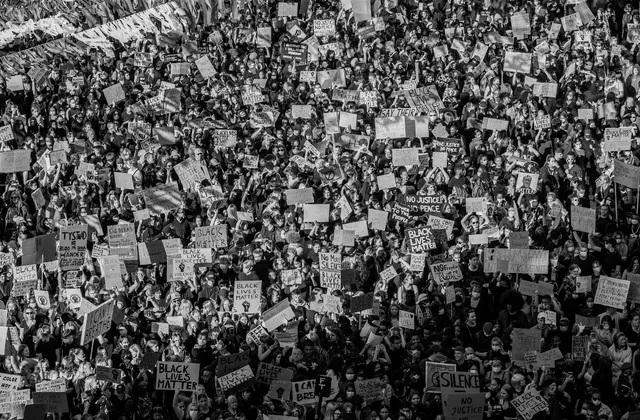
Over the past 24 to 48 hours, street protests, election pressure, softer U.S. labor signals, and AI-related investment, litigation, and supply constraints have all moved at once. Politics is testing institutional trust, markets are recalibrating rate expectations, and technology is looking less like a model race and more like a contest over power, chips, and legal risk.
Politics
India election chief protests
AP reports that anger over voter-roll changes is spilling into calls for the election chief to resign.
The bottom line: The voter-roll fight is now testing both the election commission and trust in the government.
What happened: AP says protests continued in Mumbai and elsewhere, with demonstrators demanding the election chief step down.
Why it matters: Voter-roll transparency goes straight to election legitimacy and could fuel broader opposition pressure.
What to watch: Watch whether the protests spread nationally or force the commission into further explanation or review.
Kosovo Hague court protests
AP reports that protests intensified after parliament stalled a bid to weaken the Hague war-crimes court.
The bottom line: The fight over the war-crimes court is again exposing Kosovo’s internal political split.
What happened: After parliament stalled the bill, anger spilled into the streets in Pristina.
Why it matters: The court is a symbol of postwar accountability, so mishandling it can damage both diplomacy and domestic politics.
What to watch: Watch whether lawmakers revise the bill or whether the protests spill into Kosovo’s ties with Europe.
France school protests
AP says frustration over school conditions and staffing is turning into pressure on Macron’s government.
The bottom line: The school protests have become a proxy for wider anger at the government, not just education spending.
What happened: AP reports that concerns over facilities and staffing surfaced as part of wider nationwide protests.
Why it matters: Discontent with public services can erode political support faster than budget fixes can restore it.
What to watch: Watch whether the protests broaden beyond education or force new concessions from the government.
Trump Nebraska rally
AP reports Trump held a Nebraska rally as part of a Midwest voter-reassurance push.
The bottom line: The rally was aimed at tightening support in the Midwest while addressing voter unease about the economy.
What happened: AP says Trump held a rally in Nebraska as he kept pressing his campaign message.
Why it matters: Midwestern votes can swing the map, and local economic sentiment still shapes national politics.
What to watch: Watch whether the GOP base holds and whether the campaign shifts its economic message.
Latvia election fears
AP reports that concern over Russian hybrid attacks is shaping Latvia’s parliamentary vote.
The bottom line: Security anxiety is shaping both Latvia’s government survival and its stance toward Russia.
What happened: AP says Latvians chose a new parliament with concern over Russia very much in the background.
Why it matters: Baltic security feeds directly into Europe’s Russia policy, so this vote matters beyond Riga.
What to watch: Watch whether coalition talks keep Latvia on a firm pro-Ukraine line.
Economy
US jobs slow
AP reports slower hiring and a slight uptick in unemployment, reinforcing the slowdown narrative.
The bottom line: Slower hiring is reinforcing both the slowdown story and rate-cut expectations.
What happened: AP says U.S. payroll growth slowed and the unemployment rate inched higher.
Why it matters: Labor-market cooling matters because it feeds directly into the Fed path and consumer demand.
What to watch: Watch the next inflation data and Fed comments for any shift in the timing of cuts.
US stocks near a record
AP says softer labor data helped push U.S. stocks back toward record territory.
The bottom line: Weaker jobs data is cooling hike worries and letting U.S. equities test new highs.
What happened: AP reports that major indexes moved back near highs as investors priced in easier policy.
Why it matters: Higher stocks support financing and sentiment, but they also keep valuation risk in view.
What to watch: Watch whether the rally broadens beyond tech or fades if yields climb again.
Schneider buys PTC
The SEC filing shows Schneider Electric agreed to acquire industrial software maker PTC for roughly $22.6 billion.
The bottom line: The big industrial-software deal signals more spending on automation and AI in manufacturing.
What happened: Schneider Electric disclosed plans to buy PTC for about $22.6 billion in cash.
Why it matters: The deal shows demand remains strong for digitizing factories and industrial operations.
What to watch: Watch regulatory review and whether the deal changes PTC’s growth profile.
Euro weakens
Reuters-linked reporting says French debt worries pushed the euro to a 17-month low.
The bottom line: French fiscal concern is weighing on the euro and spilling into nearby bond markets.
What happened: The euro fell to its weakest level in about 17 months as France debt and political worries grew.
Why it matters: Currency weakness can stoke import inflation, capital outflows, and harder ECB decisions.
What to watch: Watch whether French politics stabilizes and whether bond markets calm down.
Oil slips again
Reuters-linked coverage says higher Middle East exports and a G7 stocks release weighed on oil.
The bottom line: If supply keeps rising, energy prices can stay capped even with geopolitical risks in the background.
What happened: Oil came under pressure as higher Middle East exports met the G7 stock release.
Why it matters: Oil feeds directly into inflation expectations and business costs, so the macro impact is broad.
What to watch: Watch producer supply behavior and the demand outlook into year-end.
Technology
OpenAI DevDay agents
Reuters Connect shows OpenAI leaning into always-on agents as it pushes further into enterprise AI.
The bottom line: OpenAI is shifting its center of gravity from chat to always-on agentic AI.
What happened: Reuters Connect says OpenAI emphasized always-on enterprise agents while framing the launch against Meta.
Why it matters: For enterprise AI, being embedded in workflows matters more than a flashy demo.
What to watch: Watch for real customer adoption and any fast follow from competitors.
OpenAI legal AI
Reuters via Westlaw reports that OpenAI launched a legal-focused AI platform.
The bottom line: Legal AI is the next front in the shift from general-purpose tools to specialized workflow products.
What happened: OpenAI introduced a legal-focused AI platform, intensifying the race for law firm users.
Why it matters: Legal work is high-value and document-heavy, which makes it a prime AI adoption market.
What to watch: Watch for big-law adoption and any pushback over confidentiality or regulation.
DeepSeek and Huawei
Reuters reports DeepSeek is working with Huawei on chip-programming tools for Ascend hardware.
The bottom line: Chinese AI players are also pushing independence in the software stack around domestic chips.
What happened: Reuters says DeepSeek and Huawei are working on tools meant to reduce reliance on Nvidia.
Why it matters: AI competition now extends beyond model quality to compilers, toolchains, and developer ecosystems.
What to watch: Watch whether the Ascend tools see real adoption and whether Nvidia alternatives improve.
AI power crunch
Reuters-linked coverage says AI power shortages are becoming a bottleneck across the chip supply chain.
The bottom line: Power and data-center capacity are becoming the newer constraint, not just GPU availability.
What happened: Morgan Stanley’s analysis highlighted how AI demand is stressing the supply chain and power grid.
Why it matters: The pace of AI spending now depends as much on infrastructure expansion as on model development.
What to watch: Watch whether data-center buildouts, transmission, and cooling can catch up.
FBI breach fallout
Reuters reports that an Accenture contractor was removed from an FBI-related role after a damaging breach.
The bottom line: Large outsourcing deals can widen the blast radius when sensitive data is exposed.
What happened: Reuters says the contractor was removed after the FBI-related breach came to light.
Why it matters: In government IT, contractor oversight and access control become immediate political and operational issues.
What to watch: Watch for the breach scope, contract changes, and whether oversight gets tightened.
Cross-cutting read
- Politics and protest pressure are testing trust in institutions across several countries.
- Softer U.S. labor data and European fiscal worries are feeding into rates, currencies, and equities.
- AI competition is shifting from model demos toward power, components, and legal exposure.
What to watch next
- Whether the protests turn into policy change or leadership pressure.
- How the softer September jobs data shapes the Fed path next.
- Whether AI investment slows as power and litigation constraints bite.