Published
-
Election postponement and regime legitimacy in wartime Ukraine and Russia
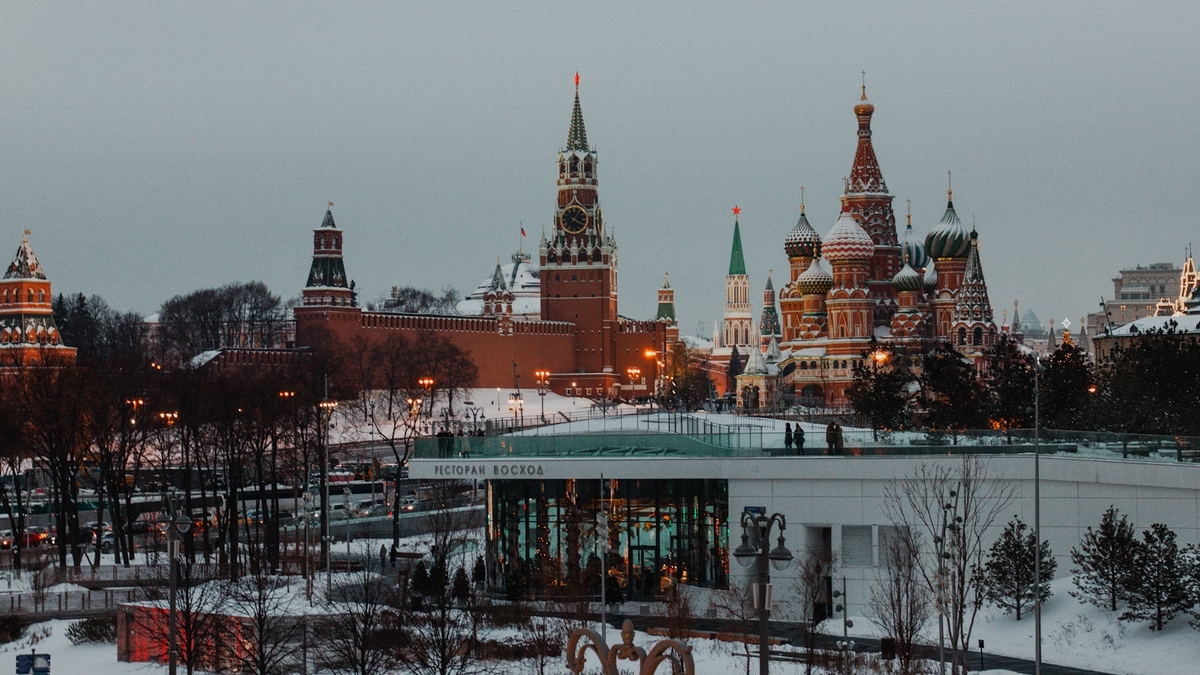
Photo by Pauline Iakovleva on Unsplash
Election postponement and regime legitimacy in wartime Ukraine and Russia
1. Executive Summary
As of May 2026, Ukraine and Russia are both wartime states, but they handle elections in opposite ways. Ukraine has stopped nationwide elections under martial law and continued the incumbent’s authority according to its constitution. Russia has kept elections going, but the 2024 presidential election could not be monitored by the OSCE/ODIHR, and competition was heavily constrained by pressure on opposition figures and independent media. 出典: Council of Europe PACE, elections in times of crisis and martial law, OSCE/ODIHR, Russia presidential election 2024, UN Special Rapporteur on the situation of human rights in the Russian Federation
The key distinction is between legal continuity and electoral legitimacy. Ukraine prioritizes the first by suspending voting, while Russia preserves the appearance of the second without preserving competitive conditions. The two countries therefore diverge even though both are under wartime constraints. 出典: This distinction is an inference drawn from Ukraine’s constitutional and martial-law rules and from OSCE/UN assessments of Russia. Ukraine-side sources include Article 108 of the Constitution of Ukraine and the Law on Martial Law.
       flowchart LR
    U[Ukraine: martial law] --> U1[No elections]
    U1 --> U2[Constitutional continuity]
    R[Russia: wartime elections] --> R1[Controlled competition]
R1 --> R2[Legitimacy disputed]2. Bottom line
The same word “election” means different things in the two systems. Ukraine postpones voting until war conditions change. Russia keeps voting on schedule, but holding a vote does not by itself create democratic legitimacy. International institutions focus less on whether an election happened and more on whether free competition, monitoring, media access, and opposition activity were actually possible. 出典: PACE, elections in times of crisis and martial law, OSCE/ODIHR, Russia presidential election 2024, UN Special Rapporteur report
| Issue | Ukraine | Russia | How to read it |
|---|---|---|---|
| Near-term election outlook | No nationwide election under martial law; post-war preparation continues | State Duma election is planned for September 2026, and the 2024 presidential election was already held | The key question is not whether elections are scheduled, but whether wartime conditions allow credible voting |
| Constitutional treatment | Elections are suspended under martial law, while office continuity is preserved | The regular election cycle continues | Ukraine “suspends and continues”; Russia “continues and continues” |
| Monitoring | The focus shifts to post-war election design | The 2024 presidential election could not be monitored by the OSCE/ODIHR | Monitoring is what turns a vote into a trusted election |
| Opposition and media | Wartime constraints exist, but post-war election planning is moving forward | Pressure on opposition, restrictions on independent media, and political imprisonment are documented | The key difference is how much competition power actually allows |
| International reading | Generally understood as wartime institutional continuity | More likely to be treated as a vote with weak democratic credibility | Legal continuity and democratic continuity are not the same |
3. Why Ukraine postpones elections
Ukraine’s election postponement is not just a political choice; it is embedded in the martial-law legal framework. The president’s powers continue until a newly elected president takes office, and elections are not held under martial law. The 2026 martial-law extension was also adopted formally, so there is still no basis for nationwide elections in the near term. 出典: Article 108 of the Constitution of Ukraine, the Law on Martial Law, Decree 342/2026
The Ukrainian CEC has explicitly said that presidential, parliamentary, and local elections are not organized under martial law. It has also published a roadmap for post-war elections. So the issue is no longer “can voting happen at any time?” but “how do you rebuild the conditions for safe registration, voting, displaced voters, and occupied territories?” 出典: CEC Ukraine statement, CEC roadmap
PACE also treats the suspension of nationwide elections under war and martial law as consistent with constitutional order. The important point is that the postponement is framed as wartime institutional continuity, not as private ownership of power. 出典: PACE, elections in times of crisis and martial law
4. Why Russia keeps elections running
Russia does not stop elections in wartime. The March 2024 presidential election was held, and a State Duma election is planned for September 2026. Formally, this looks like business as usual. But when you look at observers and competition conditions, it becomes clear that whether a wartime election carries democratic legitimacy is a separate question. 出典: OSCE/ODIHR, Russia presidential election 2024, Rossiyskaya Gazeta on 2026 election planning
The OSCE/ODIHR said Russia did not invite observers for the 2024 presidential election, so independent monitoring was impossible. The OSCE assessment also emphasized deteriorating competition conditions and the absence of a fair basis for outside evaluation. 出典: OSCE/ODIHR, Russia presidential election 2024
The UN Special Rapporteur on the situation of human rights in the Russian Federation reported severe deterioration of political rights, pressure on opposition actors, and restrictions on independent media. A separate UN report said 50 media professionals were imprisoned. In other words, the vote exists, but the competitive field is thin. 出典: UN Special Rapporteur report, UN report on media professionals and political prisoners
5. How the international community reads legitimacy
The international reading is not one-dimensional. Ukraine’s suspension of elections under martial law is generally seen as a continuation of constitutional order. Russia’s elections, by contrast, are easier to describe as votes that took place without the competitive conditions that make them democratically meaningful. 出典: PACE, elections in times of crisis and martial law, OSCE/ODIHR, Russia presidential election 2024, UN Special Rapporteur report
The easier way to understand this is to separate legal continuity from democratic continuity. Ukraine protects the former by postponing voting. Russia preserves the appearance of the latter while using the election process as a tool of regime control. That is an inference from the public record, not a single official doctrine. 出典: This evaluation is an inference from the PACE, OSCE/ODIHR, and UN documents above, not a single formal joint statement.
6. What is actually different
If you compare wartime elections by the same standard, four questions matter.
- Is voting legally suspended, or is it still being held?
- Can independent monitoring enter?
- Can opposition figures and media genuinely compete?
- Does the result carry replaceable-mandate legitimacy?
Under that standard, Ukraine preserves legal legitimacy by stopping elections in wartime, while Russia preserves procedure by continuing elections, but weakens the quality of democratic competition. 出典: Article 108 of the Constitution of Ukraine, the Law on Martial Law, OSCE/ODIHR, UN Special Rapporteur report
7. Reading Elections, Normalization, and Sanctions Risk
For Japanese policy makers, exporters, shipping, insurance, energy, and investment teams, the safe assumption is that “there is an election” does not mean “normalization is underway.” In Ukraine, martial-law extension and post-war election preparation remain the key variables. In Russia, voting may continue, but that does not mean competition conditions improve. 出典: CEC Ukraine roadmap, OSCE/ODIHR, UN Special Rapporteur report
Three items are worth watching:
- Ukraine’s martial-law extensions and the CEC’s post-war election work.
- Russia’s 2026 election calendar and whether monitoring missions are accepted.
- Any new international reporting on opposition pressure, independent media, and political prisoners.
Here, the point is not whether the war ends soon, but whether the institutions can hold up over time. 出典: Decree 342/2026, Rossiyskaya Gazeta on 2026 election planning, UN Special Rapporteur report
8. Risks and limitations
There are three limits to this report. First, state statements are self-serving, so they are not automatically neutral facts. Second, election legitimacy is not decided by statutes alone; it also depends on monitoring, media, and opposition activity. Third, Ukraine’s election design can still change if martial law is extended, the battlefield changes, or occupied territories are reclassified. 出典: PACE, OSCE/ODIHR, UN Special Rapporteur report
So the conclusion is not “which side is fully legitimate?” but “which kind of legitimacy is each side trying to preserve?” Ukraine preserves legal continuity by suspending elections. Russia preserves procedural continuity by holding them. Democratic quality is judged on a different scale. 出典: This conclusion is an inference drawn from the official and institutional sources above.
9. References
- Council of Europe PACE, elections in times of crisis and martial law
- Article 108 of the Constitution of Ukraine
- Law on Martial Law
- Decree 342/2026 on martial law extension
- CEC Ukraine statement on elections under martial law
- CEC Ukraine roadmap for post-war elections
- OSCE/ODIHR, Russia presidential election 2024
- UN Special Rapporteur report on the Russian Federation
- UN report on media professionals and political prisoners
- Rossiyskaya Gazeta, Russia’s 2026 election planning
戦時下のウクライナとロシアの選挙・政権正統性
1. エグゼクティブサマリー
2026年5月時点で、ウクライナとロシアはどちらも戦争当事国だが、選挙の扱いは正反対である。ウクライナは戒厳令のもとで全国選挙を止め、現職の権限を憲法どおり継続させている。一方ロシアは選挙を続けているが、2024年大統領選はOSCE/ODIHR が監視できず、独立メディアや反対派への圧力の中で競争条件が大きく損なわれている。 出典: Council of Europe PACE, elections in times of crisis and martial law, OSCE/ODIHR, Russia presidential election 2024, UN Special Rapporteur on the situation of human rights in the Russian Federation
ここで分けて考えるべきなのは、法的正統性 と 選挙正統性 である。ウクライナは前者を優先して制度を止め、ロシアは後者の見かけを維持しながら競争条件を狭めている。したがって、両国は同じ「戦時下」でも、正統性の作り方が違う。 出典: この区別は、ウクライナの憲法・戒厳令法と、ロシアに関する OSCE/UN の評価を並べて読んだ場合に導かれる公表情報からの推定である。ウクライナ側は Zakon Rada, Constitution of Ukraine, Article 108、Law on Martial Law に基づく。
       flowchart LR
    U[Ukraine: martial law] --> U1[No elections]
    U1 --> U2[Constitutional continuity]
    R[Russia: wartime elections] --> R1[Controlled competition]
R1 --> R2[Legitimacy disputed]2. まず結論
同じ「選挙」でも、ウクライナは「戦争が終わるまで投票を止める」モデルで、ロシアは「戦争中でも予定どおり投票を実施する」モデルだ。ただし、後者は投票の実施そのものが民主的正統性を意味しない。国際機関が見る焦点は、投票が行われたかではなく、自由な競争、監視、メディア環境、反対派の活動が確保されていたかにある。 出典: PACE, elections in times of crisis and martial law, OSCE/ODIHR, Russia presidential election 2024, UN Special Rapporteur report
| 論点 | ウクライナ | ロシア | 読み方 |
|---|---|---|---|
| 近い選挙予定 | 戒厳令下では全国選挙なし。解除後の実施準備を進める | 2026年9月の国家院選挙が予定され、2024年大統領選も実施済み | 予定があるかではなく、戦時下で投票条件を確保できるかが分岐点 |
| 憲法・法制度 | 戒厳令下で選挙は止まり、現職権限は継続 | 定期選挙のサイクルは維持される | ウクライナは「停止して継続」、ロシアは「実施して継続」 |
| 監視 | 戦時下で国際監視の対象は将来の復旧設計に移る | 2024年は OSCE/ODIHR が監視できなかった | 監視の有無が、選挙の信用を左右する |
| 反対派・メディア | 戦争のため制約はあるが、制度上はポスト戦の選挙準備が進む | 反対派への圧力、独立メディア制約、政治犯化が指摘される | 権力が競争をどこまで許すかが差になる |
| 国際評価 | 「戦時の制度維持」として概ね理解される | 「実施されたが自由競争条件を欠く」と見なされやすい | 法的継続と民主的継続は別物 |
3. ウクライナ: なぜ延期されるのか
ウクライナの選挙延期は、単なる政治判断ではなく、戒厳令の法体系に乗っている。大統領の権限は新大統領が就任するまで継続し、戒厳令下では選挙が実施されない。2026年の戒厳令延長も公式に行われており、少なくとも 2026 年夏までは全国選挙を行う前提がない。 出典: Constitution of Ukraine, Article 108, Law on Martial Law, Decree 342/2026
CEC は、戒厳令下では大統領選、議会選、地方選はいずれも実施されないと明言している。さらに、ポスト戦の選挙を想定したロードマップも公表されており、問題は「いつでも選べるか」ではなく、「安全・避難・投票所・有権者名簿・占領地域の扱いをどう再構成するか」に移っている。 出典: CEC Ukraine statement, CEC roadmap
PACE も、戦時・戒厳令のもとでは全国選挙を停止することは憲法秩序に沿うと整理している。重要なのは、停止が「権力の私物化」ではなく、戦時の制度維持として説明されている点である。 出典: PACE, elections in times of crisis and martial law
4. ロシア: なぜ実施できるのか
ロシアは戦時下でも選挙を止めない。2024年3月の大統領選は実施され、2026年には国家院選挙が予定されている。形式上は「通常運転」だが、観察者の有無や競争条件を見ると、戦時下の選挙が民主的正統性をどこまで持つかは別問題になる。 出典: OSCE/ODIHR, Russia presidential election 2024, Rossiyskaya Gazeta on 2026 election planning
OSCE/ODIHR は、2024年大統領選についてロシア当局からの招待がなく、独立した監視ができなかった。OSCE 側の評価では、競争環境の悪化、圧力、制約のため、公平な外部評価の前提が崩れていた。 出典: OSCE/ODIHR, Russia presidential election 2024
国連の特別報告者は、ロシア連邦における人権状況の報告で、政治的権利の著しい悪化、反対派の抑圧、独立メディアへの制約を指摘している。別の報告では、50人のメディア関係者が収監されているとされる。つまり、投票は存在しても、競争の土台が薄い。 出典: UN Special Rapporteur report, UN report on media professionals and political prisoners
5. 国際社会はどう評価しているか
国際社会の評価は、1本の尺度ではない。ウクライナについては、戒厳令下の選挙停止を憲法秩序の延長として見る傾向が強い。ロシアについては、選挙が行われても、監視の欠如と競争条件の歪みのために、民主的正統性は低く評価されやすい。 出典: PACE, elections in times of crisis and martial law, OSCE/ODIHR, Russia presidential election 2024, UN Special Rapporteur report
この読み方は、法的な継続 と 民主的な継続 を切り分けるとわかりやすい。ウクライナは前者を守るために後者を延期している。ロシアは後者の見かけを保ちながら、前者を自国の権力維持のために使っている、というのが公表情報からの推定である。 出典: この評価は、上記の PACE、OSCE/ODIHR、UN の文書を合わせて読んだ場合の推定であり、単一の公式見解ではない。
6. 何が違うのか
戦時下の選挙を同じ基準で比べるなら、見るべき論点は 4 つに絞れる。
- 選挙が法的に止まっているか、形式上は続いているか。
- 監視が入っているか、外部評価が可能か。
- 反対派とメディアが実際に競争できるか。
- その結果として、政権交代可能性を伴う正統性があるか。
この基準で見ると、ウクライナは「戦時のため投票を止める」ことで法的正統性を維持し、ロシアは「投票を続ける」ことで形式を維持するが、競争正統性は大きく損なわれている。 出典: Constitution of Ukraine Article 108, Law on Martial Law, OSCE/ODIHR, UN Special Rapporteur report
7. 選挙正常化と制裁リスクの読み方
日本の政策担当者、輸出管理、海運・保険、エネルギー、投資の実務では、「選挙があるから正常化する」とは読まないほうがよい。ウクライナでは戒厳令解除と選挙制度の再起動が必要であり、ロシアでは投票があっても競争条件が改善したとは限らない。 出典: CEC Ukraine roadmap, OSCE/ODIHR, UN Special Rapporteur report
特に注視すべきは次の 3 点である。
- ウクライナの戒厳令延長と CEC のポスト戦選挙準備。
- ロシアの 2026 年選挙日程と、監視団の受け入れ有無。
- 反対派・独立メディア・政治犯に関する追加の国際報告。
ここでの判断は、戦争終結の見込みではなく、制度の持久力を見るためのものだ。 出典: Decree 342/2026, Rossiyskaya Gazeta on 2026 election planning, UN Special Rapporteur report
8. リスク・限界
本稿の限界は三つある。第一に、国家の公式発表は自己正当化を含むため、そのまま中立的事実とは限らない。第二に、選挙の正統性は法文だけでは決まらず、監視、メディア、反対派の活動条件を総合して判断する必要がある。第三に、将来の戒厳令延長、戦況、占領地域の扱いによって、ウクライナの選挙設計は変わりうる。 出典: PACE, OSCE/ODIHR, UN Special Rapporteur report
したがって、結論は「どちらが完全に正統か」ではなく、「どの種類の正統性を守ろうとしているか」で読むのが妥当である。ウクライナは制度停止を通じて法的継続を守り、ロシアは選挙実施を通じて手続の継続を守るが、民主的競争の質は別の基準で評価される。 出典: この結論は、上記の公式文書と国際機関の評価を総合した公表情報からの推定である。
9. 参考情報
- Council of Europe PACE, elections in times of crisis and martial law
- Zakon Rada, Constitution of Ukraine, Article 108
- Zakon Rada, Law on Martial Law
- Decree 342/2026 on martial law extension
- CEC Ukraine statement on elections under martial law
- CEC Ukraine roadmap for post-war elections
- OSCE/ODIHR, Russia presidential election 2024
- UN Special Rapporteur report on the Russian Federation
- UN report on media professionals and political prisoners
- Rossiyskaya Gazeta, Russia’s 2026 election planning