Published
-
2026-07-06 Supreme Court, NATO, jobs and AI supply chains collide
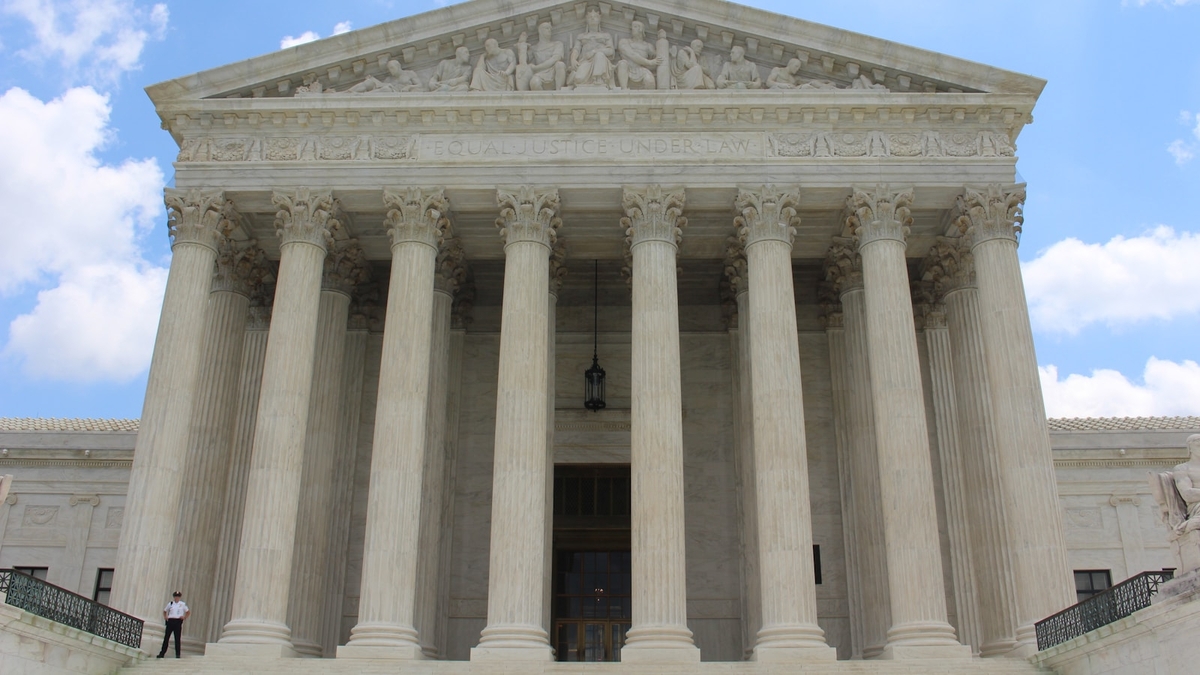
Photo by Claire Anderson on Unsplash
2026-07-06 Supreme Court, NATO, jobs and AI supply chains collide
The weekend’s signal came from three directions at once. The U.S. Supreme Court set off a new immigration fight, Turkey tightened control before a NATO summit, and a weak U.S. jobs report strengthened the case for slower growth and a more cautious Federal Reserve. At the same time, AI hardware plans, memory shortages, and pressure on Google’s mobile business kept supply, pricing, and regulation on the same screen.
Politics
Birthright citizenship ruling

The Supreme Court blocked the White House move and left the next immigration fight open.
The bottom line: The Court stopped the White House move, but the immigration fight is still alive.
What happened: The Supreme Court stepped in on birthright citizenship and pushed the child-citizenship fight back to the front.
Why it matters: It goes straight to the core of immigration policy and will feed more state and federal litigation.
What to watch: Watch the scope of the injunction, new suits, and responses from Congress and state governments.
Birth-tourism crackdown
New restrictions surfaced immediately after the Court decision.
The bottom line: The administration is trying to turn a courtroom loss into tighter entry and visa enforcement.
What happened: The administration signaled a tougher line on birth tourism, shifting the focus to executive action.
Why it matters: The fight spills into screening, visas, and border policy, which can affect travel and family planning.
What to watch: Watch visa guidance, screening changes, and any legal challenge.
Turkey’s NATO leverage

Turkey entered the NATO summit with its leverage on display.
The bottom line: NATO’s agenda now runs through Turkey’s geopolitical leverage.
What happened: Ahead of the NATO summit, Erdogan’s government pushed its bargaining power to the front.
Why it matters: Turkey can shape the language on alliance unity, Ukraine support, and deterrence toward Russia.
What to watch: Watch the joint statement, any new support pledges, and Turkey’s demands.
Turkey tightens control

Pressure on domestic critics rose before the summit.
The bottom line: Before the summit, the government moved first against domestic dissent.
What happened: Detentions of journalists and a comedian hardened the political mood before NATO.
Why it matters: At summit time, outside partners also read the government’s domestic control.
What to watch: Watch for more detentions, protests, and any effect on the summit itself.
E. Jean Carroll payout fight

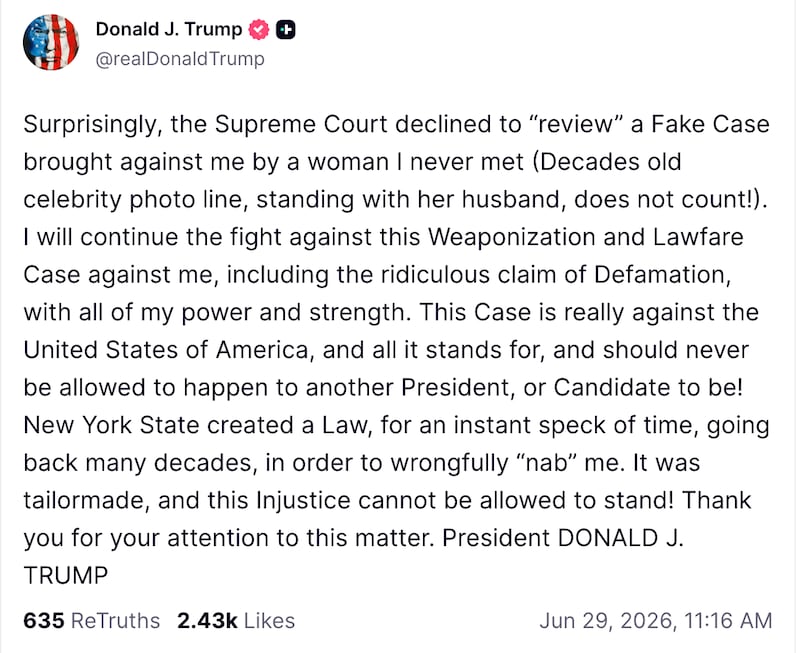
Trump kept trying to delay payment after the Supreme Court declined review.
The bottom line: The fight is now about timing and procedure, not just the underlying verdict.
What happened: Trump kept pressing for delay even after the Supreme Court stayed out.
Why it matters: The case remains both a political liability and a cash-flow issue.
What to watch: Watch the lower-court deadline, payment terms, and any further appeal.
Economy
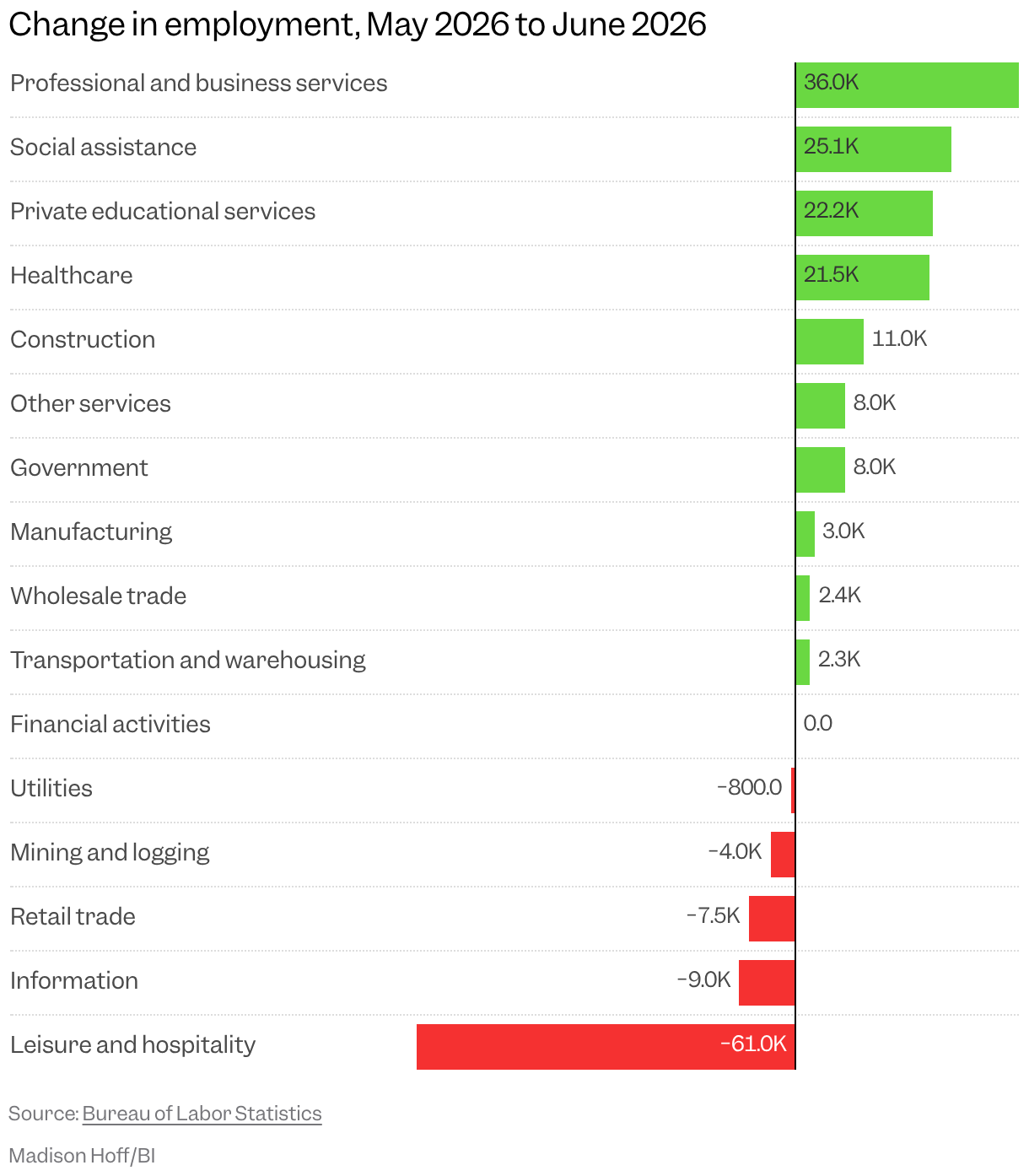
Jobs report slows
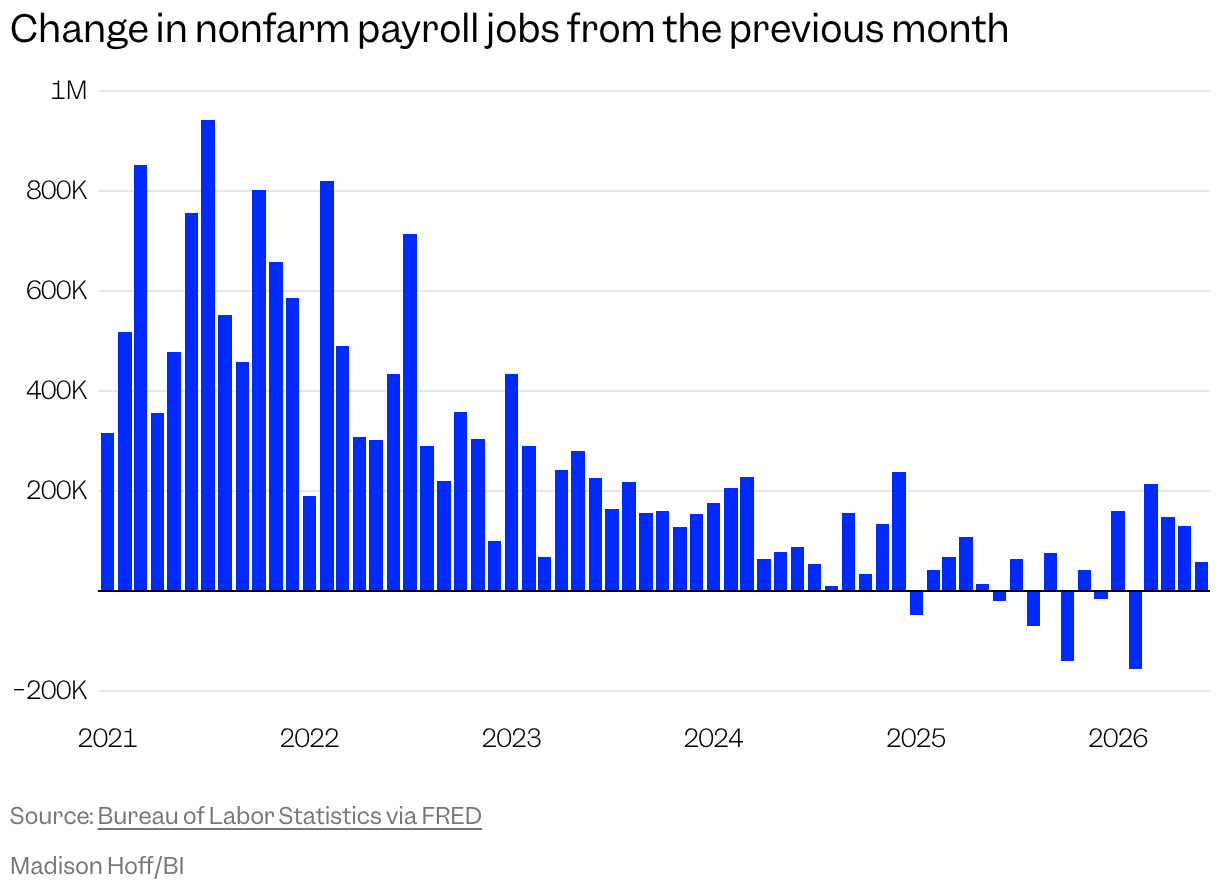
The labor market cooled as job growth came in weak.
The bottom line: Weak hiring moved both growth expectations and rate bets.
What happened: The June payroll print showed weaker momentum and pushed markets to price slower growth.
Why it matters: Jobs drive spending, so the slowdown hits both rates and household demand.
What to watch: Watch revisions, unemployment, and the next inflation print.
Fed hold odds rise
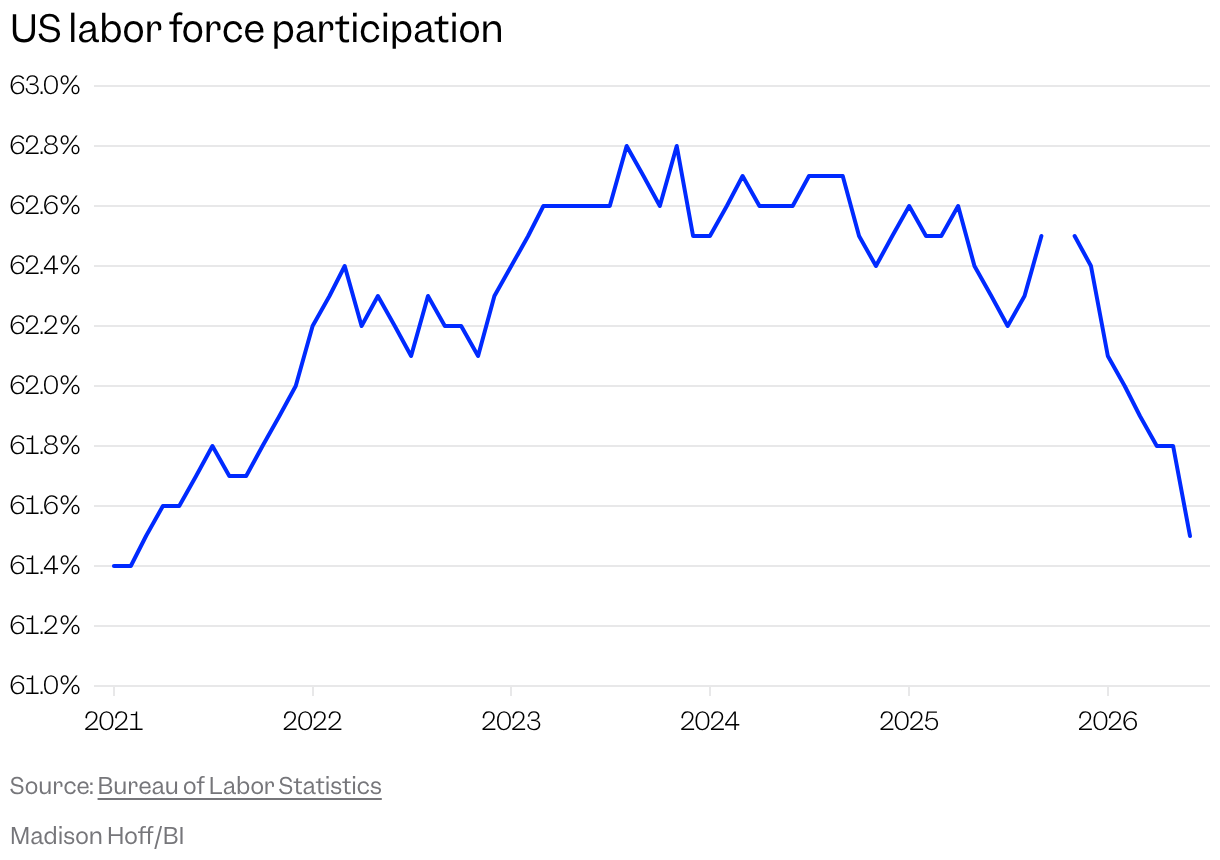
The same jobs data pushed July Fed hold odds higher.
The bottom line: The slower the economy looks, the less reason the Fed has to rush.
What happened: A weak jobs report made a July hold look more likely.
Why it matters: If rates stay put, mortgages, card rates, and corporate funding conditions stay sticky too.
What to watch: Watch Fed speeches and CPI for confirmation of the hold case.
Dollar and yields fall
The weaker labor print pulled the dollar and Treasury yields lower.
The bottom line: Lower yields move FX, bonds, and equities together.
What happened: The weak jobs data pushed the dollar and Treasury yields down, with the yen story still in view.
Why it matters: Lower yields feed through borrowing costs into investment and housing demand.
What to watch: Watch the next inflation print, the yen, and the floor in 10-year yields.
Gas prices stay high

Holiday driving kept average U.S. gas prices elevated.
The bottom line: Holiday driving kept a visible household cost high.
What happened: Ahead of the holiday, gas prices hit their highest level since 2022.
Why it matters: Fuel prices hit consumer sentiment and travel spending quickly.
What to watch: Watch crude moves and the lag into retail prices through the summer.
Tariff ruling remains unsettled
The legal basis for tariffs stayed in flux, leaving import costs uncertain.
The bottom line: Tariffs move business plans through court dates as much as through announcements.
What happened: The tariff ruling left trade policy and import costs unsettled.
Why it matters: Companies cannot lock in pricing, inventory, or contract terms with confidence.
What to watch: Watch appeals, stays, and any new tariff authority the White House leans on.
Technology
OpenAI teases Codex hardware
OpenAI hinted at new Codex hardware ahead of a July 15 event.
The bottom line: OpenAI is pushing beyond models into the hardware and workflow around them.
What happened: A Codex Micro hardware tease surfaced and was read as a developer-facing next step.
Why it matters: AI firms are trying to own not just the model, but the environment it runs in.
What to watch: Watch for specs, pricing, and how the hardware is actually offered.
Microsoft launches Frontier Company
Microsoft launched a framework for enterprise AI deployment and operations.
The bottom line: Enterprise AI is moving from pilots to operating models.
What happened: Microsoft put enterprise support for deployed AI systems under the Frontier Company banner.
Why it matters: Deployment support, monitoring, and accountability are becoming as important as the model itself.
What to watch: Watch how it overlaps with Azure products and who signs up first.
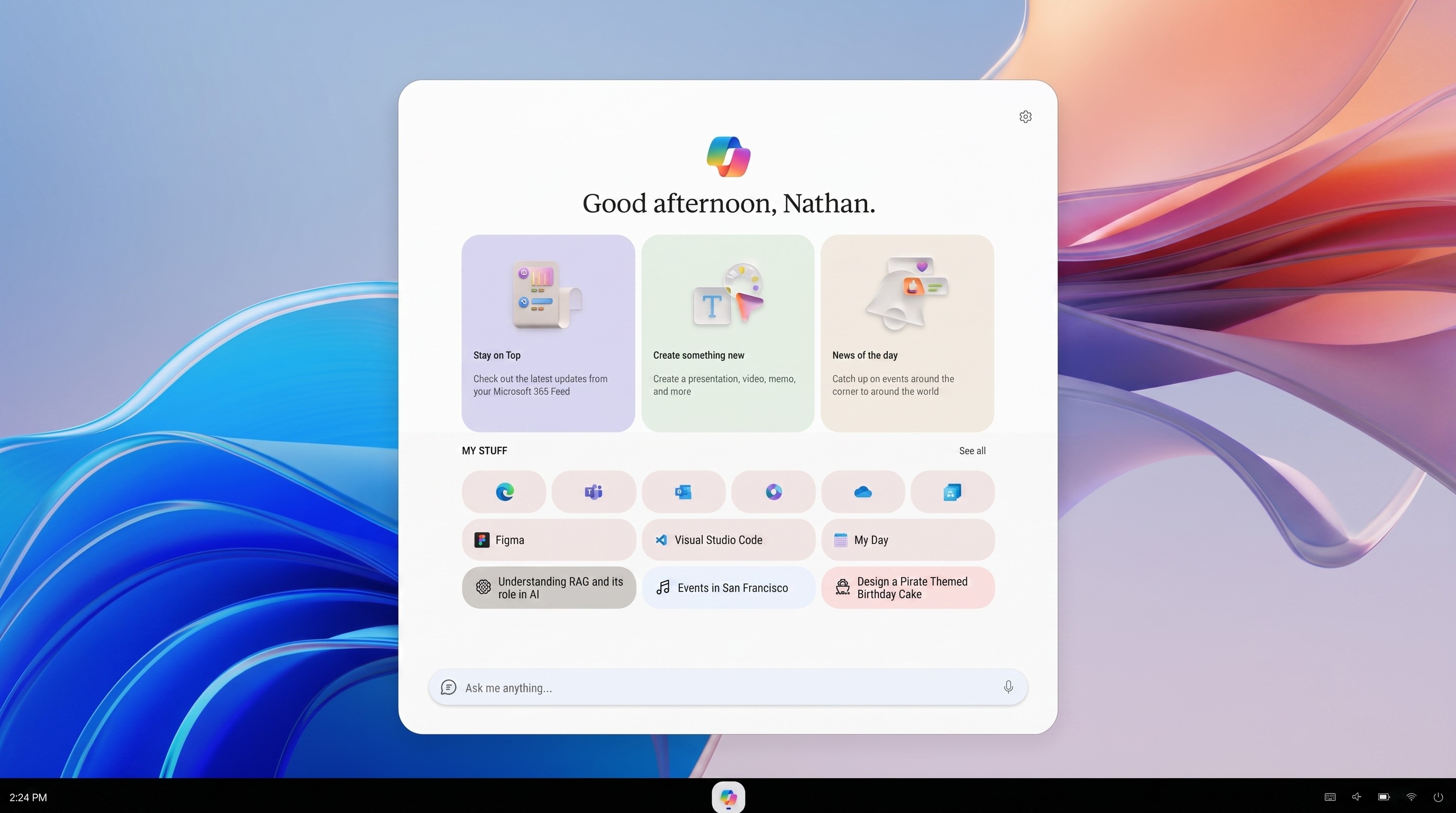
Copilot-first OS leak
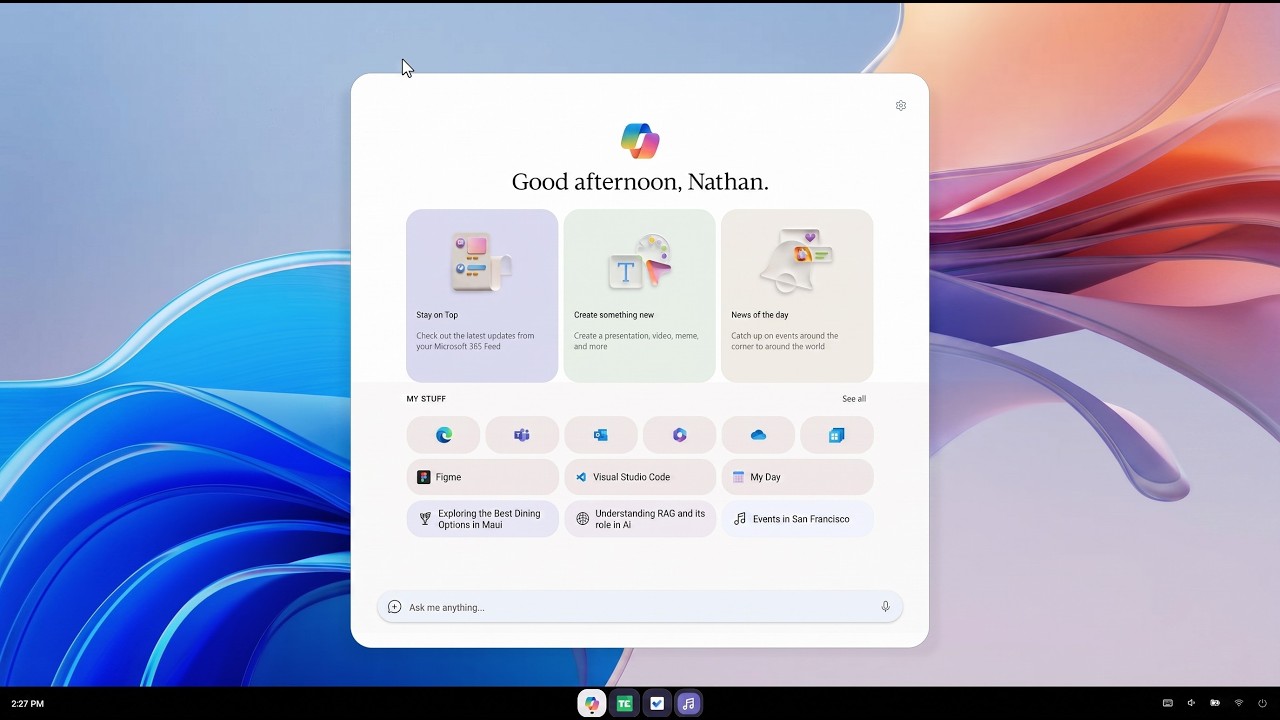
Microsoft explored a Copilot-centered lightweight OS concept.
The bottom line: Microsoft is still testing how far it can rebuild the OS around AI.
What happened: A leaked video showed a lightweight Windows concept built around Copilot and a new desktop UI.
Why it matters: The OS is both the place AI features live and the point where device strategy changes.
What to watch: Watch whether the concept reaches shipping devices or stays an experiment.
Google antitrust pressure continues

The Android-related fine stood, keeping pressure on Google's mobile strategy.
The bottom line: Google is dealing with regulation not just in search, but in Android distribution too.
What happened: An EU court upheld the fine, keeping regulatory pressure on Android in place.
Why it matters: It can spill into app stores, default search, and partner terms.
What to watch: Watch Google’s response and whether other regulators follow.
AI memory shortage deepens
AI demand tightened the memory market even further.
The bottom line: The AI boom is moving DRAM and HBM prices, not just model performance.
What happened: AI data center demand tightened supply and made the shortage feel worse.
Why it matters: It spreads into pricing for PCs, phones, servers, and AI accelerators.
What to watch: Watch supplier price hikes and inventory through 2027.
Cross-cutting read
- Court rulings are acting as the start of the next enforcement round, not the end of the fight.
- A softer labor market is feeding into rate expectations, consumer demand, and import-cost planning.
- AI constraints are showing up in chips, operating systems, and enterprise deployment faster than in model demos.
What to watch next
- Watch for new immigration filings or administrative steps after the Supreme Court ruling.
- Watch the NATO summit text on defense spending, Ukraine, and Russia.
- Watch the July Fed meeting and whether memory prices keep climbing into late summer.
2026-07-06 米最高裁、NATO、雇用とAI供給網が同時進行
週末のニュースは、政策、景気、技術の三つが同時に動いた。米最高裁の移民判断が法廷闘争を広げ、トルコはNATO首脳会議を前に国内統制を強め、米雇用統計は景気減速の見方を押し上げた。同時に、AI向けハードウェア、メモリ不足、検索とモバイルの規制圧力が、年後半の投資と価格に直結する論点として残っている。
政治
出生地主義をめぐる最高裁判断
米最高裁が出生地主義をめぐるホワイトハウスの動きを止め、移民政策の次の争点を残した。
要点: 最高裁はホワイトハウスの動きを止めたが、移民論争そのものはむしろ長引く。
何が起きたか: 米最高裁が出生地主義をめぐる行政判断に歯止めをかけた。裁判所の判断で、子どもの市民権をめぐる争点が再び前面に出た。
なぜ重要か: 移民政策の核心に触れるため、法廷判断でも行政判断でもすぐには収束しない。州や連邦の追加訴訟に直結する。
今後の注視点: 次は差し止めの範囲、追加訴訟、議会や州政府の反応を見る。
出生ツーリズム対策を強める動き
最高裁判断の直後に、出生ツーリズムを狙う追加対策が浮上した。
要点: 裁判の負けを、入国と査証の運用強化で埋めにいく構図だ。
何が起きたか: 政権が出生ツーリズムへの取り締まりを強める構えを示した。最高裁判断で終わらず、行政措置が次の焦点になった。
なぜ重要か: 出生地主義の議論は、入国審査、査証発給、国境運用に波及する。企業や家族の渡航判断にも影響する。
今後の注視点: 査証ガイダンス、入国審査の変更、法的な差し止め申立てを追う。
NATO前夜のトルコ外交
トルコはNATO首脳会議を前に、交渉力の高さを前面に出した。
要点: NATOの議論は、トルコの地政学的な立ち回りを抜きに進まない。
何が起きたか: NATO首脳会議を前に、エルドアン政権が交渉力を強めている。防衛費や対ロシア姿勢の文言が注目点になった。
なぜ重要か: 同盟の結束、ウクライナ支援、ロシア抑止の文言にトルコの意向が入りやすい。
今後の注視点: 共同声明の文言、追加支援の約束、トルコの交換条件を見る。
NATO前に強まる国内締め付け
首脳会議を前に、国内の批判勢力への圧力が強まった。
要点: 国際会議の前に、政権は国内の異論を先に押さえ込んだ。
何が起きたか: 記者やコメディアンの拘束が伝わり、NATO前夜の空気は一段と硬くなった。
なぜ重要か: 同盟外交の場で見えるのは、対外姿勢だけでなく国内統制の強さでもある。
今後の注視点: 追加拘束、抗議行動、会議運営への影響を見る。
E. Jean Carroll支払いを遅らせる攻防
最高裁が審理を見送った後も、支払いを先延ばしにする動きが続いた。
要点: 判決の中身より、支払い時期をずらす手続き戦が続いている。
何が起きたか: トランプ氏が支払い延期を狙う動きを続けた。最高裁が介入を見送っても、争いは終わらなかった。
なぜ重要か: 政治リスクだけでなく、訴訟コストと資金繰りの問題としても残る。
今後の注視点: 下級審の期限、支払い条件、追加上訴の有無を見る。
経済
雇用統計が鈍化を示す
雇用の伸びが弱く、労働市場の勢いが鈍った。
要点: 雇用の弱さが、景気と利下げ期待の両方を動かした。
何が起きたか: 6月の雇用統計は、雇用の勢いが弱いことを示した。市場は景気減速を前提にし始めた。
なぜ重要か: 雇用は消費の土台なので、失速は金利見通しだけでなく個人支出にも響く。
今後の注視点: 改定値、失業率、次の物価指標で弱さが一時的かどうかを見る。
7月FOMC据え置き観測が強まる
同じ雇用統計を受けて、7月FOMCの据え置き観測が強まった。
要点: 景気が鈍るほど、FRBは急いで動きにくくなる。
何が起きたか: 弱い雇用統計を受け、7月会合での据え置き見方が強まった。
なぜ重要か: 金利が動かなければ、住宅ローン、カード金利、企業の資金調達条件も変わりにくい。
今後の注視点: FRB高官の発言とCPIを見て、据え置きが本線かを確認する。
ドルと国債利回りが下落
雇用統計の弱さを受けて、ドルと米国債利回りが下がった。
要点: 金利低下は、為替、債券、株式の全部を同時に揺らす。
何が起きたか: 雇用統計の弱さで、ドルと国債利回りが下落した。円相場も次の介入観測と重なった。
なぜ重要か: 利回り低下は借入コストを通じて企業投資と住宅需要に波及する。
今後の注視点: 次の物価指標と円の水準、米10年債利回りの底を追う。
4日連休前にガソリン高止まり
連休前の給油需要で、全米平均ガソリン価格が高止まりした。
要点: 連休のドライブ需要が、家計の見えるコストを押し上げた。
何が起きたか: 連休前の週に、ガソリン価格が2022年以来の高水準に達した。
なぜ重要か: 燃料価格は、消費者心理と旅行支出にすぐ効く。
今後の注視点: 原油市況と小売価格の遅れを見て、夏の家計負担を測る。
関税の司法戦が続く
関税の法的基盤が揺れ、輸入コストの見通しが不透明なまま残った。
要点: 関税は発表よりも、裁判と期限で企業計画を揺らす。
何が起きたか: トランプ関税をめぐる司法判断で、輸入コストと通商政策の先行きが読みにくいままになった。
なぜ重要か: 企業は価格転嫁、在庫、契約条件をすぐには決めにくい。
今後の注視点: 控訴、執行停止の有無、別の関税権限の使い方を見る。
技術
OpenAIがCodex系ハードを示唆
OpenAIが7月15日のイベントに向けて、Codex系の新ハードウェアをにおわせた。
要点: OpenAIはモデルだけでなく、開発体験の器も押しに来ている。
何が起きたか: Codex Microとみられるハードウェアの示唆が出た。開発者向けの次の一手として受け止められた。
なぜ重要か: AI企業はソフトの改善だけでなく、実行環境ごと囲い込もうとしている。
今後の注視点: 仕様、価格、提供形態がイベントで出るかを見る。
Microsoft Frontier Companyを始動
Microsoftが企業向けのAI導入と運用を支える枠組みを打ち出した。
要点: 企業AIはPoCから運用設計の段階に入った。
何が起きたか: MicrosoftがFrontier Companyを立ち上げ、AIを現場に入れる企業支援を前面に出した。
なぜ重要か: 導入支援、監視、運用責任が、AIソフトそのものと同じくらい重要になる。
今後の注視点: 既存のAzure製品との役割分担と、最初の採用企業を見る。
Copilot中心OSの試作が漏れる
MicrosoftがCopilotを軸にした軽量OS案を試したことが示された。
要点: MicrosoftはOSの入口からAIを組み直す余地を探っている。
何が起きたか: リーク動画で、Copilotを中心にした軽量Windows案が確認された。デスクトップのUI再設計が見えてきた。
なぜ重要か: OSはAI機能の置き場であると同時に、デバイス戦略の分岐点でもある。
今後の注視点: 実機投入の有無と、既存Windowsへの反映を追う。
Googleの独禁法圧力が続く
Androidの抱き合わせをめぐる罰金が維持され、Googleのモバイル戦略に圧力が残った。
要点: Googleは検索だけでなく、Androidの配り方でも規制と向き合う。
何が起きたか: EUの裁判所がGoogleの罰金を支持し、Androidをめぐる規制圧力は続いた。
なぜ重要か: アプリストア、既定検索、提携条件に波及し、収益配分を揺らす。
今後の注視点: Googleの対応策と、他の規制当局への波及を見る。
AI向けメモリ不足が深まる
AI向け需要が、メモリ市場の供給逼迫をさらに強めた。
要点: AIブームはモデル性能だけでなく、DRAMとHBMの価格にも効く。
何が起きたか: AIデータセンターの需要がメモリ供給を圧迫し、短期的な不足感が強まった。
なぜ重要か: PC、スマホ、サーバー、AIアクセラレータの仕入れ値に広く波及する。
今後の注視点: 主要サプライヤーの値上げと、2027年までの在庫水準を見る。
横断的な見立て
- 司法判断が政策の終点ではなく、次の執行と訴訟の起点になっている。
- 労働市場の弱さは金利だけでなく、消費と輸入コストの見通しにも波及している。
- AI関連の供給制約はソフトの進展より遅れて現れ、価格と調達で効いてくる。
追跡すべき未確定事項
- 米最高裁判断の後、移民と出生地主義をめぐる追加の訴訟や行政措置が出るか。
- NATO首脳会議で防衛費、対ロシア、対ウクライナの文言がどこまで具体化するか。
- 弱い雇用統計を受けた米連邦準備制度理事会の7月会合と、メモリ価格の上昇がどこまで広がるか。