Published
-
2026-07-05 Supreme Court, Middle East diplomacy, softer jobs, and AI churn
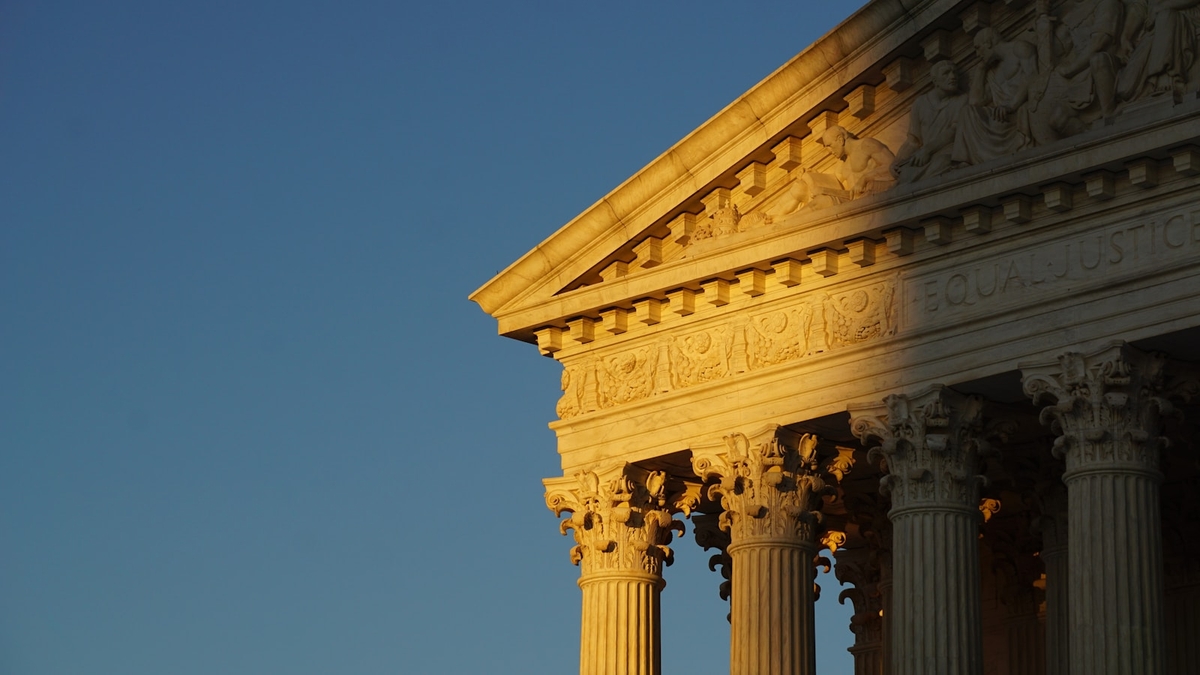
Photo by Ian Hutchinson on Unsplash
2026-07-05 Supreme Court, Middle East diplomacy, softer jobs, and AI churn
Politics was shaped by a Supreme Court ruling, elections and referendums in Europe and North Africa, and power-transition signals in Iran. Economics was driven by softer hiring, fuel costs, inflation, and rate expectations. Technology focused on AI competition and the practical effects of Windows and Chrome update cycles.
Politics
Supreme Court cuts party-spending limits
A breaking update on the Supreme Court ruling that resets part of the campaign-finance debate.
The bottom line: The ruling loosens a piece of the campaign-finance framework and changes how parties plan for the next cycle.
What happened: The Court issued a decision on party spending, putting contribution rules and coordinated spending back in focus.
Why it matters: Money flows shape candidate recruitment and ad strategy, so even a narrow legal change can alter campaign planning.
What to watch: Watch how party committees and super PACs adjust their spending plans.
Slovakia votes on Fico perks
Coverage of a referendum that puts Fico-linked perks and anti-graft institutions on the ballot.
The bottom line: The domestic fight has narrowed to how Slovakia handles anti-graft rules and the concentration of power.
What happened: Slovakia voted on questions tied to Fico-era perks and the shape of anti-corruption institutions.
Why it matters: The result affects not just governing capacity but also Slovakia’s standing inside the EU.
What to watch: Watch whether the result feeds into coalition management or institutional reform.
Algeria vote shadowed by living costs
A parliamentary-vote report that treats turnout and living costs as the real political tests.
The bottom line: In a high-cost environment, turnout and protest energy matter as much as the seat count.
What happened: Algeria held a parliamentary vote while living costs and weak participation remained central concerns.
Why it matters: The result helps show whether economic frustration is turning into broader institutional distrust.
What to watch: Watch coalition math, but also protest levels and abstention.
Khamenei funeral signals a power shift
Coverage of the Tehran funeral that offers clues on Iran’s succession politics and external posture.
The bottom line: The funeral is functioning less as mourning and more as a signal of the next power structure.
What happened: A large funeral procession in Tehran highlighted the succession questions and internal dynamics around Iran’s leadership.
Why it matters: The next leadership line will shape nuclear talks, regional conflict, and sanctions policy.
What to watch: Watch for succession cues and how security organs shape the negotiation line.
Trump marks 250 years with a partisan tone
A report on a 250th-anniversary event that mixed celebration with partisan messaging.
The bottom line: Even a national anniversary event remains folded into campaign politics and polarization.
What happened: Trump launched the 250th-anniversary celebrations while leaning into a partisan message.
Why it matters: It shows how quickly 2026 domestic politics turns national pageantry into campaign framing.
What to watch: Watch whether the anniversary campaign becomes a tool for base mobilization.
Economy
U.S. hiring slows and markets reprice the Fed
A market-facing jobs-report update that feeds directly into rate expectations.
The bottom line: When hiring weakens, the bigger question becomes economic stamina, not just the next cut.
What happened: June hiring cooled, suggesting the labor market lost some momentum.
Why it matters: Wages, consumption, housing, and credit all lean on the labor outlook.
What to watch: Watch unemployment and wage growth to tell slowdown from deterioration.
Trump accounts launch with Treasury seed money
A report on the rollout of child-focused investment accounts that changes the household-finance picture.
The bottom line: Even a small program can shift long-term saving and investing habits.
What happened: The Treasury-backed Trump accounts program started rolling out to eligible families.
Why it matters: It matters for early wealth building and for the politics of family finance.
What to watch: Watch adoption rates and whether families add their own contributions.
Gas prices stay high into July 4 travel
A holiday-travel piece that shows fuel costs still bite households and politicians.
The bottom line: High holiday fuel costs affect both household budgets and inflation sentiment.
What happened: Gas prices were reported at their highest level since 2022 ahead of the July 4 holiday.
Why it matters: Fuel costs shape travel demand and near-term inflation expectations.
What to watch: Watch whether retail prices follow crude lower or stay sticky.
Oil prices edge up as Hormuz talks stabilize supply
A commodities update linking Middle East diplomacy to crude-supply expectations.
The bottom line: Even a hint of easing tension in the Middle East can quickly reprice oil supply risk.
What happened: Oil prices moved on easing tensions around Hormuz and expectations of firmer supply.
Why it matters: Crude feeds directly into gasoline, freight costs, and inflation expectations.
What to watch: Watch diplomatic progress and how seasonal demand affects inventories.
Warsh keeps the Fed focused on inflation
Coverage of a Sintra appearance that keeps inflation at the center of the Fed debate.
The bottom line: The priority remains avoiding a renewed inflation flare-up rather than rushing cuts.
What happened: Warsh used a Europe appearance to emphasize inflation control as the Fed’s core task.
Why it matters: The rate path will be set by sticky prices as much as by weak hiring.
What to watch: Watch whether the next CPI and labor prints support a more dovish read.
Technology
Anthropic restores Fable 5 access
A report tying AI model availability to export-control policy.
The bottom line: AI competition is now about distribution as much as raw capability.
What happened: Anthropic restored access to Fable 5 after policy conditions changed.
Why it matters: Availability shifts change enterprise adoption plans and the competitive map.
What to watch: Watch the rollout scope, usage limits, and enterprise terms.
Meta says its next model catches OpenAI
An internal-comparison story that shows how hot the model race remains.
The bottom line: The model race is now driven by internal benchmarks almost as much as public launches.
What happened: Meta signaled an internal view that its next model is closing the gap with OpenAI’s flagship.
Why it matters: Foundation-model strength increasingly determines the whole product stack.
What to watch: Watch for an external release and whether the claimed gap closes in real use.
Windows 11 July update adds recovery and polish
A rundown of the July update that focuses on recovery and operational tweaks.
The bottom line: This is more about recovery and usability than a headline-grabbing feature drop.
What happened: The July Windows 11 update is bringing a cluster of recovery and settings improvements.
Why it matters: OS updates matter because they reduce downtime and operational friction.
What to watch: Watch enterprise rollout issues and any edge cases on older hardware.
Secure Boot certificate expiry threatens older PCs
An explainer on how expiring certificates can push older PCs into a weaker security posture.
The bottom line: Certificate expiry is easy to miss but can quietly weaken boot-time protection.
What happened: Microsoft warned that expiring Secure Boot certificates could degrade security on older systems.
Why it matters: It affects enterprise update planning and whether consumers can safely keep older PCs.
What to watch: Watch for firmware updates and any model-specific impact list.
Chrome will end Monterey support in July
A browser-support story that affects update decisions for older Macs.
The bottom line: Browser support deadlines expose how far behind old OS versions really are.
What happened: Chrome was reported to be ending support for macOS Monterey in July.
Why it matters: Stopping updates piles up security debt faster than it creates feature gaps.
What to watch: Watch what browser and OS path Monterey users choose next.
Cross-cutting read
- Judicial, electoral, and diplomatic changes are moving policy assumptions faster than markets can digest them.
- Slower hiring and sticky fuel costs keep pressure on both the Fed and household budgets.
- AI competition is now about availability, update cadence, and support windows, not just benchmark claims.
What to watch next
- Whether the Slovakia, Algeria, and Iran stories turn into concrete policy shifts or stay at the level of signaling.
- How the July data flow changes the odds of rate cuts later in the year.
- Whether Anthropic, Meta, Microsoft, and Google turn these announcements into real user-facing changes.
2026-07-05 米最高裁、中東外交、雇用減速とAI更新が同時進行
政治では米最高裁の判断、欧州の投票、中東の権力移行が重なり、経済では雇用の減速、物価と燃料コスト、金利見通しが市場の軸になった。技術ではAnthropicとMetaのAI競争に加え、WindowsとChromeの更新・終了告知が運用面の注目点になっている。
政治
最高裁、政党支出の規制を縮小
政党の支出ルールをめぐる最高裁判断を伝える速報で、選挙資金の前提に触れる。
要点: 政党と候補者の資金ルールが少し緩み、来季の選挙戦の設計に影響が出る。
何が起きたか: 最高裁が政党支出をめぐる争点で判断を示し、選挙資金の上限や協調支出の扱いが再び注目された。
なぜ重要か: 資金の流れは候補者選びや広告戦略に直結するため、少しの法解釈でも実務の設計が変わる。
今後の注視点: 党本部とスーパーPACが、どこまで支出設計を組み替えるかを見る。
スロバキア、Fico優遇の是非を投票
Fico政権をめぐる優遇や汚職対策の扱いが争点になった投票を報じる。
要点: 国内政治の論点が、汚職対策と権力の集中をどう扱うかに収束している。
何が起きたか: スロバキアでは、Fico氏に近い制度設計や汚職対策のあり方をめぐる投票が行われた。
なぜ重要か: 政権与党の運営能力だけでなく、EU内での政治的信頼にも響くテーマだからだ。
今後の注視点: 結果が議会運営や次の制度改革にどう反映されるかを確認したい。
アルジェリア総選挙、生活費高騰が焦点
議席争いだけでなく、物価や参加率が政権への信認を左右する総選挙の報道。
要点: 物価の圧力が強い国では、選挙結果より投票率と抗議の広がりが重要になる。
何が起きたか: アルジェリアで議会選挙が行われ、生活費の上昇と政治参加の薄さが同時に見られた。
なぜ重要か: 経済不満が制度への不信に変わるかどうかを測る材料になる。
今後の注視点: 連立交渉や与党の議席維持だけでなく、抗議や棄権の広がりも見る。
カーネイ葬儀が権力移行を映す
テヘランでの葬儀報道を通じて、イランの権力移行と対外姿勢の手がかりを拾う。
要点: 葬儀は追悼ではなく、次の権力構造を示す政治イベントになっている。
何が起きたか: テヘランでは大規模な葬列が報じられ、後継や体制内の力学が読み取れる状況になった。
なぜ重要か: 核交渉、地域紛争、制裁のいずれにも、次の指導部の姿勢が波及する。
今後の注視点: 後継候補や治安機関の動きが、交渉スタンスにどう結び付くか。
トランプ氏、建国250年式典で対立色
建国250年の記念行事をめぐり、祝賀と対立が同居する政治的演出を報じる。
要点: 記念日イベントでも、選挙モードと対立構図は消えていない。
何が起きたか: トランプ氏は建国250年の記念行事を開幕しつつ、政治的な対立軸を前面に出した。
なぜ重要か: 2026年後半の国内政治が、祝賀行事よりも選挙動員の文脈で語られることを示している。
今後の注視点: 記念イベントが今後の支持層固めや対立の拡大に使われるかを見る。
経済
米雇用は減速、利下げ観測が再調整
雇用の減速を市場の文脈で整理した速報で、金利見通しの修正につながる。
要点: 雇用が鈍ると、次の利下げ時期より景気の持久力が先に問われる。
何が起きたか: 6月の雇用は伸びが鈍く、労働市場の勢いが少し弱まった。
なぜ重要か: 賃金、消費、住宅、金融の前提が少しずつ変わる。
今後の注視点: 失業率と賃金が、鈍化なのか悪化なのかを見分ける鍵になる。
Trump accountsが始動、家計投資の新経路に
子ども向けの投資口座制度が動き出したことを伝え、家計金融の新しい入口を示す。
要点: 小口の制度でも、長期貯蓄と投資の習慣を変える入口になる。
何が起きたか: 財務省の種銭を伴うTrump accounts制度が始まり、対象世帯の利用がスタートした。
なぜ重要か: 教育資金や資産形成の初期設計に影響し、政治と家計の両面で注目される。
今後の注視点: どの世帯が使い始めるか、追加拠出がどこまで伸びるかを見る。
7月4日向けガソリン高、家計を圧迫
休暇シーズンの燃料コスト高を伝える記事で、消費者心理と政治の両方に効く。
要点: 休暇前の燃料高は、家計とインフレ感覚を同時に刺激する。
何が起きたか: 7月4日連休を前に、ガソリン価格が2022年以来の高水準と伝えられた。
なぜ重要か: 燃料は旅行需要だけでなく、物価期待の足元を左右する。
今後の注視点: 原油安で小売価格が追随するか、それとも遅れて高止まりするか。
原油はHormuz交渉で小幅上昇
中東情勢と供給見通しが原油相場にどう反映されたかを示すマーケット記事。
要点: 中東の緊張が和らぐだけで、原油はすぐに供給懸念を織り込み直す。
何が起きたか: 原油相場は、Hormuz周辺の緊張緩和や供給増の見方を受けて動いた。
なぜ重要か: 原油はガソリン、輸送コスト、インフレ期待に直接波及する。
今後の注視点: 中東交渉の進展と、夏場の需要で在庫がどう減るかを見る。
ワーシュFRB議長、インフレ警戒を維持
シントラでの発言を通じて、Fedの優先順位が依然として物価安定にあることを伝える。
要点: 利下げを急ぐより、物価の再加速を避ける姿勢がまだ強い。
何が起きたか: ワーシュ氏は欧州での発言で、インフレ抑制をFedの中心課題として強調した。
なぜ重要か: 金利の先行きは、単に雇用の弱さだけでなく、物価の粘着性でも決まる。
今後の注視点: 次のCPIと雇用が、ハト派寄りの解釈を支えるかどうか。
技術
AnthropicのFable 5が再び利用可能に
輸出規制の解除を受けてモデル提供が戻ったという、AI配備と政策の接点を示す記事。
要点: AIは性能競争だけでなく、どこで配れるかが重要になっている。
何が起きたか: AnthropicはFable 5の提供を再開し、政策変更が製品 доступに直結した。
なぜ重要か: モデルの入手性が変わると、企業の採用計画と競争環境も変わる。
今後の注視点: 提供範囲、利用制限、企業向け条件がどう整うかを見る。
Metaの次期AIがGPT-5.5に並ぶという主張
Meta内部の比較を伝える記事で、モデル性能競争の温度感を示す。
要点: モデル競争は、発売済み製品の比較より先に社内指標の更新が話題になる段階にある。
何が起きたか: Metaは次期AIモデルがOpenAIの旗艦に追いついたとみる内部評価を示した。
なぜ重要か: フロントエンド機能だけでなく、基盤モデルの差が製品群全体を左右する。
今後の注視点: 外部公開があるのか、また実利用で差が埋まるのかを見る。
Windows 11の7月更新は回復機能が目玉
7月更新の新機能を整理し、運用と回復の観点から何が変わるかを示す。
要点: 大型の新機能というより、復旧と細かな使い勝手の更新が中心だ。
何が起きたか: Windows 11の7月更新で、回復や設定まわりの改善がまとまって入ると報じられた。
なぜ重要か: OS更新は機能追加よりも、運用停止時間の短縮に効く。
今後の注視点: 企業配布で不具合が出ないか、旧機種の影響がどうかを見る。
Secure Boot証明書の期限切れが旧PCを直撃
証明書期限の到来が旧世代PCのセキュリティ状態に影響する点を解説する。
要点: 期限切れは見落としやすいが、放置すると起動時の保護が弱まる。
何が起きたか: MicrosoftがSecure Boot証明書の期限切れと、旧機種でのセキュリティ低下を警告した。
なぜ重要か: 企業の更新計画と、個人のPC延命判断に直結する。
今後の注視点: BIOS/UEFI更新が配られるか、機種別の影響範囲がどう出るかを見る。
Chrome、macOS Montereyのサポートを終了へ
古いmacOSの切り捨てが、ブラウザ更新と端末の買い替え判断にどう響くかを示す。
要点: ブラウザのサポート終了は、OS更新の遅れを一気に顕在化させる。
何が起きたか: Google ChromeはmacOS Montereyのサポートを7月で打ち切る方針と報じられた。
なぜ重要か: 更新を止めると、機能不足より先にセキュリティ面の負債が積み上がる。
今後の注視点: 対象外になるMacの利用者が、どのブラウザとOSに移るかを見る。
横断的な見立て
- 司法・選挙・外交の変化が、株式やエネルギーより先に政策の前提を動かしている。
- 雇用とインフレの同時減速感が、Fedだけでなく家計のガソリン代や節約行動にも波及している。
- AIモデル競争は性能比較だけでなく、提供可否、更新通知、サポート終了といった運用判断に移っている。
追跡すべき未確定事項
- スロバキア、アルジェリア、イランで投票・葬儀・権力移行が次の政策判断にどうつながるか。
- 7月の雇用と物価データが、年後半の利下げ観測をどこまで変えるか。
- Anthropic、Meta、Microsoft、Googleの更新が実利用にどう反映されるか。