Published
-
2026-06-21 Middle East tension and AI capital keep markets and politics on edge

2026-06-21 Middle East tension and AI capital keep markets and politics on edge
The day’s signal is simple: Middle East tension is pushing on oil and rate expectations, Washington is adding more pressure through personnel and rule changes, and AI competition is moving on three fronts at once: safety design, talent moves, and financing. No single story explains the tape, but energy, housing, and compute are now linked more tightly than they were a week ago.
Politics
Israel-Hezbollah ceasefire rattles US-Iran talks

A June 19 roundup that tracks the ceasefire and the pressure it puts on US-Iran diplomacy.
The bottom line: Fresh clashes in Lebanon undercut the diplomatic assumptions behind the US-Iran track.
What happened: Israel and Hezbollah reaffirmed a ceasefire after heavy exchanges, while US-Iran talks lost momentum.
Why it matters: A local flare-up is now shaping both nuclear diplomacy and shipping risk.
What to watch: Watch for a reset in Swiss talks and for signs that the Lebanon ceasefire can hold.
Hormuz closure threats jolt energy markets again

A June 20 report on the closure declaration and the pushback that ships are still moving.
The bottom line: Even disputed closure claims can move oil prices and insurance costs.
What happened: The IRGC said the Strait of Hormuz was closed, but US Central Command said commercial traffic continued.
Why it matters: Because the strait is a key oil chokepoint, fear alone can move prices and insurance.
What to watch: Watch actual transit volume, marine insurance, and OPEC’s reaction.
Trump unveils Qatar-built Air Force One plan
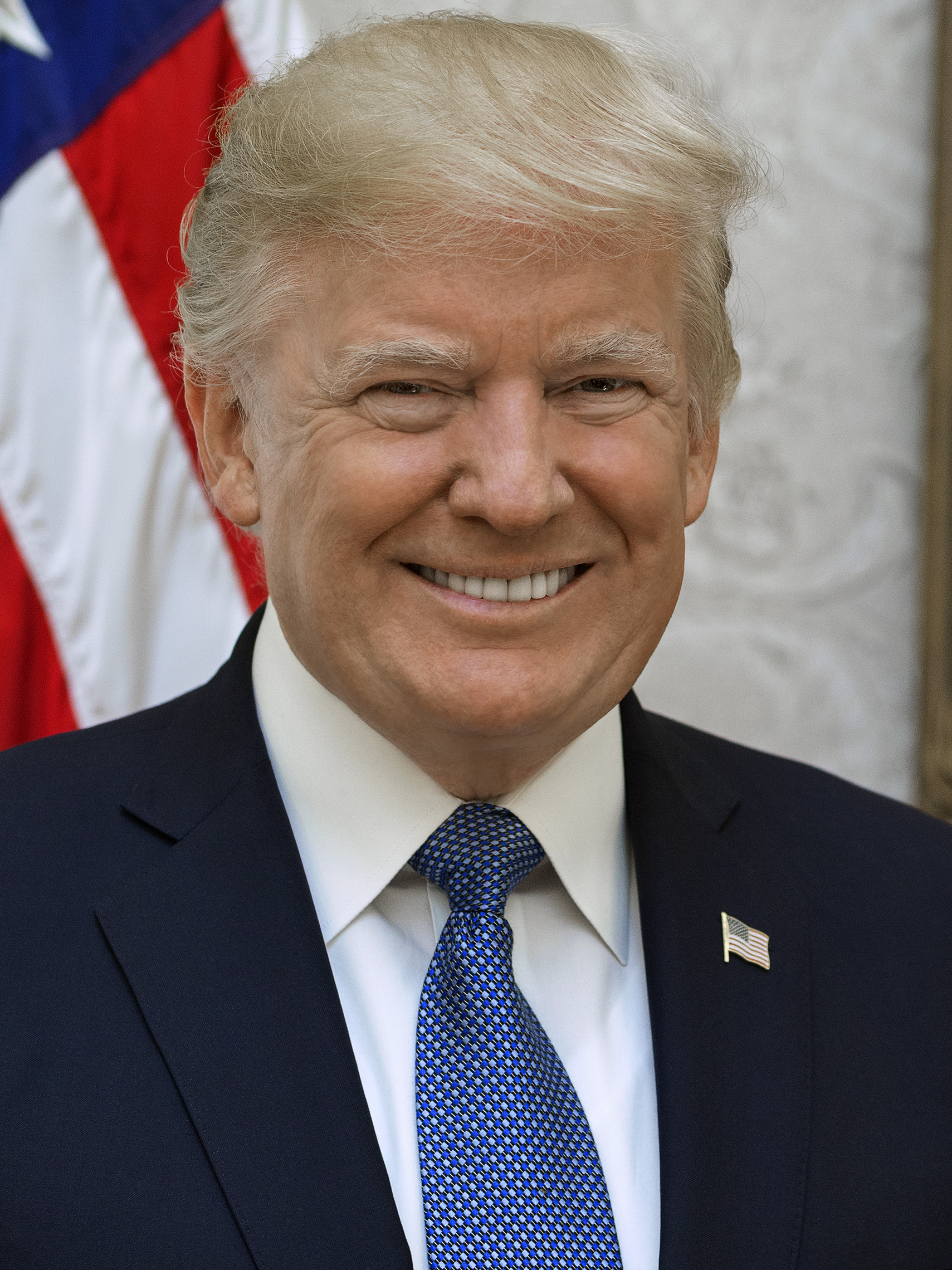
A report on the new presidential aircraft plan and the gift-and-ethics questions around it.
The bottom line: The aircraft overhaul raised both ethics and public-asset questions at once.
What happened: Trump unveiled a plan to turn a Qatar-owned 747 into a new Air Force One.
Why it matters: The combination of expensive retrofitting and a foreign gift triggers ethics and procurement scrutiny.
What to watch: Watch how Congress and oversight agencies handle the gift rules and retrofit costs.
Bill Pulte takes over as acting DNI

A June 20 administration roundup that reports the unusual personnel move.
The bottom line: The intelligence portfolio took on more political weight with a housing-finance chief moved into the role.
What happened: Trump named Bill Pulte acting DNI and cut short Tulsi Gabbard’s tenure.
Why it matters: Fast turnover at the top of the intelligence community can pull spy work closer to domestic politics.
What to watch: Watch who gets the permanent job and whether the Senate gets a vote.
Voting-rights pressure spreads across agencies

A June 16 report that ties together Justice Department, postal, and FBI moves.
The bottom line: Federal pressure is colliding directly with state election systems.
What happened: Justice Department litigation, postal changes, and FBI activity have triggered pushback from several states.
Why it matters: Ahead of the 2026 midterms, access to the ballot is becoming the issue itself.
What to watch: Watch the injunction fights and the clash between state law and federal orders.
Economy
The Fed holds steady and leaves room to hike
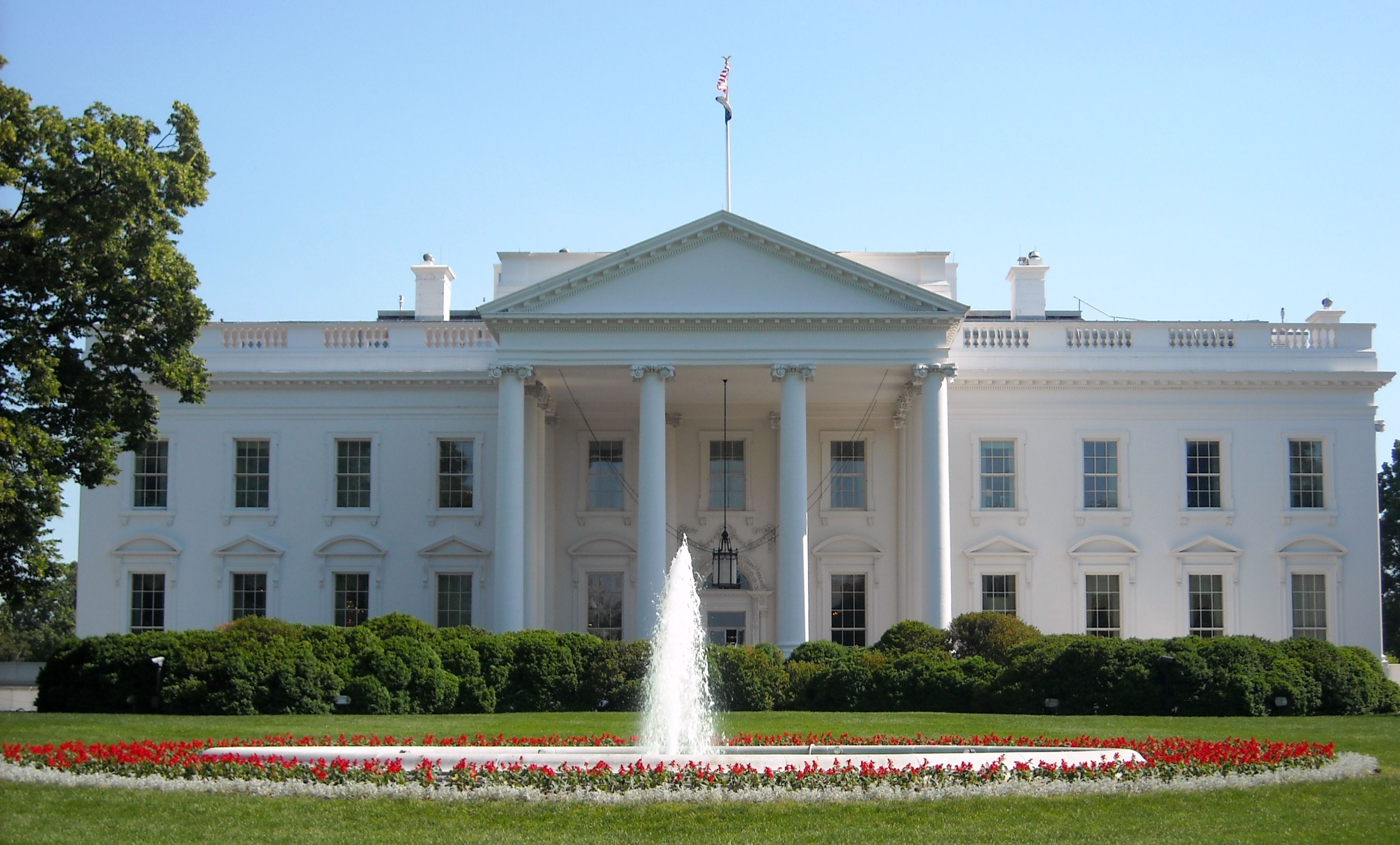
A June 18 financial report that captures the Fed’s inflation caution.
The bottom line: Markets wanted cuts; the Fed kept inflation risk front and center.
What happened: The Fed left rates unchanged and left the door open to another hike this year.
Why it matters: That keeps mortgages, corporate funding, and equity valuations under pressure.
What to watch: Watch inflation and labor data before the next meeting.
Mortgage rates stay stuck in the 6% range

A June 18 market note on mortgage rates and housing affordability.
The bottom line: Even a small rate change still shifts the total cost for buyers.
What happened: The 30-year fixed slipped to around 6.51%, but housing remains expensive.
Why it matters: A steady Fed and geopolitical risk keep the housing recovery muted.
What to watch: Watch this week’s rate level and refinancing demand.
A hot May jobs report pushes cuts further out

A market explainer on May job growth and an unchanged unemployment rate.
The bottom line: Labor-market strength kept the Fed focused on inflation, not cuts.
What happened: May payroll growth beat expectations and the unemployment rate held steady.
Why it matters: If wages and spending hold, rate cuts stay delayed.
What to watch: Watch the June jobs report and wage growth.
EU lawmakers ratify a US tariff deal

A June 19 international economy report on the US-EU tariff reset.
The bottom line: The deal is containment, not a final settlement.
What happened: The European Parliament approved the tariff arrangement with the Trump administration.
Why it matters: Companies are now pricing the next political shock, not just the current tariff rate.
What to watch: Watch the year-end review clause and the treatment of steel and aluminum.
Oil-price panic eases and fuel costs cool

A June 21 report showing fuel prices easing even with oil-risk headlines still active.
The bottom line: Even with Hormuz risk, the fuel market is less tight than before.
What happened: Australian petrol prices fell below pre-war levels.
Why it matters: Energy prices feed directly into inflation expectations and household budgets.
What to watch: Watch whether shipping and refining capacity can absorb fresh supply shocks.
Technology
Google DeepMind moves up its AI control plan

An Axios June 20 piece on controls for more autonomous AI agents.
The bottom line: The more autonomous AI gets, the more its safety stack starts to resemble cybersecurity.
What happened: DeepMind published an AI Control Roadmap that argues for monitoring and layered defenses.
Why it matters: In the agent era, capability gains and control design have to move together.
What to watch: Watch how far the monitoring layers actually get deployed.
Export controls on Anthropic intensify the AI safety fight

An FT report linking safety-first messaging with the export-control debate.
The bottom line: Tighter controls now test a company’s policy strategy as much as its model quality.
What happened: The FT reported that Anthropic’s safety stance helped trigger a ban on foreign access to its latest model.
Why it matters: AI safety arguments now shape both national security and market access.
What to watch: Watch whether the rules spread to other AI vendors.
John Jumper leaves DeepMind for Anthropic

A June 20 report that the AlphaFold pioneer is moving to Anthropic.
The bottom line: The move shows AI competition is now as much about talent as model performance.
What happened: John Jumper, a central AlphaFold figure, was reported to be leaving DeepMind for Anthropic.
Why it matters: Moves by top researchers change both research priorities and company culture.
What to watch: Watch Google’s response and whether Anthropic keeps hiring.
AI CEOs get summit-level treatment at the G7

A report on OpenAI, DeepMind, and Anthropic CEOs moving into the policy center of gravity.
The bottom line: AI companies are no longer outside the policy table; they are part of it.
What happened: At the G7 summit, CEOs from OpenAI, DeepMind, and Anthropic were treated like summit principals.
Why it matters: AI regulation is now both industrial policy and diplomacy.
What to watch: Watch who gets to set the safety baseline.
Nvidia’s $20B bond sale shows AI capex keeps growing

A June 20 market report on AI spending spilling into the bond market.
The bottom line: The AI boom is now reaching long-dated debt markets, not just R&D budgets.
What happened: Nvidia was reported to be raising $20 billion through a major bond sale.
Why it matters: The firms that secure compute and supply chains first will shape the next AI cycle.
What to watch: Watch for the next wave of financing and capex plans.
Cross-cutting read
- Ceasefire risk and Strait of Hormuz fears are moving oil and inflation expectations together.
- A steady Fed does not make mortgages or corporate funding easier right away.
- AI competition now runs through safety, recruiting, and bond markets at the same time.
What to watch next
- Whether US-Iran talks reset and whether the Lebanon ceasefire holds.
- How the next inflation read and Fed meeting shift rate expectations.
- Whether DeepMind, Anthropic, and Nvidia trigger another wave of AI rules and financing moves.
2026-06-21 中東緊張とAI投資が市場と米政権を揺らす
今週のトーンは、中東の緊張が原油と金利見通しを押し、米政権の人事や制度変更が政治不信を広げる一方、AIでは安全設計、人材移動、資金調達が同じ速度で進んでいることだ。市場はまだひとつの材料では動かないが、エネルギー、住宅、計算資源の三つは互いに影響し合っている。
政治
イスラエルとヒズボラが停戦を再確認、米・イラン協議に影
中東の停戦と対イラン外交を同じ記事で追った6月19日の報道。
要点: レバノンでの再衝突は、ワシントンとテヘランが詰めていた外交の前提を崩した。
何が起きたか: イスラエルとヒズボラが激しい応酬のあと停戦を再確認した一方、米・イラン協議は中断した。
なぜ重要か: 局地戦の再燃が、核交渉と海上交通の見通しを同時に左右している。
今後の注視点: スイスでの再協議が再設定されるか、レバノンの停戦が持ち直すかを見る。
ホルムズ海峡の閉鎖通告でエネルギー市場が再び警戒
6月20日の報道で、海峡閉鎖の宣言と通航継続の主張がぶつかった。
要点: 閉鎖通告は事実関係が割れても、原油と保険料の神経を刺激した。
何が起きたか: IRGCがホルムズ海峡の閉鎖を宣言したが、米中央軍は商船通航が続いていると反論した。
なぜ重要か: 世界の石油輸送の要所だけに、通過不安だけで価格と保険が動く。
今後の注視点: 実際の通航量、船舶保険、OPECの反応を確認する。
カタール機を改修した新Air Force Oneをトランプ氏が披露
大統領専用機の更新と外国からの贈り物をめぐる論点を伝えた。
要点: 大統領専用機の更新は、贈与の是非と国家資産の線引きを同時に持ち込んだ。
何が起きたか: トランプ氏は、カタール所有の747を改修した新しいAir Force Oneを公開した。
なぜ重要か: 巨額の改修費と外国からの贈り物という構図が、倫理と調達の論点を呼ぶ。
今後の注視点: 議会と監督当局が贈与ルールと改修費の扱いをどう見るかを見る。
ビル・プルテ氏が国家情報長官代行に就任
6月20日の政権更新で、住宅金融トップからの異例の人事が報じられた。
要点: 情報機関の人事は、住宅金融トップからの横滑りで一段と政治色を強めた。
何が起きたか: トランプ氏はビル・プルテ氏を国家情報長官代行に指名し、ギャバード氏の在任を切り上げた。
なぜ重要か: 情報機関の指揮系統が短期で入れ替わると、対外情報と国内政治の距離が縮む。
今後の注視点: 恒久人事に誰が入るか、上院確認があるかを見る。
投票権制限を司法・郵便・FBIで押し進める政権
6月16日の報道で、司法省、郵便制度、FBIの動きが一つの流れとして整理された。
要点: 連邦政府の圧力が州の投票制度と正面衝突している。
何が起きたか: 司法省の訴訟、郵便制度の変更、FBI捜査が重なり、複数州が反発している。
なぜ重要か: 2026年の中間選挙を前に、投票アクセスそのものが争点になっている。
今後の注視点: 差し止め訴訟の進み方と、州法・連邦命令の衝突を見る。
経済
FRBは据え置き継続、年内利上げも示唆
6月18日の金融報道で、FRBのインフレ警戒を要約した。
要点: 市場が利下げを期待したところで、FRBはインフレ警戒を前面に出した。
何が起きたか: FRBは政策金利を据え置き、年内の利上げ余地を残した。
なぜ重要か: 住宅、企業、株式の前提がまだ楽にならない。
今後の注視点: 次回会合までの物価と雇用の変化を追う。
住宅ローン金利は6%台前半で高止まり
6月18日の住宅ローン市況をまとめた短報。
要点: 買い手にとっては、わずかな金利差でも総支払額が大きく変わる。
何が起きたか: 30年固定は6.51%前後まで下がったが、住宅取得をまだ圧迫している。
なぜ重要か: FRB据え置きと地政学リスクが、住宅市場の回復を鈍らせる。
今後の注視点: 今週の金利水準と借り換え需要を見る。
5月雇用統計は予想超え、利下げ期待を後退
5月の雇用増と失業率横ばいを整理した市場向け解説。
要点: 労働市場の底堅さが、FRBに利下げより物価を見せつけた。
何が起きたか: 5月の雇用増は予想を上回り、失業率は横ばいだった。
なぜ重要か: 賃金と消費が持ちこたえるなら、金融緩和は後ずれする。
今後の注視点: 6月雇用統計と賃金伸び率を見る。
EU議会が米欧関税合意を承認、摩擦の延焼を抑制
6月19日の国際経済面で、米欧の関税整理を報じた。
要点: 関税合意は、完全な解決ではなく、ひとまずの封じ込めだ。
何が起きたか: 欧州議会はトランプ政権との関税合意を承認し、対立の再燃を避けた。
なぜ重要か: 企業は関税率よりも、次の政治リスクを織り込む段階に入る。
今後の注視点: 年末の見直し条項と鉄鋼・アルミの扱いを見る。
原油急騰懸念は後退、燃料コストも落ち着く
6月21日の報道で、原油不安の中でも燃料価格が戦前水準を下回る局面を伝えた。
要点: ホルムズ不安が残っても、燃料市場は以前ほど逼迫していない。
何が起きたか: オーストラリアのガソリン価格は、戦前水準を下回るまで下がった。
なぜ重要か: エネルギー価格は、インフレ見通しと家計の負担に直結する。
今後の注視点: 海上輸送と精製能力が再び供給不安を吸収できるかを見る。
技術
Google DeepMindが暴走AIエージェント対策を前倒し
AIエージェントの制御策を前倒しで論じたAxiosの6月20日記事。
要点: 自律性が上がるほど、AIの安全対策はサイバー防御に近づいている。
何が起きたか: DeepMindはAI Control Roadmapを出し、監視と多層防御を提案した。
なぜ重要か: エージェント時代では、能力競争と制御設計が同じ速度で進まないと危ない。
今後の注視点: 実装済みの監視レイヤーがどこまで広がるかを見る。
Anthropicへの輸出規制がAI安全論争を加速
6月のFT報道で、安全重視の発信が規制論と結びつく流れを追った。
要点: 規制強化は、技術力だけでなく政策への働きかけ方も問う。
何が起きたか: FTは、Anthropicの安全重視の発信が最新モデルの国外アクセス禁止につながったと報じた。
なぜ重要か: AI企業の安全論は、国家安全保障と市場アクセスを同時に動かす。
今後の注視点: 米政府の規制が他社にも広がるかを見る。
John Jumper氏がDeepMindを離れAnthropicへ
AlphaFoldの中心人物がAnthropicへ移ると報じた6月20日の記事。
要点: 研究者の移籍は、AI競争がモデル性能だけでなく人材獲得戦になったことを示す。
何が起きたか: AlphaFoldの中心人物John Jumper氏がAnthropicに移ると報じられた。
なぜ重要か: トップ人材の移動は、研究テーマと企業文化の勢力図を変える。
今後の注視点: Google側の巻き返しとAnthropicの採用加速を見る。
G7でAI企業のCEOが首脳級の扱いを受ける
OpenAI、DeepMind、Anthropic のCEOを政策の中心に置く流れをまとめた。
要点: AI企業は、政策の外側ではなく、政策の場そのものに入った。
何が起きたか: G7 summitで、OpenAI・DeepMind・AnthropicのCEOが首脳級の扱いを受けた。
なぜ重要か: AI規制は産業政策であると同時に外交課題になった。
今後の注視点: 安全基準を誰が決めるかを見る。
Nvidiaが200億ドル起債、AI投資の資金調達が拡大
6月20日の市場報道で、AI投資が社債市場まで広がる流れを拾った。
要点: AIブームは、研究費だけでなく長期債市場まで押し広げている。
何が起きたか: Nvidiaが史上級の社債発行で200億ドルを調達すると報じられた。
なぜ重要か: 計算資源と供給網を先取りする企業が、次のAI競争を主導する。
今後の注視点: 他の大手の資金調達と設備投資の連鎖を見る。
横断的な見立て
- 中東の停戦とホルムズ不安が、原油とインフレ見通しを同時に揺らしている。
- FRBの据え置きは続いても、住宅ローンと企業の資金調達はすぐには楽にならない。
- AIでは安全設計、人材の移動、起債が一体で進み、競争の主戦場が広がっている。
追跡すべき未確定事項
- 米・イラン協議が再設定されるか、停戦がレバノンで持ち直すか。
- 次回の物価指標とFRB会合で、金利見通しがどこまで動くか。
- DeepMind、Anthropic、Nvidiaを中心に、AI規制と資金調達がさらに広がるか。