Published
-
2026-06-05 AI controls, tariff pressure, and geopolitical risk converge
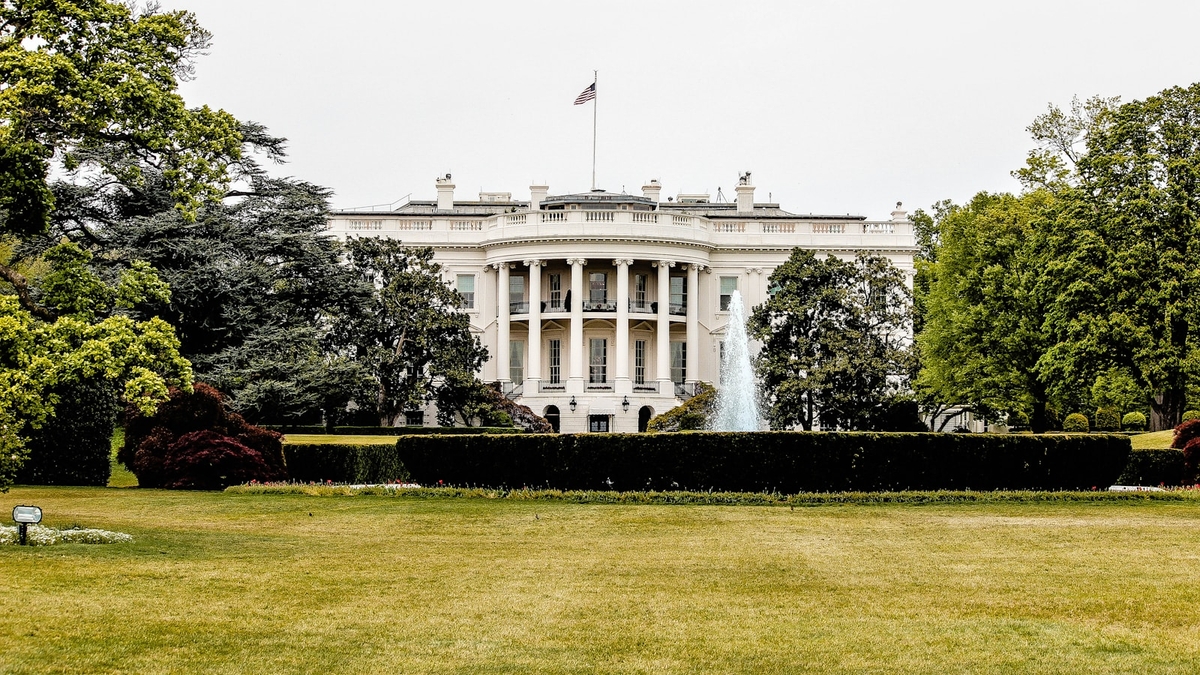
Photo by René DeAnda on Unsplash
2026-06-05 AI controls, tariff pressure, and geopolitical risk converge
AI policy redesign, wider tariffs, Middle East tension, and the wait for jobs data are all moving at the same time. The main signal today is that policy and markets are no longer separate tracks.
Politics
New rules for AI model control

The order lays out government AI security, voluntary frontier model submission, and classified benchmarking.
What happened: The White House released an executive order that tries to promote AI adoption while tightening security controls. It also folds voluntary frontier-model submission into a government benchmark framework.
Why it matters: This is not just regulation. It points to government-led AI testing standards that could spill into procurement and compliance.
What to watch next: Track agency guidance and whether major AI companies participate in the voluntary framework.
US-China clash on Tiananmen

Reuters reports that the anniversary once again triggered competing messages from China, the US, and Taiwan.
What happened: The Tiananmen anniversary became a fresh stage for US-China friction, with Taiwan also pushing its own historical framing.
Why it matters: Taiwan tension is built through repeated messaging, not only military moves. Symbolic dates still matter for strategic signaling.
What to watch next: Watch for follow-up statements from Beijing and Washington.
Wider tariff push for 60 economies

Reuters says a broad tariff proposal is widening the trade and supply-chain shock.
What happened: A tariff proposal spanning 60 economies would push import costs and negotiation pressure higher. Companies now need a fresh supply-chain readout.
Why it matters: The breadth of the proposal matters more than the exact rate. Retail, manufacturing, and logistics all feel the knock-on effect.
What to watch next: Final rates, timing, and exemptions will determine how seriously importers hedge.
Metal tariffs are being reset

Reuters says the tariff reset for metals is feeding into manufacturing and resources expectations.
What happened: Metal tariffs were reset again, bringing industrial costs back into the political spotlight.
Why it matters: Steel, aluminum, and copper feed directly into the cost base of manufacturing, autos, and construction.
What to watch next: Exemptions and pass-through pricing will decide how wide the impact becomes.
Immigration and DHS funding fight

Reuters reports that immigration enforcement and DHS spending remain a live Senate fight.
What happened: Senate scrutiny of immigration enforcement and airport threats keeps DHS funding in play.
Why it matters: This is about budgets, detention capacity, airport operations, and state-federal friction all at once.
What to watch next: Follow the Senate vote path and any extra measures triggered by protests or disruptions.
Economy
Warsh inherits a squeezed economy

Reuters analysis on a Fed transition facing both inflation pressure and investment demand.
What happened: The next Fed era inherits a difficult mix of sticky prices and investment needs.
Why it matters: Interest-rate expectations still move everything from housing to capital spending to equity multiples.
What to watch next: Listen for Fed remarks that either pull cuts forward or push them back.
Jobs data is the next market test

Reuters says the labor report is now the next big market input.
What happened: Stocks are high, but the labor report is about to decide the next move in rates and yields.
Why it matters: Jobs data tells the market whether growth is cooling or inflation is still sticky.
What to watch next: Headline payrolls, wages, and unemployment will drive the reaction.
Middle East tension hits stocks

Reuters says geopolitical risk is now feeding directly into risk appetite.
What happened: Escalating Middle East tension pushed stocks a bit lower and nudged investors toward safety.
Why it matters: Geopolitics now affects equities, energy, and rates all at the same time.
What to watch next: Watch oil and Treasury yields for a combined move.
Oil and inflation risk are back

Reuters says oil is moving higher while AI strength still props up stocks.
What happened: Crude prices rose on Middle East risk, reviving inflation concerns.
Why it matters: Oil feeds into transport costs, expectations, and the Fed narrative.
What to watch next: Whether the move becomes a supply story instead of a one-day spike.
Customs enforcement and de minimis

The fact sheet highlights tougher customs enforcement, including de minimis and anti-smuggling measures.
What happened: Customs enforcement is getting tougher, which raises the cost of low-value imports and inspection-heavy flows.
Why it matters: For importers and logistics firms, operational changes often hurt more than headline tariff rates.
What to watch next: Which product categories become the main enforcement targets.
Technology
Nvidia’s PC-focused AI chip

Reuters says Nvidia is pushing AI processing closer to the device.
What happened: Nvidia introduced a new chip that brings AI processing closer to the PC itself.
Why it matters: Device-side AI can change the upgrade cycle and reduce reliance on the cloud.
What to watch next: OEM adoption and software optimization.
Marvell gets re-rated

Reuters says Huang’s comment helped lift Marvell as an AI infrastructure name.
What happened: Marvell rallied after Huang called it the next trillion-dollar company.
Why it matters: The AI trade is spreading beyond Nvidia into networking, memory, and infrastructure.
What to watch next: Whether revenue and guidance justify the valuation jump.
Anthropic is preparing for IPO

Reuters says Anthropic is quietly preparing to go public.
What happened: Anthropic is reported to have filed confidentially for an IPO.
Why it matters: Capital markets and governance are becoming core issues for large AI firms.
What to watch next: Revenue growth, compute access, and disclosure quality.
Broadcom weakness clouds the AI boom

Reuters says a revenue miss is making investors question the AI boom trade.
What happened: Broadcom’s revenue miss dragged on the AI trade.
Why it matters: AI capex needs demand, margins, and execution to all stay strong.
What to watch next: Upcoming chip earnings will show whether demand is durable.
ECB wants targeted AI risk controls
Reuters says the ECB wants concrete AI risk controls, not generalities.
What happened: The ECB told banks to focus on targeted AI risk controls.
Why it matters: AI is now a model-risk and governance issue for finance, not just a productivity tool.
What to watch next: Documentation, validation, and governance demands from supervisors.
Cross-Cutting View
- AI is moving from product story to regulation, security, and market-structure story.
- Tariffs and customs enforcement are functioning as industrial policy, not just trade policy.
- Middle East risk is now affecting equities, oil, and rate expectations at the same time.
- The AI hardware trade is still broad, but it is becoming more sensitive to earnings misses and guidance.
Uncertain Items To Track
- Whether the AI executive order turns into agency-level operating rules.
- Whether the 60-economy tariff proposal becomes a real rate schedule.
- Whether jobs data changes the Fed path and the current stock rally.
- Whether oil keeps the inflation narrative alive beyond a one-day spike.
- Whether AI infrastructure names can justify current valuations with actual earnings.
2026-06-05 AI統制と関税圧力、地政学リスクが重なる一日
AI政策の再設計、関税の拡張、中東緊張、そして雇用統計待ちの市場が同時に進み、政策と相場が切り離せない状態になっている。技術ニュースも個別企業の話ではなく、AI投資の持続性と規制対応の問題として読まれる局面が強まった。
政治
AIモデル統制の新指針
大統領令本文。政府のAIサイバー防衛、フロンティアモデルの任意提出、機密ベンチマークをどう組み込むかを示す。
何が起きたか: ホワイトハウスがAIの安全保障と普及促進を同時に狙う大統領令を公表した。政府利用のAI保護と、民間モデルの任意提出を組み合わせる構図だ。
なぜ重要か: 規制強化だけでなく、政府がAI検証の基準作りに踏み込む点が大きい。民間モデルの評価実務や調達条件に波及する可能性がある。
今後の注視点: 省庁ごとの実装指針と、主要AI企業が任意提出の枠組みにどう反応するかを見る必要がある。
Tiananmenで中米が応酬
Reuters報道。Tiananmen記念日に合わせた発信をめぐり、中国と米国、台湾の言い分がぶつかっている。
何が起きたか: 天安門事件の記念日に合わせ、中国と米国の対立が再燃し、台湾も歴史認識を前面に出した。象徴的な日付が対外姿勢の再確認の場になった。
なぜ重要か: 台湾海峡の緊張は、軍事だけでなく外交メッセージの積み上げで高まる。記念日や発言のたびに、米中関係の温度が測られる。
今後の注視点: 中国側の追加反応と、米国側が台湾・人権・安全保障をどう結びつけて発信するかを見る。
60経済圏への追加関税案
Reuters報道。60の経済圏を対象にした追加関税案が、通商交渉と供給網の再編を押し進めている。
何が起きたか: 複数の経済圏に広がる追加関税案が浮上し、輸入コストと交渉カードが一段と政治化している。企業側はサプライチェーンの再見積もりを迫られる。
なぜ重要か: 関税率そのものより、対象地域の広さが大きい。小売、製造、物流の各段階で、価格転嫁と調達先の見直しが連鎖する。
今後の注視点: 最終税率、発効時期、例外措置の有無が決まるまで、輸入企業のヘッジ行動を追う必要がある。
金属関税の再調整
Reuters報道。鉄鋼・アルミ・銅の関税調整が、製造業と資源市場の見通しを揺らしている。
何が起きたか: 金属関連の関税が見直され、輸入コストの扱いが再び政策論点になった。設備投資や自動車、建設の原価見通しに直結する。
なぜ重要か: 金属はあらゆる製造業の入力財なので、関税変更の波及範囲が広い。輸出国だけでなく米国内の加工業者にも影響が出る。
今後の注視点: 例外品目と既存契約の扱い、そして下流産業への価格転嫁がどこまで進むかを確認したい。
移民・DHS予算の攻防
Reuters報道。国土安全保障と移民執行をめぐる議会審査が、予算と治安の両面で争点化している。
何が起きたか: 移民執行や空港での脅威対応をめぐる議会審査が続き、DHS関連予算の妥当性が問われている。政策の焦点は人道と執行のどちらに重心を置くかだ。
なぜ重要か: これは単なる治安の話ではなく、州政府、空港運営、拘留施設、連邦予算に広く影響する。夏の政治争点として拡大しやすい。
今後の注視点: 上院での採決の行方と、抗議や空港混乱が追加措置を促すかどうかを見る。
経済
ワーシュ新FRBの初手
Reutersの論説・分析。新しいFRB体制が、インフレ再燃と投資需要の両方を抱える経済を引き継ぐ構図を描く。
何が起きたか: FRBの新体制を巡る議論の中で、物価上昇と投資需要の板挟みが改めて意識されている。政策の焦点は景気下支えとインフレ抑制の両立だ。
なぜ重要か: 金利期待が少し動くだけで、住宅、設備投資、株価バリュエーションが同時に反応する。FRBのメッセージが市場全体の前提条件になる。
今後の注視点: 次回会合までの発言とデータが、利下げ観測を強めるか、逆に後ずれさせるかを見たい。
雇用統計待ちの市場
Reuters報道。株高の最中で、雇用統計と金利経路が相場の次の材料になっている。
何が起きたか: 米株の上昇が続く一方で、次の雇用統計が利下げ時期の見極めに直結する局面になった。投資家は好材料よりも金利経路の変化に敏感だ。
なぜ重要か: 雇用統計は成長鈍化とインフレ粘着のどちらを市場が重く見るかを左右する。債券利回りが動けば、株の優位もすぐ揺れる。
今後の注視点: 雇用者数、賃金、失業率のどれがサプライズになるかで、相場の方向感が決まる。
中東緊張で株式が失速
Reuters報道。地政学リスクの高まりが、株式市場のリスク選好を弱めている。
何が起きたか: 中東の緊張が高まる中で、米株は小幅安となり、投資家は安全資産への逃避を強めた。地政学の見出しがそのまま取引材料になっている。
なぜ重要か: 地政学の悪化は株価だけでなく、エネルギー、輸送、金利期待にも波及する。単発のニュースでも、相場全体のリスクプレミアムを押し上げやすい。
今後の注視点: 原油と国債利回りの同時変動が続くか、あるいは株が一時的に耐えるかを確認したい。
原油高とインフレ再燃
Reuters報道。中東の軍事衝突懸念が原油を押し上げ、同時にAI関連株の強さが株式市場を支えている。
何が起きたか: 原油市場は中東情勢を受けて上昇し、エネルギー価格の再加速が意識されている。株式市場ではAI関連の強さがその逆風を一部相殺している。
なぜ重要か: 物価に効くのは原油だけではなく、輸送費や期待インフレも動く。インフレ再燃の警戒が、FRB観測に戻ってくる。
今後の注視点: 原油の上昇が一時的か、供給不安として定着するかで、次の物価見通しが変わる。
税関改革とde minimis縮小
ホワイトハウスのファクトシート。de minimisや密輸対策を含む税関執行強化が、通関実務を押し上げる。
何が起きたか: 税関執行の強化が公表され、少額輸入の扱いや密輸対策が再び注目されている。実務上は通関コストと検査頻度の上昇につながる。
なぜ重要か: 輸入業者、EC、国際物流にとっては、関税率よりも運用変更の方が痛いことが多い。小口輸入の通関効率が落ちれば、在庫戦略が変わる。
今後の注視点: どの品目が重点対象になるか、そして通関現場での遅延がどこまで広がるかを見たい。
技術
NvidiaのPC向けAIチップ
Reuters報道。NvidiaがPC向けにAI処理を近づける新チップを打ち出し、端末側AIの流れを強めている。
何が起きたか: Nvidiaが、AI処理をPC側でより直接に動かす新チップを打ち出した。クラウド依存を少し減らし、端末側AIの競争を押し上げる動きだ。
なぜ重要か: 生成AIの体験は、モデルの性能だけでなく、端末でどれだけ軽く速く動くかで決まる。PC更新需要にも波及しうる。
今後の注視点: OEM各社が採用を広げるか、ソフト側の最適化が追いつくかを確認したい。
Marvellへの評価が急騰
Reuters報道。Nvidiaの黄仁勲氏の発言をきっかけに、Marvell株がAIインフラ銘柄として再評価されている。
何が起きたか: 黄仁勲氏の「次の1兆ドル企業」発言を受けて、Marvellへの期待が一気に跳ねた。AI向けインフラ周辺株の物色が続いている。
なぜ重要か: AI相場はNvidia本体だけでなく、接続、メモリ、ネットワークの周辺にも広がる。評価の裾野がどこまで伸びるかが問われる。
今後の注視点: ガイダンスや受注が期待を裏付けるか、それとも話題先行で終わるかを確認したい。
AnthropicのIPO準備
Reuters報道。Anthropicが非公開でIPO準備に入ったとの報道が、AI企業の資本政策を再び焦点化している。
何が起きたか: Anthropicが秘密裏にIPOを進めていると報じられた。収益化だけでなく、資本市場との距離をどう取るかが話題になっている。
なぜ重要か: 巨額投資を続けるAI企業にとって、上場は資金調達と説明責任の両面で意味が大きい。競合各社の評価にも連鎖する。
今後の注視点: 収益成長、計算資源の確保、ガバナンス開示のどこが市場の焦点になるかを見る。
Broadcom失速でAI相場に警戒
Reuters報道。Broadcomの売上未達が、AIブーム前提の強気観測に揺らぎを与えている。
何が起きたか: Broadcomの決算や収益見通しがAIブームの期待を下回り、関連株に警戒感が広がった。相場は好材料だけでは支えきれない段階に入っている。
なぜ重要か: AI投資は設備投資、需要、利益率の3点が揃って初めて続く。1社の未達でも、周辺セクターのバリュエーション全体に触れる。
今後の注視点: 次の大型半導体決算で、需要の強さが一過性か構造的かを見極めたい。
ECBがAIリスク対策を要求
Reuters報道。ECBが銀行にAIリスクへの具体策を求め、広い抽象論ではなく実装ベースの対応を迫っている。
何が起きたか: ECBが銀行に対し、AIリスクへの個別対応を求めた。大枠の方針ではなく、業務別のリスク管理が必要というメッセージだ。
なぜ重要か: 金融機関にとってAIは効率化の手段である一方、モデルリスクや説明責任の新たな源でもある。規制が実装を左右する。
今後の注視点: 監督当局が求める文書化、検証、ガバナンスがどこまで厳しくなるかを追う。
横断的な見立て
- AIは「製品の話」から「規制・安全保障・市場構造の話」へ移っている。ホワイトハウスのAI指針とECBのAIリスク要求は、企業の実装コストを押し上げる方向で重なる。
- 関税と税関執行は、外交政策ではなくサプライチェーンの設計変更を迫る経済政策として機能している。金属、少額輸入、広域関税案が同時に出ている点が重要だ。
- 中東緊張は原油だけでなく、株式のバリュエーションと金利観測にも波及している。相場は地政学の見出しに以前より短いタイムラグで反応している。
- 半導体とAIインフラは、Nvidia本体からMarvell、Broadcom、周辺機器へと評価の裾野が広い。強気相場の持続性は、1社ではなくセクター全体の利益成長で判断される。
追跡すべき未確定事項
- AI大統領令の実装が、各省庁の調達や評価基準まで落ちるかどうか。
- 60経済圏向け関税案が、交渉材料で終わるのか、実際の税率として発効するのか。
- 雇用統計が金利期待を動かし、株高を支えるか、それとも利下げ後ずれで崩すか。
- 中東情勢と原油高が、インフレ見通しにどこまで恒常的な上振れを与えるか。
- AI相場の周辺銘柄が、ガイダンスと受注で現在の高い期待値を正当化できるか。