Published
-
2026-07-02 Supreme Court rulings and AI capital shifts collide
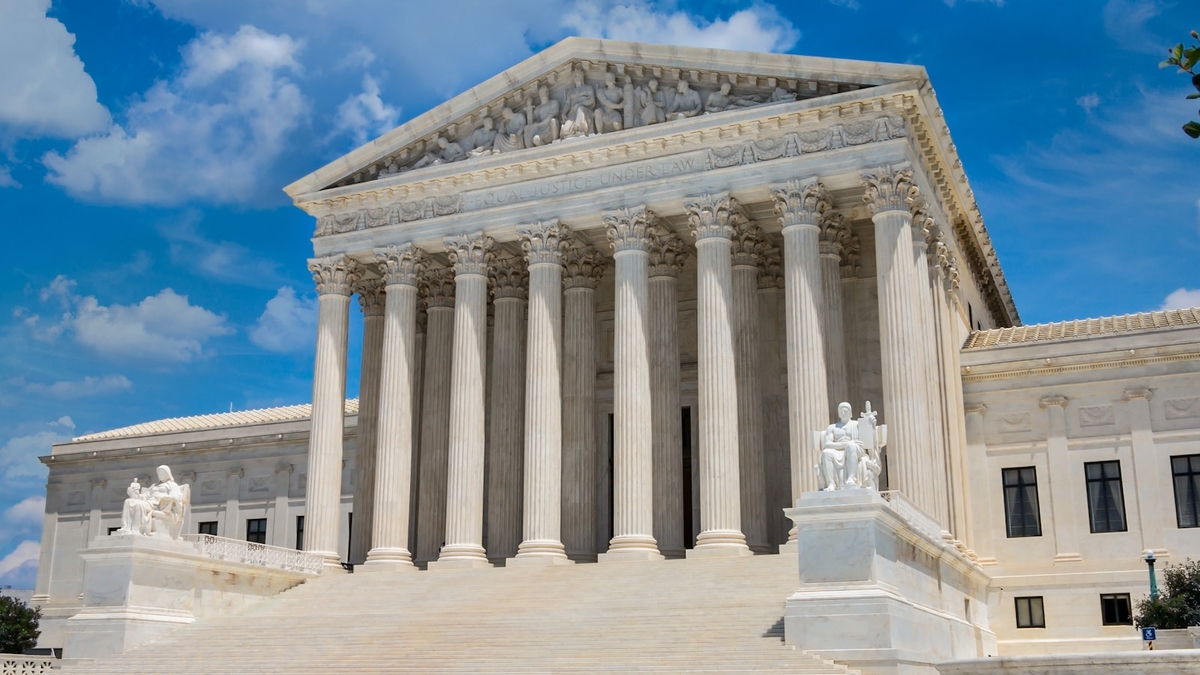
Photo by Fine Photographics on Unsplash
2026-07-02 Supreme Court rulings and AI capital shifts collide
In the U.S., the Supreme Court pushed birthright citizenship and transgender-athlete fights back into the center of politics, while Trump-world put tourism enforcement and financial disclosure on the same stage. In markets, oil, rates, UK retail restructuring, and bank-brand changes moved in one cluster, and in tech the pressure points were different but connected: safety reviews, export controls, app-store rules, and scarce AI compute. The common thread is that policy shifts are increasingly showing up as pricing, supply, and deployment constraints.
Politics
Birthright citizenship ruling

A live update that put the Supreme Court's birthright-citizenship ruling back at the center of the Trump agenda.
The bottom line: The Supreme Court put birthright citizenship back at the center of politics.
What happened: The court issued a ruling on birthright citizenship that narrowed the space for unilateral immigration enforcement.
Why it matters: Immigration, elections, and state-law fights all move together here, so the policy battle is likely to stay in court and in Congress.
What to watch: Watch for state and congressional pushback, including new bills or follow-on litigation.
Birth-tourism crackdown

The same live update showed the administration leaning harder into enforcement against birth tourism.
The bottom line: The enforcement response is becoming part of the story, not just the ruling.
What happened: The birthright-citizenship fight was followed by a sharper crackdown on birth tourism.
Why it matters: It reaches immigration, healthcare, and state administration, so the political fight quickly becomes an operational one.
What to watch: Watch which states move first on policy changes or legal resistance.
Trans-athlete rules

A Supreme Court decision kept the fight over transgender-athlete bans in the headlines.
The bottom line: The court showed again that sports rules remain a core culture-war issue.
What happened: State restrictions on transgender athletes came back into focus after the court’s ruling.
Why it matters: Schools, states, and sports bodies still lack a single standard, so friction will continue.
What to watch: Watch for spillover to other states and more litigation over federal preemption.
Trump financial disclosure

A public filing showed Trump's income leaning heavily on crypto and licensing.
The bottom line: Politics and crypto are becoming inseparable both as a revenue source and as a regulatory issue.
What happened: The 2025 disclosure highlighted just how large the crypto income stream has become.
Why it matters: Financial disclosures feed directly into campaign-money, regulation, and conflict-of-interest debates.
What to watch: Watch for congressional or regulatory reaction to the crypto-linked income and holdings.
Pre-midterm GOP convention

The report said Republicans are preparing an unusual national convention ahead of the midterms.
The bottom line: The midterm campaign has already moved into mobilization mode.
What happened: Republicans signaled plans for a national convention before the fall midterms.
Why it matters: It would serve as a fundraising and candidate-mobilization event rolled into one.
What to watch: Watch the venue, the date, and how directly Trump is involved.
Economy
Inflation risks ease at Sintra

The Sintra forum briefly cooled the rate and inflation debate.
The bottom line: Rate pressure remains, but the latest forum suggested a bit more room on inflation.
What happened: Warsh said inflation risks have come down, nudging the policy tone a little more neutral.
Why it matters: Rate expectations feed directly into housing, investment, and currencies.
What to watch: Watch whether the next central-bank meetings actually soften the cautious stance.
Eurozone inflation slows to 2.8%

The ECB forum reinforced the view that eurozone inflation is easing.
The bottom line: Inflation is cooling, but markets still see a cautious pace for any rate cuts.
What happened: Eurozone inflation eased to 2.8%, prompting another read on the ECB outlook.
Why it matters: A few ECB words can move bonds, bank stocks, and FX almost immediately.
What to watch: Watch July data to see whether the slowdown is temporary or durable.
Oil falls on US-Iran talks

Talks between the U.S. and Iran pushed oil and inflation expectations lower.
The bottom line: A single diplomatic update can move energy prices and inflation expectations quickly.
What happened: Oil slipped about 1% as U.S.-Iran talks continued.
Why it matters: Oil feeds directly into transport costs, inflation, and corporate margins.
What to watch: Watch whether the next diplomatic step keeps prices down or reverses them.
TG Jones store closures

UK retail restructuring is forcing a large closure wave among former WH Smith stores.
The bottom line: UK retail is under pressure from both weak demand and structural reorganization.
What happened: Closure plans for former WH Smith stores widened, shrinking the chain’s footprint.
Why it matters: It affects jobs, travel-hub retail, and high-street footfall.
What to watch: Watch which locations are hit first.
Halifax brand phase-out

Bank-brand consolidation in the U.K. reached the long-running Halifax name.
The bottom line: Banks are trimming branches and brands to simplify cost and customer flows.
What happened: Lloyds moved to phase out the Halifax brand after years of overlap.
Why it matters: Bank consolidation affects jobs, branch access, and account migration.
What to watch: Watch for similar consolidation at other legacy brands.
Technology
Anthropic export controls lifted

A report said Anthropic's model export restrictions were lifted, easing one layer of AI political risk.
The bottom line: AI models are now subject to export-control politics as much as performance competition.
What happened: Restrictions around Anthropic’s Fable and Mythos models were reported to have been lifted.
Why it matters: If deployment and sales freedom improves, Anthropic’s commercial plans can move faster.
What to watch: Watch whether similar relief reaches other models or GPU export controls.
Apple security updates accelerated

Apple moved security updates earlier than usual amid AI-driven cyber concerns.
The bottom line: AI is changing product features and the pace of defensive updates.
What happened: Apple pushed updates sooner because of rising AI-driven cybersecurity concerns.
Why it matters: Update speed directly affects how quickly vulnerabilities can be contained.
What to watch: Watch whether other vendors also start shipping security fixes earlier.
U.K. pressures the App Store duopoly

The U.K. competition watchdog moved to weaken Apple and Google's hold over app distribution and payments.
The bottom line: The app market is increasingly about distribution rules and fees, not just prices.
What happened: The U.K. watchdog signaled a move against Apple’s and Google’s effective duopoly.
Why it matters: If app-store terms change, developers’ revenue models change with them.
What to watch: Watch whether regulators in the EU or U.S. follow with similar action.
Meta weighs selling excess AI compute
A report said Meta may try to turn unused AI infrastructure into a sellable cloud-like product.
The bottom line: AI infrastructure is becoming a business in its own right, not just a support function.
What happened: Meta was reported to be considering selling spare AI compute externally.
Why it matters: Huge AI capex may end up turning into cloud or infrastructure sales.
What to watch: Watch whether the idea becomes a real product or stays a market rumor.
Google limits AI supply to Meta

A summary of FT reporting said Meta's AI model work is being slowed by a compute bottleneck.
The bottom line: AI competition is turning into a contest over who can secure enough compute.
What happened: Google was reported to be unable to supply Meta with enough AI compute, slowing development.
Why it matters: Compute scarcity can matter more than release dates or feature lists.
What to watch: Watch whether Meta fills the gap through outside supply or more in-house capacity.
Cross-cutting read
- The Supreme Court and Trump-aligned agenda are moving in parallel, tying immigration, gender rules, campaign money, and the midterm calendar into one storyline.
- Oil and rates still trade as a geopolitics story, and that is spilling into housing, retail, and banking decisions.
- AI is no longer only a model race; compute scarcity, export controls, and distribution rules are now the bottlenecks.
What to watch next
- Whether Congress can turn the birthright-citizenship push into actual legislation.
- Whether US-Iran talks keep Brent lower or snap back on any setback.
- Whether AI regulators in the U.S., U.K., and EU broaden oversight after Anthropic, Apple, and CMA moves.