Published
-
2026-06-24 NATO, Iran, rates, and AI investment moved together
2026-06-24 NATO, Iran, rates, and AI investment moved together
The June 24 news cycle linked security policy and markets. In politics, NATO mutual defense language and post-strike Iran intelligence claims drove the day. In the economy, investors watched the Fed, BOJ, oil, equities, and currencies through the same Middle East risk lens. In technology, AI stock swings, quantum orders, semiconductor materials, cybersecurity pressure, and AI server plans showed how AI investment now depends on power, supply chains, capital, and operating risk.
Politics
U.S. wording unsettles NATO defense pledge

U.S. comments on Article 5 unsettled allies' risk assessment.
The bottom line: NATO deterrence depends on U.S. words as much as military capacity.
What happened: AP reported that Trump left ambiguity around the U.S. commitment to NATO mutual defense.
Why it matters: Allies read U.S. intent before they price summit communiques or defense spending.
What to watch: Watch whether summit language reinforces Article 5 without caveats.
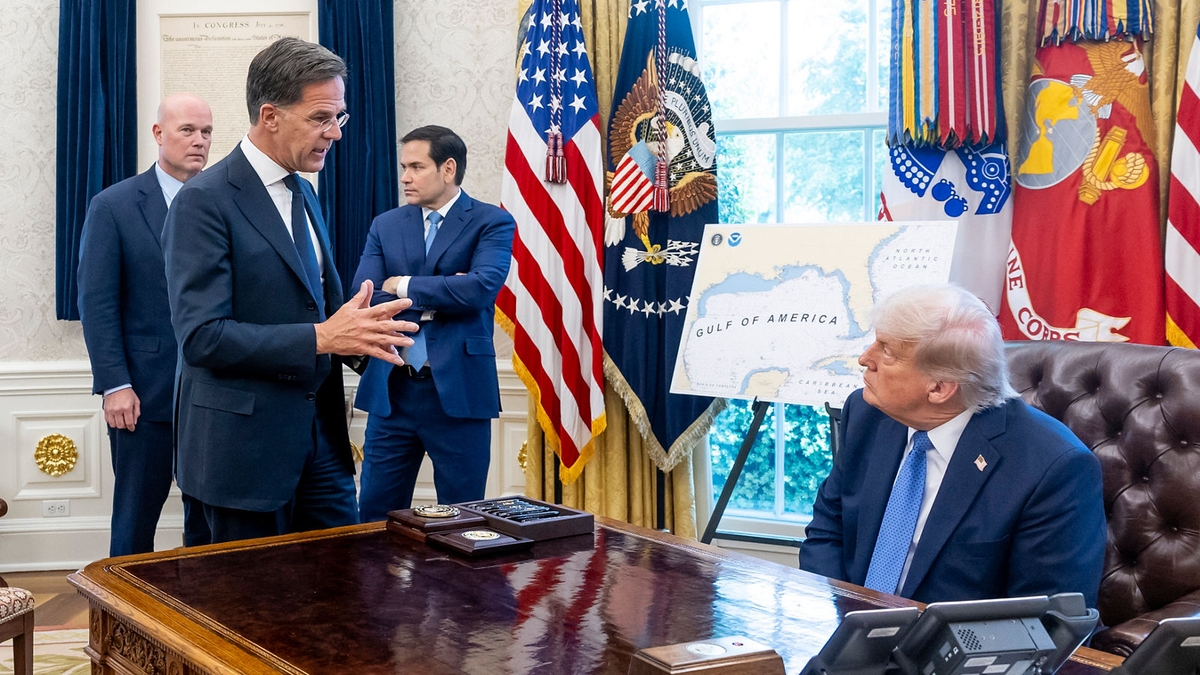
Rutte works the White House channel

The NATO chief's visit linked defense-spending diplomacy with Iran policy.
The bottom line: NATO needs to translate U.S. demands into a form allies can accept before the summit.
What happened: Secretary General Mark Rutte visited the White House for talks on burden-sharing and Iran.
Why it matters: The more Europe accommodates U.S. security demands, the more Russia deterrence and Middle East policy converge.
What to watch: Track whether spending targets connect to procurement plans and base-access cooperation.
Iran strike assessment becomes contested

The gap between early intelligence and administration claims became the issue after U.S. strikes.
The bottom line: Ambiguous strike results weaken both diplomacy and domestic justification.
What happened: AP reported that the administration defended the strike results despite an early intelligence assessment.
Why it matters: The delay inflicted on nuclear work anchors sanctions, compliance, and congressional oversight.
What to watch: Watch how independent reviews and congressional briefings describe damage and recovery.
Iran deal compliance becomes next test

Washington signaled further action if Iran does not comply with the deal.
The bottom line: Post-ceasefire stability depends more on compliance monitoring than the text itself.
What happened: Reuters reported Trump’s warning that he would act if Iran failed to live up to the deal.
Why it matters: Compliance risk moves oil, shipping, sanctions, and allied force posture together.
What to watch: Watch which bodies verify inspections, enrichment activity, and proxy behavior.
Israeli nuclear claims face scrutiny

AP fact-checked Israeli claims about Iran's nuclear program.
The bottom line: Overstated nuclear claims would narrow both strike justification and diplomatic room.
What happened: AP examined how Netanyahu’s statements matched public evidence.
Why it matters: Fact-finding during a crisis affects military decisions and allied support.
What to watch: Watch whether IAEA or U.S. intelligence assessments support Israeli claims.
Economy
Fed hike risk returns

Some Fed policymakers see a 2026 rate hike as inflation pressure persists.
The bottom line: Markets waiting for cuts may face delay as Fed officials refocus on inflation.
What happened: Reuters reported that nearly half of Fed policymakers see a 2026 hike as possible.
Why it matters: Longer high rates raise financing costs for housing, corporate debt, and AI data centers.
What to watch: Watch whether inflation and jobs data move hike supporters closer to a majority.
BOJ members press for faster hikes

A BOJ summary showed some policymakers called for faster additional hikes.
The bottom line: Japan’s rate normalization affects the yen and global bond demand.
What happened: Reuters reported that some BOJ members wanted faster follow-up hikes.
Why it matters: Persistent yen and import-price pressure forces the BOJ to balance growth and inflation.
What to watch: Watch wages, service prices, and JGB-market reactions before the next meeting.
Oil trades on ceasefire compliance

Ceasefire comments around the Middle East fed into Brent price moves.
The bottom line: Oil markets are more sensitive to signs of breach than to the ceasefire text.
What happened: Reuters reported Brent rose after warnings against breaking the ceasefire.
Why it matters: Energy prices complicate inflation decisions for both the Fed and the BOJ.
What to watch: Track Hormuz shipping risk, insurance costs, and OPEC comments.
U.S. stocks fade Iran-oil rally

U.S. stocks gave back part of a rally as oil started rising again.
The bottom line: Equities can buy de-escalation, then quickly fade when oil rebounds.
What happened: AP reported U.S. stocks slipped from the prior rally while oil resumed rising.
Why it matters: If geopolitical relief is short-lived, new stock highs need earnings support.
What to watch: Watch whether megacap tech or energy shares set the index direction.
Dollar-yen trades BOJ delay risk

Ceasefire uncertainty and perceived BOJ delay pressured currencies.
The bottom line: Yen weakness strengthens the hike case, but fast hikes can stress growth and bonds.
What happened: Reuters reported the dollar rose on ceasefire uncertainty while yen pressure reflected BOJ-delay expectations.
Why it matters: Currency moves feed import inflation, earnings, and foreign investors’ view of Japanese equities.
What to watch: Watch whether post-BOJ yen buying lasts or Fed-hike risk offsets it.
Technology
AI-stock swings move markets

A reversal in high-flying AI stocks became a broader Wall Street driver.
The bottom line: The AI trade now moves on profit-taking and financing costs as well as growth hopes.
What happened: AP reported another sudden reversal in AI stocks rattled Wall Street.
Why it matters: As AI shares lead indexes, small shifts in data-center spending or chip orders spread widely.
What to watch: Watch earnings calls for whether cloud firms keep AI capex plans intact.
U.S. pulls quantum target into focus

The U.S. moved to target a powerful quantum computer by 2028.
The bottom line: Quantum computing is moving from research agenda toward national targets and procurement.
What happened: A Reuters-distributed story said U.S. orders called for powerful quantum capability by 2028.
Why it matters: Government targets can speed private investment and hiring in cryptography, materials, and security.
What to watch: Watch budgets, procurement channels, and standards bodies for favored firms and labs.
$500 million targets chip materials

The U.S. awarded funding to Nvidia-backed SandboxAQ for semiconductor materials discovery.
The bottom line: AI-chip competition now extends beyond design into materials discovery and domestic manufacturing.
What happened: Reuters reported a U.S. award to SandboxAQ for new chipmaking materials.
Why it matters: Without materials breakthroughs, advanced packaging and power-efficiency roadmaps tighten.
What to watch: Watch when research moves into production processes and how export controls treat it.
AI accelerates cybercrime

AI-assisted flaw discovery and ransomware growth raise operational defense pressure.
The bottom line: Organizations without AI-enabled defense risk losing on response speed.
What happened: The World Economic Forum summarized how AI speeds flaw discovery and attacker operations.
Why it matters: Cybersecurity needs changed detection, decision, and containment processes, not only new tools.
What to watch: Watch whether firms shorten incident-response approval paths after deploying AI detection.
SoftBank plans AI-server production

SoftBank plans AI-server production at a former Sharp plant starting in fiscal 2027.
The bottom line: AI infrastructure competition extends from GPU sourcing to domestic server assembly and factory reuse.
What happened: Nikkei Asia reported SoftBank’s plan to make AI servers at a former Sharp plant.
Why it matters: Domestic compute capacity affects cloud costs, data sovereignty, and industrial policy.
What to watch: Power contracts, cooling systems, and GPU sourcing will decide feasibility.
Cross-cutting read
- Security-policy comments moved oil, currencies, equities, and rate expectations in the same window.
- AI investment is being judged through power, servers, materials, and cybersecurity constraints, not only model capability.
- Central banks face inflation and growth risks at once, leaving less policy space than markets would like.
What to watch next
- Whether NATO summit language narrows or widens uncertainty over U.S. mutual-defense commitments.
- Whether Iran agreement compliance pushes oil and shipping insurance risk higher again.
- Whether AI stock volatility spills into data-center power deals and semiconductor materials spending.