Published
-
2026-06-18 Iran deal, rate-hike worries, and AI investment dominate
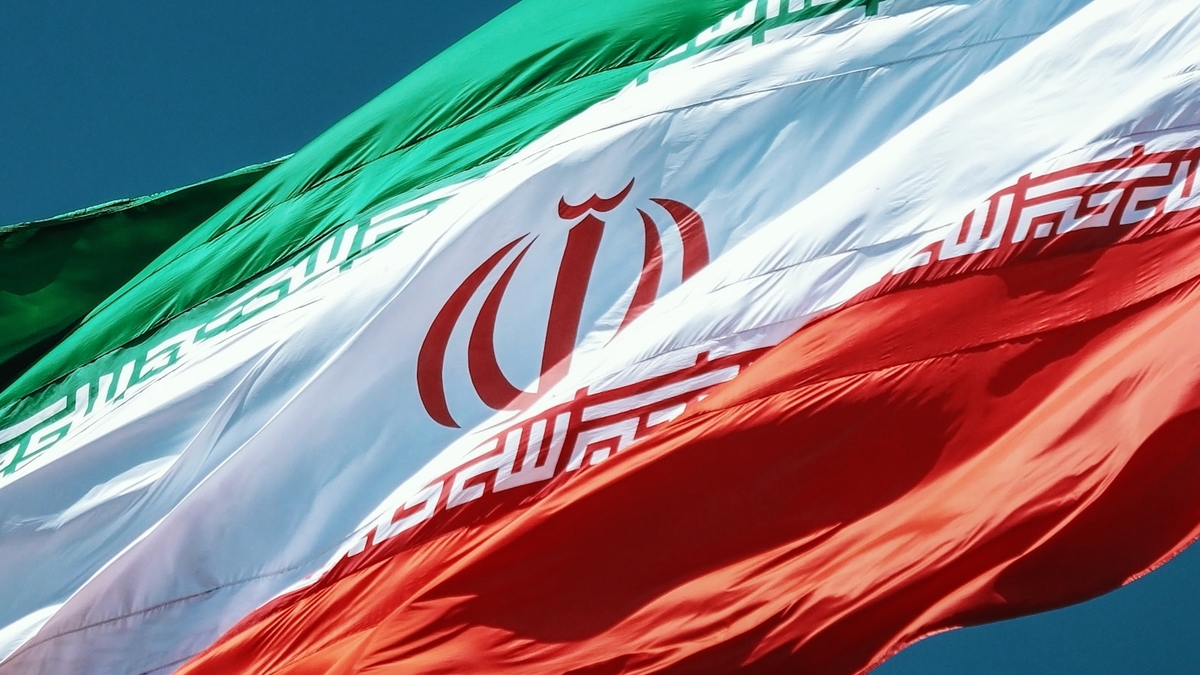
Photo by sina drakhshani on Unsplash
2026-06-18 Iran deal, rate-hike worries, and AI investment dominate
The dominant thread on June 17-18 was the G7-backed interim Iran deal. At the same time, the Fed moved closer to a possible rate hike, keeping pressure on oil, inflation, and risk assets. On the tech side, Nvidia and Apple kept pushing AI spending and product updates, while the EU pressed ahead with a sovereignty agenda for chips, cloud, and AI.
Politics
Iran deal at G7
AP reports that G7 leaders backed the interim US-Iran deal and its Hormuz reopening terms.
The bottom line: The G7 backed the Iran deal, but the implementation details are still being worked out.
What happened: The US-Iran framework won backing from G7 leaders. The practical issues now are reopening Hormuz and deciding how sanctions are handled.
Why it matters: It matters because it moves diplomacy, oil, logistics, and inflation expectations at the same time.
What to watch: Watch the timing of a formal signing and whether extra nuclear or ceasefire terms are added.
Hill skepticism
AP says senators want a fuller briefing and stronger enforcement details before the Iran deal is locked in.
The bottom line: Congress does not look ready to accept the deal without seeing the text and enforcement rules.
What happened: Senators from both parties said the administration needs to explain the deal more fully, with Republicans pushing for a vote and Democrats comparing it with the 2015 accord.
Why it matters: Congressional pushback can weaken the deal’s legal stability and its political durability at home.
What to watch: Watch for text release and any scheduled classified briefings from the White House.
Ukraine support renewed
AP reports that the G7 pledged more air defense, energy help, and sanctions pressure on Russia.
The bottom line: Even with the Iran deal dominating headlines, the G7 kept Ukraine high on the priority list.
What happened: Leaders reaffirmed air-defense support, energy assistance, and a sanctions framework.
Why it matters: It shows that support for Ukraine has not been displaced even as Middle East diplomacy takes center stage.
What to watch: Watch the delivery timing for Patriots and any new sanctions language.
Newsom probe fight
AP says Newsom accuses Trump's Justice Department of politically motivated probes.
The bottom line: Newsom is framing the DOJ move as political pressure ahead of the 2026 election cycle.
What happened: Newsom said investigators are asking about his wife and associates and directly criticized Trump’s Justice Department.
Why it matters: The bigger issue is the perception that federal law enforcement is being weaponized for politics.
What to watch: Watch for any DOJ response and whether the probe expands beyond associates.
Trump’s 80th-birthday show
AP says Trump used a White House UFC event to stage the Iran deal as a political message.
The bottom line: By turning the Iran deal into a spectacle, Trump amplified his own political narrative.
What happened: At the White House UFC event, Trump highlighted the deal’s benefits and kept the spotlight on his political brand.
Why it matters: It shows that spectacle is part of how Trump is selling policy to his base.
What to watch: Watch whether the substance of the deal holds up after the showmanship fades.
Economy
Fed holds, hints hikes
AP reports that several Fed policymakers signaled support for rate hikes later this year.
The bottom line: The Fed held rates steady, but it left the door open to hikes later this year.
What happened: Several officials signaled support for tighter policy, while Warsh pulled back on forward guidance.
Why it matters: That keeps pressure on borrowing costs, mortgages, and equity valuations.
What to watch: Watch the next inflation print and whether officials stay hawkish.
Retail sales jump
AP reports that retail sales rose 0.9% in May, showing household spending is still holding up.
The bottom line: Consumers are still spending, but the fuel shock has not gone away.
What happened: Tax refunds and broad spending gains helped lift May sales.
Why it matters: It suggests the consumer is still resilient, even as price pressure tests that resilience.
What to watch: Watch for any slowdown once the refund effect fades.
Hormuz flow will lag
AP says even a deal to reopen Hormuz would take weeks or months to restore normal oil flows.
The bottom line: Diplomacy may move faster than the oil supply chain.
What happened: AP says tanker movement, insurance, and port logistics will slow the restart.
Why it matters: Fuel and transport costs can stay elevated for longer than the ceasefire headlines imply.
What to watch: Watch mine clearing, insurance terms, and tanker departures.
Prices stay high
AP reports that fuel and fertilizer disruptions will keep pressure on gas, groceries, and airfare.
The bottom line: A ceasefire or deal will not erase the household price shock quickly.
What happened: Energy and fertilizer disruptions are expected to feed into food and travel prices.
Why it matters: If the shock spreads beyond gas into food and travel, the inflation problem broadens.
What to watch: Watch retailer price pass-through and when food inflation peaks.
Stocks fall on hike fears
AP says major US indexes fell after the Fed signaled a possible hike.
The bottom line: Higher-rate fears kept stocks under pressure.
What happened: The S&P 500, Dow, and Nasdaq all fell as traders priced in more tightening.
Why it matters: If rates rise, funding costs and valuations both take a hit.
What to watch: Watch Treasury yields and the market’s hike probability.
Technology
Nvidia’s Texas bet
AP reports that Nvidia is tying AI growth to a Texas manufacturing push.
The bottom line: Nvidia is selling AI as an industrial job story, not just a chip story.
What happened: The company backed a Texas expansion and investment in materials for faster chip communication.
Why it matters: Tying AI to domestic manufacturing makes the story more politically and industrially durable.
What to watch: Watch whether the investment becomes real jobs and better power efficiency.
Nvidia pushes AI PCs
AP reports that Nvidia unveiled new AI chips for Windows laptops and desktops.
The bottom line: Nvidia wants the PC to become a local AI machine.
What happened: The company rolled out RTX Spark-style chips for Windows laptops and desktops.
Why it matters: The competitive field shifts from CPUs to full-stack AI device design.
What to watch: Watch the fall product cycle and consumer demand for AI PCs.
Apple upgrades Siri
AP says Apple used WWDC to highlight Siri's AI upgrades and on-device processing.
The bottom line: Apple is trying to erase the sense that it fell behind in AI.
What happened: WWDC put Siri upgrades, visual intelligence, and on-device AI front and center.
Why it matters: Apple wants to rebuild AI credibility without losing its privacy pitch.
What to watch: Watch the release timing and how broadly the new Siri ships.
EU Siri rollout stalls
AP reports that Apple and the EU are blaming each other for the delayed European Siri rollout.
The bottom line: In Europe, AI features can stall if compliance work gets in the way.
What happened: Apple and Brussels are blaming each other over the delayed Siri AI rollout.
Why it matters: The DMA can change both product design and launch speed in a huge market.
What to watch: Watch for a compliant workaround or a new launch date from Apple.
EU tech sovereignty plan
AP reports that the EU launched measures to strengthen chips, cloud, and AI capacity at home.
The bottom line: Europe is putting tech sovereignty back at the center of policy.
What happened: The European Commission proposed ways to boost local chips, cloud, and AI capacity.
Why it matters: Reducing strategic dependence will affect data centers, supply chains, and public procurement.
What to watch: Watch the pace of legislation and whether real investment follows.
Cross-cutting read
- The Iran deal is not just diplomacy; it feeds directly into oil, logistics, and inflation expectations.
- The Fed’s hawkish shift shows that softer geopolitics does not erase rate and equity headwinds.
- AI is still a capital-spending and policy story at the same time, which keeps pressure on companies and regulators.
What to watch next
- Whether the Iran deal reaches a formal signing and whether extra nuclear or ceasefire terms are added.
- Whether the Fed’s hike signal survives the next inflation print.
- Whether Apple, Nvidia, and the EU turn announcements into shipping products, contracts, or enforceable rules.