Published
-
2026-06-15 Iran peace talks wobble as AI refreshes and rates stay high
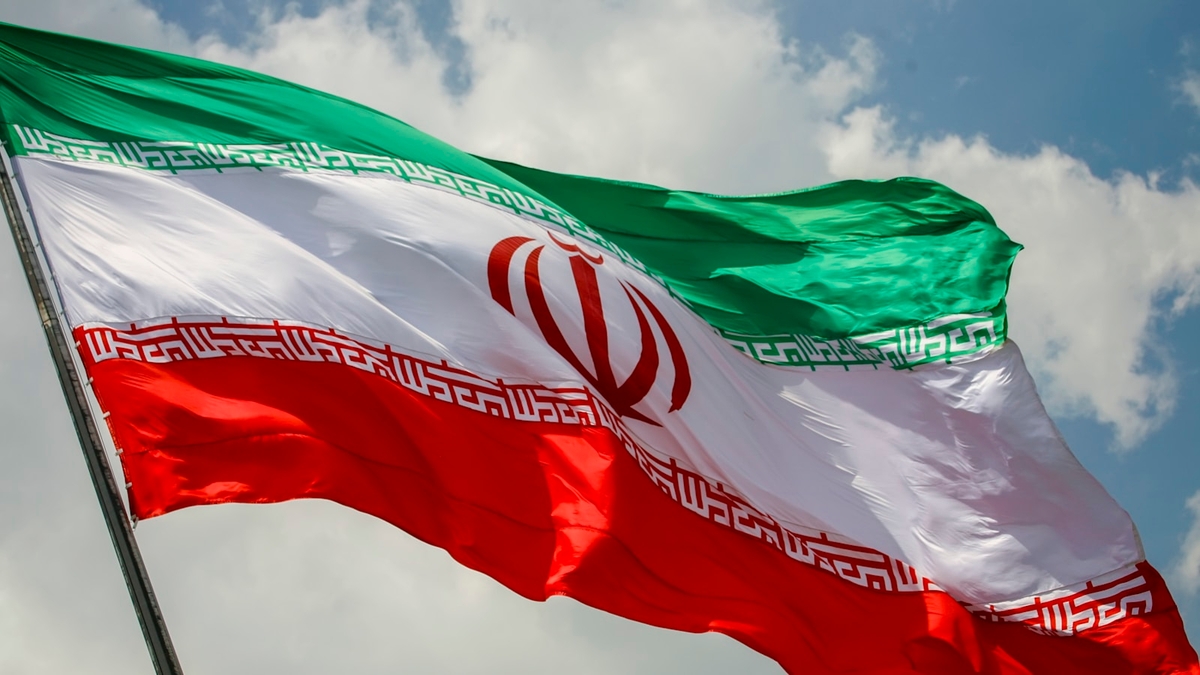
Photo by Akbar Nemati on Unsplash
2026-06-15 Iran peace talks wobble as AI refreshes and rates stay high
US-Iran peace talks are moving politics, oil, and rates at the same time, while major Apple, Google, and Microsoft updates dominate the tech side.
Politics
Beirut strike delays the talks
This report ties the Beirut strike directly to the fragile pace of the peace talks.
The bottom line: The Beirut strike shows how fast the Iran deal can slip when regional fire flares up.
What happened: Israeli airstrikes on Beirut killed and injured civilians, and Trump said the attack delayed the expected peace deal by hours.
Why it matters: The episode keeps the diplomacy fragile because every new strike can change the bargaining position.
What to watch: Watch whether mediators can keep the text moving while Israel and Hezbollah keep trading fire.
Hardliners push back in Tehran

This report shows the draft agreement turning into a domestic political fight inside Iran.
The bottom line: Iran’s hardliners are trying to turn the draft deal into a domestic fight.
What happened: Critics say the proposal does not guarantee sanctions relief or control of the Strait of Hormuz.
Why it matters: If the backlash widens, Tehran may have less room to sign anything that looks like a concession.
What to watch: Watch whether Iranian officials can sell the agreement as leverage rather than surrender.
Hormuz becomes the trade-off
This note centers the shipping clause and the sanctions swap inside the broader talks.
The bottom line: The Hormuz trade-off is now the center of the talks.
What happened: Qatari mediators are pushing a memorandum that would reopen the strait in exchange for sanctions relief.
Why it matters: That would reshape shipping and energy flows well beyond the immediate ceasefire.
What to watch: Watch for any sign that the shipping clause survives once nuclear and missile issues are added back in.
FISA gets tied to voting
This report explains how Section 702 and a voting bill ended up in the same fight.
The bottom line: FISA renewal is being used as leverage for Trump’s voting bill.
What happened: Section 702 lapsed after the House failed to extend it, and Trump is linking its renewal to the SAVE America Act.
Why it matters: The move turns a surveillance deadline into a broader voting-rights fight inside the GOP.
What to watch: Watch whether Senate Republicans break the logjam or let the lapse shape the next intelligence fight.
UFC turns into a crypto story
This story shows the White House event turning into a token and ethics debate.
The bottom line: The White House UFC event has become a crypto and ethics story.
What happened: UFC said fighter bonuses at the White House card will be paid in USD1, a coin tied to Trump’s business circle.
Why it matters: That makes a ceremonial sports event look like political branding for a private token.
What to watch: Watch for more scrutiny of the sponsorships, the payment structure, and any conflict-of-interest claims.
Economy
Cheaper gas lifts sentiment

This story connects lower gasoline prices with a modest improvement in consumer mood.
The bottom line: Lower gas prices are giving households a small but real mood lift.
What happened: A University of Michigan survey found consumer sentiment improved in June as average gasoline prices fell from $4.50 to $4.10 a gallon.
Why it matters: Energy costs still shape how Americans judge the economy, so even modest relief can matter politically.
What to watch: Watch whether the sentiment bounce holds if inflation stays high and the Middle East stays volatile.
Claims rise, layoffs do not
This story keeps the jobs-market signal from being read as a broad layoff wave.
The bottom line: The job market still looks solid even as claims rose to a four-month high.
What happened: Initial jobless claims climbed to 229,000 for the week ending June 6, but the jump looks seasonal rather than like a layoff wave.
Why it matters: That keeps recession fears in check and gives the Fed room to stay cautious.
What to watch: Watch the next payrolls and continuing-claims prints for signs that the summer pattern is breaking.
PPI shakes the tape

This market note captures how hotter wholesale inflation cooled futures.
The bottom line: Wholesale inflation is still hot enough to shake markets.
What happened: Fresh data showed producer prices rose more than expected, and futures trimmed gains after the report.
Why it matters: A sticky PPI reading makes it harder to argue that inflation pressure is fading fast.
What to watch: Watch whether consumer prices and the Fed narrative confirm that the PPI bump is temporary or persistent.
The ECB hikes again
This report shows the European Central Bank reacting to inflation pressure tied to the Middle East.
The bottom line: The ECB has restarted hiking to fight war-driven inflation.
What happened: The central bank raised its deposit rate from 2% to 2.25% as eurozone inflation hit 3.2% in May.
Why it matters: Europe is now treating Middle East energy shocks as a policy problem, not just a market shock.
What to watch: Watch whether growth weakens enough to limit the next rate moves later this year.
Mortgage rates stay sticky

This note keeps the housing-cost squeeze in view.
The bottom line: Mortgage rates are still stuck in a zone that keeps buyers cautious.
What happened: The average 30-year fixed rate held at 6.55% in June, with the 15-year rate at 5.92%.
Why it matters: That keeps housing affordability tight even after some easing earlier in the year.
What to watch: Watch Treasury yields and the next Fed meeting for any sign that financing costs are about to ease.
Technology
Siri gets an AI reset
This story tracks Apple bringing Siri closer to an AI assistant.
The bottom line: Apple’s new Siri is finally turning into a real AI product.
What happened: At WWDC, Apple showed Siri AI with more context, better dictation, and deeper access to personal content.
Why it matters: This is Apple’s clearest attempt yet to catch up with assistant-style AI from rivals.
What to watch: Watch the beta rollout, the regional restrictions, and whether the new Siri ships on schedule.
Cook exit raises succession questions

This WWDC coverage also provides the context for Apple leadership change chatter.
The bottom line: Cook’s exit adds a succession question to Apple’s AI push.
What happened: Apple said Tim Cook will step down as CEO on September 1 and John Ternus will take over.
Why it matters: That hands the next phase of Apple strategy to a hardware leader just as the company leans harder into AI.
What to watch: Watch whether Apple keeps the same pace on AI product launches once the leadership change lands.
Gemini Spark goes broad
This live blog captures Gemini Spark and the wider AI Ultra push.
The bottom line: Google used I/O to push Gemini from chatbot to daily operating system.
What happened: The keynote introduced Gemini Spark, new models, and a broader AI Ultra tier across Google’s products.
Why it matters: Google is now selling AI as an always-on service layer, not just a model family.
What to watch: Watch whether Spark, Search, and Docs actually change how people work outside the keynote demo.
Windows patch day gets huge
This report captures the unusually large June patch burden for Windows teams.
The bottom line: Microsoft’s June patch cycle is a record-sized security cleanup.
What happened: Patch Tuesday fixed nearly 200 flaws, including critical Windows issues and BitLocker-related bugs.
Why it matters: That makes patch management a bigger operational issue for enterprises and IT teams this month.
What to watch: Watch whether proof-of-concept code turns the patched bugs into real exploitation quickly.
Check Point faces a zero-day race
This report shows how a VPN flaw can move quickly into ransomware activity.
The bottom line: Check Point’s VPN zero-day has become an urgent government-grade patching problem.
What happened: CISA warned that CVE-2026-50751 is being exploited and told federal agencies to fix it immediately.
Why it matters: The case shows how fast VPN flaws can jump from vendor advisories to ransomware and government response.
What to watch: Watch whether more affected organizations surface and whether threat actors chain the bug with other access techniques.
Cross-cutting take
- Middle East diplomacy is now driving security, oil, and rates at the same time, so political headlines are feeding directly into household costs.
- FISA renewal and the White House UFC story both show politics, branding, and private incentives bleeding into public institutions.
- Apple and Google are converging on assistant-first AI, but the real test is whether the tools stay useful outside staged demos.
- Security patching is becoming a product story, not just an IT story, as Microsoft and Check Point both highlight the cost of delay.
What to watch next
- Watch for any signed Iran memo or fresh strike that changes the peace timeline.
- Watch the next inflation releases and the Fed meeting for signs that energy shocks are feeding through.
- Watch Apple’s beta gates and Google’s rollout schedule to see which AI features reach ordinary users first.
- Watch whether more zero-days or exploit proofs appear before enterprise patches fully land.