Published
-
How to Read Halal Across Islamic Cultural Spheres
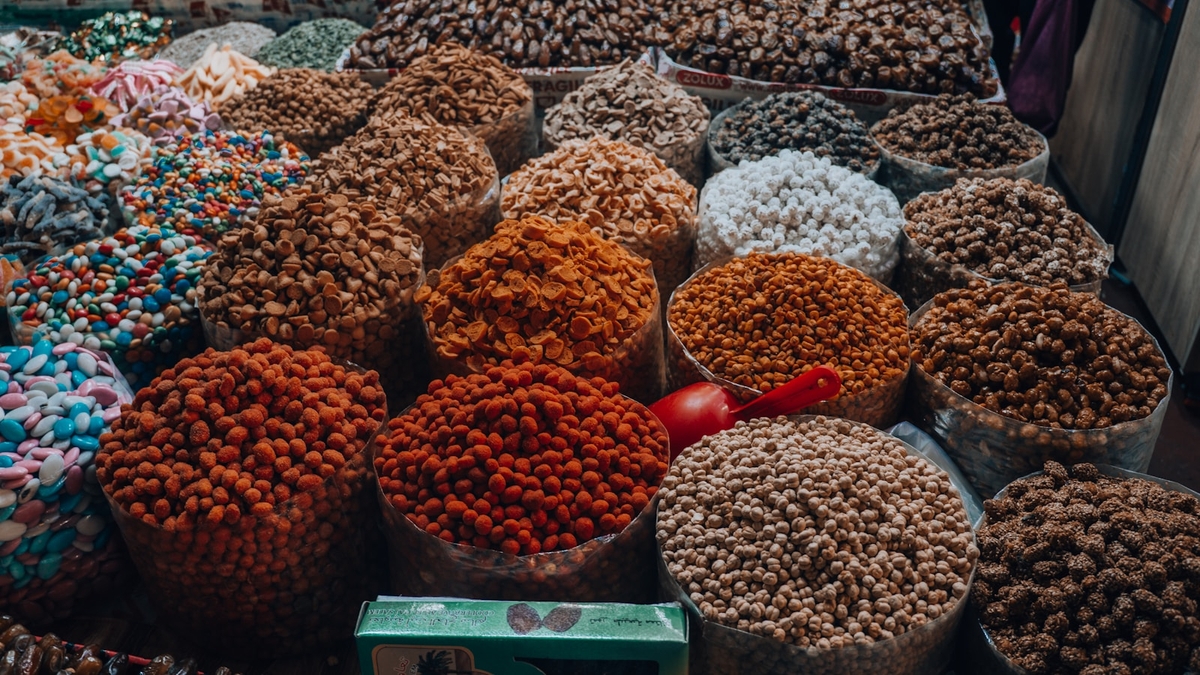
Photo by Filiz Elaerts on Unsplash
How to Read Halal Across Islamic Cultural Spheres
1. Executive Summary
Halal means what Islamic law permits. But in the contemporary world, halal cannot be reduced to avoiding pork and alcohol. It organizes questions of ingredients, slaughter, kitchen tools, logistics, labeling, finance, medicine, cosmetics, tourism, school meals, disaster relief, and workplace prayer. It gives Muslims a way to distinguish what is allowed, what is doubtful, and what should be avoided across ordinary life. 出典: The Qur’an addresses lawful and good food in 2:168, prohibited foods in 2:173 and 5:3, and the food of the People of the Book in 5:5. See Quran.com 2:168, 2:173, 5:3, and 5:5.
Modern halal has a double structure: religious practice and quality assurance. On the religious side, eating becomes a way to affirm obedience, bodily purity, and community belonging. On the institutional side, firms, certifiers, states, and standards bodies turn that practice into auditable systems from raw materials to final sale. The Codex Alimentarius guideline defines halal food as food permitted under Islamic law and covers ingredients, processing, storage, transport, and contact with non-halal food. OIC/SMIIC extends the field into food, certification bodies, accreditation bodies, logistics, pharmaceuticals, and inspection bodies. 出典: Codex CXG 24-1997 and SMIIC Standards provide the standards baseline.
This structure reflects the breadth and diversity of Islamic cultural spheres. Indonesia, Malaysia, Gulf states, Turkey, South Asia, Europe, North America, and Japan all use the word halal, but their state involvement, legal schools, migration histories, food industries, secular laws, and consumer-protection systems differ. Pew Research Center estimated in 2025 that Muslims were the fastest-growing major religious group from 2010 to 2020 and reached 25.6% of the world’s population. Halal is therefore not a local custom. It is an entry point into global consumption, mobility, regulation, and cultural friction. 出典: Pew Research Center, How the Global Religious Landscape Changed From 2010 to 2020 provides the demographic estimate.
       flowchart LR
  N["Religious norms"] --> P["Everyday practice"]
  P --> T["Demand for trust"]
  T --> C["Certification and audit"]
  C --> S["Supply-chain control"]
  S --> M["Markets and state systems"]
The diagram shows how halal moves from personal discipline into industrial infrastructure. Faith remains the starting point, but the modern dispute concerns proof: who can certify halal status, how far markets and states should intervene, and how consumers can judge claims they cannot inspect themselves.
2. Halal, Haram, Tayyib, and Doubt
The first mistake is to treat halal as a simple binary. Halal means permitted, and haram means forbidden. But much of everyday life sits between those poles. A consumer may not know whether an ingredient is traceable, whether a kitchen handled alcohol or pork derivatives, or whether a medicine capsule or vaccine stabilizer used animal material. In these cases, Muslims face doubtful matters, not only clear permission or clear prohibition. The hadith tradition’s distinction among the lawful, the unlawful, and doubtful matters has long supported that practical sensibility. 出典: Sahih al-Bukhari 2051 records the tradition about lawful, unlawful, and doubtful matters.
A second concept is tayyib: good, wholesome, clean, or sound. Qur’an 2:168 tells people to eat what is lawful and good on the earth. That language allows many Muslims to connect halal with hygiene, safety, bodily care, animal treatment, and fair exchange. Contemporary halal food systems often meet food safety, traceability, animal welfare, and sustainability debates through this tayyib vocabulary. 出典: Quran.com 2:168 and WOAH’s note on its revised animal welfare during slaughter standard support this framing.
Tayyib also creates a boundary problem. If the term expands too far, it absorbs every form of ethical consumption into halal. Environmental care, fair trade, worker protection, and animal welfare matter, but scholars, certifiers, states, and consumers do not always agree on what counts as a religious requirement and what remains an ethical preference. That is why halal should not be treated as an Islamic version of organic labeling.
3. Halal Food Is a Supply-Chain System
A food product cannot be judged only by its ingredients list. Classical prohibitions against pork, blood, carrion, intoxicants, and animals dedicated to other than God remain central. But modern food also raises questions about gelatin, emulsifiers, enzymes, flavorings, capsules, cleaning agents, packaging, transport containers, and shared kitchen equipment. The Codex guideline requires more than the absence of prohibited substances: it also addresses preparation, processing, transport, storage, utensils, facilities, and direct contact with non-halal food. 出典: Codex CXG 24-1997 covers materials, preparation, processing, transport, storage, utensils, facilities, and contact.
Slaughter remains the most contested food issue. Many halal standards address the slaughterer, the animal’s condition, invocation of God’s name, bleeding, the knife, hygiene, and whether the animal was injured before slaughter. The most persistent dispute concerns pre-slaughter stunning. Animal-welfare authorities often treat stunning as a method for reducing suffering. Halal authorities ask whether stunning kills the animal, whether the animal is alive at the time of slaughter, and whether bleeding and religious requirements remain valid. Some countries and certifiers accept reversible stunning; others reject it. 出典: Codex requires the animal to be alive or deemed alive at slaughter. See FAO’s Codex halal guideline HTML, EFSA Animal welfare at slaughter, and AVMA Humane Slaughter Guidelines 2024.
Certification systems process this complexity on behalf of consumers. Malaysia’s JAKIM has built procedures covering raw materials, production, storage, packaging, labeling, transport, employees, sanitation, and internal halal control. Singapore’s MUIS publishes a process that includes application, processing, certification, post-certification inspection, and renewal. Indonesia’s BPJPH has moved halal assurance from a largely voluntary consumer regime into a state-mandated system, with the certification obligation applying from October 18, 2024 to products entering, circulating, and traded in Indonesia. 出典: MYeHALAL Malaysia Halal Management System 2020, MUIS Singapore Halal Certification process, and BPJPH, Halal Certification Obligation Takes Effect Starting October 18, 2024 provide examples.
The core issue is trust in invisible steps. Consumers cannot inspect enzymes, transport tanks, slaughter records, or cleaning protocols themselves. In that sense, halal resembles allergen labeling, vegan certification, gluten-free claims, organic labels, origin claims, and fair-trade marks. The difference is that halal combines technical audit and religious legitimacy in the same label.
4. States, Standards, and Local Legal Judgment
Halal looks like a global language, but institutions differ by country. Malaysia built a state-backed certification brand and extended halal into pharmaceuticals, cosmetics, and logistics. Indonesia, with one of the world’s largest Muslim populations, shifted from voluntary certification toward mandatory state assurance. Gulf states combine import rules with GSO and OIC/SMIIC-related standards. In Europe and North America, religious freedom, animal welfare, food labeling, and immigrant-community autonomy intersect. 出典: SMIIC Standards lists OIC/SMIIC 1:2019, 17-1/17-2:2020, 50-1:2022, and 57:2022 among other standards. See also BPJPH’s 2024 announcement.
These differences are not merely administrative. Halal judgments involve legal school, local practice, necessity, public benefit, and technical evaluation. Alcohol in flavoring, trace contamination, transformed gelatin, the status of the food of the People of the Book in industrial meat systems, and reversible stunning cannot be settled by one international checklist. A product certified in one country may still face questions in another.
Standardization tries to reduce that uncertainty. OIC/SMIIC standards cover general food requirements, certification bodies, accreditation bodies, transport, warehousing, inspection, and pharmaceuticals. But standardization is political. It determines whose interpretation travels, who receives certification fees, how much burden importers carry, and where religious authority ends and state bureaucracy begins. Halal standards turn faith into technical infrastructure, and they also turn markets into objects of state governance.
5. The Halal Economy Beyond Food
Halal has expanded from food into pharmaceuticals, cosmetics, tourism, media, fashion, and finance. DinarStandard’s State of the Global Islamic Economy 2025/26 estimates that the Islamic economy reached USD 2.60 trillion across six consumer sectors in 2024 and projects USD 3.56 trillion by 2029. This is market research, not a measure of religious devotion. Still, it shows that firms and governments increasingly treat halal as an economic development field. 出典: Salaam Gateway, State of the Global Islamic Economy 2025/26 Report and DinarStandard SGIE 2024/25 provide the market estimates.
In pharmaceuticals and cosmetics, halal concerns extend to products that are not ordinary food. Gelatin capsules, emulsifiers, culture media, enzymes, alcohol, animal-derived inputs, blood-derived inputs, human-derived substances, and shared manufacturing lines can all matter. OIC/SMIIC 50-1:2022 covers manufacturing and transport for halal pharmaceuticals. Malaysia’s MS 2424 addresses pharmaceuticals, while MS 2200 covers cosmetics and personal care. Indonesia’s BPJPH has also indicated an October 2026 certification deadline for cosmetics. 出典: SMIIC New Halal Standards, SMIIC Standards, MS 2424:2012 Halal Pharmaceuticals, MS 2200-1:2008 Islamic Consumer Goods, and BPJPH’s announcement page support this point.
Medicine also brings necessity into the center. Vaccines with porcine gelatin, medicines without halal-certified alternatives, and emergency treatment cannot be solved by a simple consumer label. Scholars and medical professionals have to weigh medical benefit, substitutes, urgency, route of administration, ingredient transformation, and public-health risk. In this setting, halal is not only a language of refusal. It is also a language for justifying necessary treatment. 出典: Oxford Vaccine Knowledge Project, Gelatine and vaccines and Towards halal pharmaceutical provide medical context.
In Islamic finance, halal does not mean an ingredient label. It means structuring transactions to avoid interest, excessive uncertainty, gambling-like speculation, and prohibited sectors. The IFSB reported in 2025 that Islamic financial services industry assets reached USD 3.88 trillion in 2024. AAOIFI and IFSB continue to develop standards for Shariah governance, supervision, accounting, and disclosure. Financial halal asks about contracts, risk allocation, the basis for profit, and the authority of supervisory bodies. 出典: IFSB Stability Report 2025 press release, IFSB-31 Shariah Governance, and AAOIFI Shari’ah Standards provide the institutional context.
In tourism, halal is not only about finding a restaurant. Muslim travelers may need prayer space, prayer times, qibla direction, clean washing facilities, family-oriented services, gender-sensitive facilities, Ramadan services, alcohol-light entertainment, and reliable information. The Mastercard-CrescentRating GMTI 2026 reported 196 million international Muslim arrivals in 2025 and framed AI use and digital trust as new travel issues. The Japan National Tourism Organization also guides Muslim travelers to halal restaurants, prayer rooms, mosques, and Muslim-friendly hotels. 出典: Mastercard-CrescentRating GMTI 2026 release and JNTO Muslim Travelers support this section.
6. Halal in Minority Settings
Where Muslims live as minorities, halal is both a community boundary and a public-service design question. Schools, hospitals, prisons, armed forces, disaster shelters, airlines, universities, and workplaces have to decide how to provide food options and prayer conditions. Not every setting needs full certification. But clear ingredient disclosure, separation from pork and alcohol, utensil management, vegetarian or seafood alternatives, and prayer-space information can sharply reduce everyday friction.
Japan has no single central halal accreditation agency that controls the entire field. JNTO explains that halal restaurants, prayer mats, qibla direction, prayer rooms, and mosque information are increasingly available, especially in major cities, while certification is handled by multiple organizations. Businesses therefore need to distinguish halal-certified, Muslim-friendly, non-pork and non-alcohol, and vegetarian claims. The important question is what exactly is guaranteed and what is not. 出典: JNTO Muslim Travelers guide explains the absence of a central halal accreditation agency in Japan and the growth of Muslim-friendly facilities in major cities.
In minority settings, halal accommodation can be misread as special treatment. Often, however, the issue is religious freedom and transparent food information. Allergy labeling, vegan meals, gluten-free meals, and religious diets have different foundations, but they share practical information systems. The key is to avoid using religion as decoration and to give Muslims enough information to make their own decisions.
7. Friction and Limits
Three frictions grow as halal expands. The first is certification trust. If certifiers multiply without mutual recognition, consumers do not know which logo to trust. If the state intervenes heavily, procedures become stable but religious judgment can be absorbed into bureaucracy. If firms misuse labels, halal shifts from a language of faith into a sales device.
The second friction is technology. Cultivated meat, precision fermentation, genetically modified inputs, cell-culture media, synthetic biology, alternative protein, and biomanufactured medicines blur the line between source and final product. Halal assessment has to consider origin, transformation, contamination, necessity, and social benefit. That work requires collaboration among jurists, food scientists, pharmacists, veterinarians, public-health specialists, and supply-chain auditors.
The third friction is politicization. In Europe, religious slaughter and animal welfare debates pull Muslim and Jewish practice into secular law. In Muslim-majority countries, states use halal for import control, industrial policy, national integration, and external branding. In both directions, halal is no longer only a dietary choice. It becomes a dispute over whose values receive recognition in public space. 出典: GOV.UK, Slaughter without stunning, EFSA Animal welfare at slaughter, and SMIIC Standards support this comparison.
8. How Japan Should Read Halal
In Japan, halal should be separated into three questions. The first is halal as part of Muslim everyday life. In schools, workplaces, hospitals, disaster meals, and tourist sites, the first need is often transparency about ingredients, utensils, pork-derived materials, alcohol, and prayer spaces rather than a claim of total certification.
The second is halal as an export, tourism, and food-service market. For food, cosmetics, quasi-drugs, and restaurant services aimed at Indonesia, Malaysia, or the Gulf, firms need certification that matches the destination regime. An explanation that works in Japan may not satisfy customs officials, retailers, consumers, or religious authorities abroad.
The third is halal as cultural understanding. Halal is not a word for treating Muslims as people with many restrictions. It is a trust system about what a person eats, how profit is earned, where a body is cleansed, and whose proof can be believed. Read this way, halal is not merely limitation. It is a modern institution where faith, technology, state power, and markets intersect.
References
- Quran.com, Al-Baqarah 2:168
- Quran.com, Al-Baqarah 2:173
- Quran.com, Al-Ma’idah 5:3
- Quran.com, Al-Ma’idah 5:5
- Codex Alimentarius, CXG 24-1997 General Guidelines for Use of the Term Halal
- SMIIC Standards
- MYeHALAL Malaysia Halal Management System 2020
- MUIS Singapore Halal Certification process
- BPJPH, Halal Certification Obligation Takes Effect Starting October 18, 2024
- Pew Research Center, How the Global Religious Landscape Changed From 2010 to 2020
- IFSB, IFSI Stability Report 2025 press release
- Mastercard-CrescentRating GMTI 2026 release
- JNTO, Muslim Travelers
イスラム文化圏のハラールをどう読むか
1. エグゼクティブサマリー
ハラールは、イスラム法で許されたものを指す言葉である。だが現代社会でハラールを読むには、豚肉と酒を避ける食規範だけでは足りない。食材、屠畜、調理器具、物流、表示、金融、医薬品、化粧品、観光、学校給食、災害支援、職場の礼拝環境まで、生活の多くの場面で「許されること」「疑わしいこと」「避けるべきこと」を整理する枠組みとして働く。 出典: クルアーンは 2:168 で「lawful and good」、2:173 と 5:3 で禁じられる食物、5:5 で啓典の民の食物に触れる。Quran.com 2:168、2:173、5:3、5:5 に基づく。
現代のハラールは、信仰実践と品質保証の二重構造を持つ。信仰の側では、食べる人が神への服従、身体の清浄、共同体への帰属を確認する。制度の側では、企業、認証機関、国家、標準化団体が、原材料から最終販売までを監査できる形に変える。Codex Alimentarius のハラール指針は、ハラール食品を「イスラム法で許される食品」と定義し、原材料、加工、保管、輸送、接触汚染を扱う。OIC/SMIIC はさらに、食品、認証機関、認定機関、物流、医薬品、検査機関などを標準群として整備している。 出典: Codex CXG 24-1997 と SMIIC Standards に基づく。
この構造は、イスラム文化圏の広さと多様性を反映している。インドネシア、マレーシア、湾岸諸国、トルコ、南アジア、欧州、北米、日本では、同じ「ハラール」でも、国家の関与、法学派、移民史、食品産業、世俗法、消費者保護の設計が異なる。2025年の Pew Research Center は、2010年から2020年にかけてムスリム人口が主要宗教の中で最も速く増え、世界人口に占める比率が25.6%に達したと推計した。つまり、ハラールは一部地域の特殊な習慣ではなく、世界の消費、移動、規制、文化摩擦を読む入口である。 出典: Pew Research Center, How the Global Religious Landscape Changed From 2010 to 2020 に基づく。
       flowchart LR
  N["宗教規範"] --> P["日常実践"]
  P --> T["信頼の要求"]
  T --> C["認証・監査"]
  C --> S["供給網管理"]
  S --> M["市場と国家制度"]
この図は、ハラールが個人の戒律から産業制度へ広がる流れを示す。起点は信仰だが、現代の争点は、信仰をどう証明し、誰が証明の権限を持ち、どこまで市場と国家が介入するかに移っている。
2. ハラール、ハラーム、タイイブ、シュブハ
ハラールを理解する最初の軸は、許可と禁止の二分法ではない。イスラムの生活規範では、ハラールは許されたもの、ハラームは禁じられたものを指す。だが日常の多くは、その中間にある。原材料が追跡できない、調理場で酒や豚由来成分と接触した可能性がある、医薬品のカプセルやワクチンの安定剤に動物由来成分がある、といった場面では、疑わしいものをどう扱うかが問題になる。ハディースに見られる「明白な許可、明白な禁止、その間の疑わしい事柄」という整理は、この実践感覚を支えてきた。 出典: Sahih al-Bukhari 2051 は、許されたものと禁じられたものの間に疑わしい事柄があるという伝承を収録している。
もう一つの軸は、タイイブである。タイイブは、よいもの、清浄なもの、健全なものという含みを持つ。クルアーン 2:168 は、地上にあるものから「lawful and good」を食べるよう促す。ここから、ハラールは最低限の合法性だけでなく、清潔、安全、身体への配慮、動物への扱い、公正な取引まで含むべきだという議論が生まれる。現代のハラール食品が、衛生管理、トレーサビリティ、動物福祉、サステナビリティと結びつくのは、このタイイブの語感と相性がよいからである。 出典: Quran.com 2:168 と WOAH の屠畜時動物福祉標準改訂説明 に基づく。
ただし、タイイブを広げすぎると、すべての倫理的消費をハラールに吸収してしまう危険がある。環境配慮、フェアトレード、労働者保護、動物福祉は重要だが、どこまでを宗教法上の必須条件とし、どこからを望ましい倫理とするかは、学者、認証機関、国家、消費者の間で一致しない。ここに、ハラールを単なる「イスラム版オーガニック」と読んではいけない理由がある。
3. 食品ハラールは供給網の制度である
食品のハラールは、成分表だけでは判定できない。豚肉、血液、死肉、酒、偶像に捧げられたものなどを避ける古典的な規範に加え、現代の食品では、ゼラチン、乳化剤、酵素、香料、カプセル、洗浄剤、包装材、輸送容器、厨房の共用器具まで問題になる。Codex の指針は、食品が非ハラール物質を含まないだけでなく、加工、輸送、保管の過程で非ハラール食品と直接接触しないことも条件に置く。 出典: Codex CXG 24-1997 は、原材料だけでなく、調製、加工、輸送、保管、器具、施設、接触を扱う。
屠畜は最も議論が集中する領域である。多くのハラール基準は、屠畜者、動物の状態、神名の唱和、血抜き、刃物、衛生、死前の損傷を条件にする。争点は、事前スタニングを認めるかどうかである。動物福祉の観点では、スタニングは苦痛低減の手段として扱われる。一方、ハラールの観点では、スタニングが動物を殺していないこと、屠畜時に生きていること、血抜きと宗教的要件が成立することが問題になる。国や認証機関によって、可逆的スタニングを認める場合と、認めない場合がある。 出典: Codex は屠畜時に動物が生きているか、生きているとみなされることを条件に置く。FAO の Codex ハラール指針 HTML、EFSA Animal welfare at slaughter、AVMA Humane Slaughter Guidelines 2024 に基づく。
認証制度は、この複雑さを消費者に代わって処理する。マレーシアの JAKIM は、原材料、製造、保管、包装、表示、輸送、従業員、衛生、内部ハラール管理を含む手順を整備してきた。シンガポールの MUIS は、申請、審査、認証、認証後検査、更新を含むプロセスを公開し、事業者に Halal Certification Conditions への理解を求める。インドネシアでは、BPJPH が2014年法に基づくハラール製品保証を進め、2024年10月18日から国内で流通・販売される対象製品に認証義務を適用した。 出典: MYeHALAL Malaysia Halal Management System 2020、MUIS Singapore Halal Certification process、BPJPH, Halal Certification Obligation Takes Effect Starting October 18, 2024 に基づく。
食品ハラールの本質は、食卓に届くまでの不可視の工程を信頼できる形にすることだ。これはイスラム教徒だけの問題ではない。アレルゲン、ヴィーガン、グルテンフリー、オーガニック、産地表示、フェアトレードと同じく、消費者が自分では検査できない性質を、制度が代理で保証する問題である。違いは、ハラールでは宗教的正当性と技術的監査が同じラベルに重なる点にある。
4. 国家、標準化、ローカルな法学
ハラールは世界共通語のように見えるが、実際には国家ごとに制度が違う。マレーシアは、国家機関がブランド化された認証制度を作り、食品以外にも医薬品、化粧品、物流へ拡張してきた。インドネシアは、世界最大級のムスリム人口を背景に、任意認証から国家による義務化へ移した。湾岸諸国は、GSO や OIC/SMIIC 系の標準と輸入規制を組み合わせる。欧州や北米では、宗教的自由、動物福祉、食品表示、移民コミュニティの自治が絡む。 出典: SMIIC Standards は OIC/SMIIC 1:2019、17-1/17-2:2020、50-1:2022、57:2022 などを掲載している。BPJPH 2024年告知 も参照。
この違いは、単なる行政手続きの差ではない。ハラールの判定には、法学派、地域慣行、必要性、公共利益、技術評価が入る。酒精を含む香料をどこまで許容するか、微量混入をどう扱うか、ゼラチンの変性をどう見るか、啓典の民の食物を現代の屠畜産業にどう適用するか、可逆的スタニングを認めるか、といった問題は、国際標準だけでは決まらない。だから、ある国でハラールとされた製品が、別の国でそのまま受け入れられるとは限らない。
標準化は、このばらつきを減らす試みである。OIC/SMIIC は、食品一般、認証機関、認定機関、輸送、倉庫、検査、医薬品などを標準化し、相互承認の土台を作ろうとしている。だが、標準化には政治性もある。どの国の解釈を国際標準に近づけるのか、誰が認証手数料を得るのか、輸入品にどの程度の負担を課すのか、宗教権威と国家官僚制の境界をどう引くのか。ハラール標準は、信仰の技術化であると同時に、国家による市場統治でもある。
5. 食品を超えるハラール経済
ハラールは食品から広がり、医薬品、化粧品、観光、メディア、ファッション、金融へ伸びている。DinarStandard の State of the Global Islamic Economy 2025/26 は、2024年のイスラム経済を6つの消費部門で2.60兆ドル、2029年に3.56兆ドルへ伸びると見積もる。これは市場レポートであり、宗教実践そのものではないが、企業と政府がハラールを成長産業として扱っていることを示す。 出典: Salaam Gateway, State of the Global Islamic Economy 2025/26 Report と DinarStandard SGIE 2024/25 に基づく。
医薬品と化粧品では、摂取しないものまでハラール対象になる。カプセルのゼラチン、乳化剤、培地、酵素、アルコール、動物由来原料、血液由来成分、ヒト由来成分、製造ラインの交差接触が問題になる。OIC/SMIIC 50-1:2022 は、ハラール医薬品の製造と輸送を対象にする。マレーシアの MS 2424 は医薬品、MS 2200 は化粧品・パーソナルケアのハラール指針を整備した。インドネシアでは、BPJPH が化粧品にも2026年10月期限の認証義務を示している。 出典: SMIIC New Halal Standards、SMIIC Standards、MS 2424:2012 Halal Pharmaceuticals、MS 2200-1:2008 Islamic Consumer Goods、BPJPH 告知ページ に基づく。
医療では、必要性の原理が重要になる。豚由来ゼラチンを使うワクチンや、代替がない医薬品をどう扱うかは、単純なラベルでは解けない。医学的利益、代替可能性、緊急性、体内に入る経路、成分の変化、社会的な公衆衛生リスクを法学者と医療者が検討する。ここでは、ハラールは拒否の論理だけでなく、必要な治療をどう正当化するかの論理にもなる。 出典: Oxford Vaccine Knowledge Project, Gelatine and vaccines と Towards halal pharmaceutical に基づく。
イスラム金融では、ハラールは食品ラベルではなく、利子、過度な不確実性、賭博性、禁じられた事業への関与を避ける取引設計を意味する。IFSB は2025年報告で、イスラム金融サービス産業の資産が2024年に3.88兆ドルへ達したとした。AAOIFI と IFSB は、シャリア・ガバナンス、監督、会計、開示の標準化を進める。金融のハラールは、成分検査ではなく、契約、リスク配分、収益の根拠、監督機関の判断を問う。 出典: IFSB Stability Report 2025 press release、IFSB-31 Shariah Governance、AAOIFI Shari’ah Standards に基づく。
観光では、ハラールは「食べられる店があるか」だけでは終わらない。礼拝空間、礼拝時刻、キブラ表示、清潔な水回り、家族旅行、男女別施設、ラマダン中のサービス、アルコール中心でない娯楽、安心できる情報表示が必要になる。Mastercard と CrescentRating の GMTI 2026 は、2025年の国際ムスリム到着数を1億9600万人とし、AI利用とデジタル信頼を新しい論点に置いた。日本政府観光局も、ムスリム旅行者向けにハラール対応店、礼拝室、ムスリムフレンドリーな宿泊施設の情報を案内している。 出典: Mastercard-CrescentRating GMTI 2026 release と JNTO Muslim Travelers に基づく。
6. 少数派環境でのハラール
イスラム教徒が少数派で暮らす社会では、ハラールは共同体の境界線であると同時に、公共サービスの設計問題になる。学校、病院、刑務所、軍隊、災害避難所、航空会社、大学、職場は、食の選択肢と礼拝環境をどう用意するかを問われる。すべてを完全認証にする必要はないが、豚肉と酒の不使用、調理器具の分離、原材料開示、ベジタリアンやシーフードの代替、礼拝場所の案内だけでも、生活上の負担は大きく変わる。
日本では、中央のハラール認証機関が一元的に制度を管理しているわけではない。JNTO は、ムスリム旅行者向けに、主要都市を中心にハラール対応レストラン、礼拝マット、キブラ方向、礼拝室、モスク情報を案内している一方、認証は複数の民間・宗教団体が担う。したがって、事業者は「ハラール認証」「ムスリムフレンドリー」「ノンポーク・ノンアルコール」「ベジタリアン」を混同せず、何を保証し、何を保証しないかを明示する必要がある。 出典: JNTO Muslim Travelers guide は、日本に中央のハラール認証機関がないこと、主要都市にムスリムフレンドリーな施設が増えていることを説明している。
少数派環境では、ハラール対応が過剰な特別扱いと見なされることもある。だが、多くの対応は、信教の自由と食品情報の透明性の問題であり、ほかの食制限と両立できる。アレルギー表示、ヴィーガン対応、グルテンフリー、宗教食は、それぞれ根拠が違うが、実務では同じ情報設計を使える。重要なのは、宗教をマーケティング装飾にせず、当事者が判断できる情報を正直に出すことである。
7. 摩擦と限界
ハラールを広げるほど、三つの摩擦が強くなる。第一に、認証の信頼である。認証機関が多すぎると、消費者はどのロゴを信じればよいかわからない。国家が強く介入すると、手続きは安定するが、宗教判断が官僚制に吸収される。企業がラベルを乱用すると、ハラールは信仰の言葉から販売促進の言葉へ落ちる。
第二に、科学技術との摩擦である。培養肉、精密発酵、遺伝子組換え、細胞培養培地、合成生物学、代替タンパク、医薬品のバイオ製造は、原材料と工程の境界を曖昧にする。ハラール判定は、最終成分だけでなく、由来、変化、汚染、必要性、社会的利益を検討しなければならない。ここでは、法学者だけでなく、食品科学者、薬学者、獣医、公衆衛生専門家、サプライチェーン監査人の協働が必要になる。
第三に、政治化である。欧州では宗教的屠畜と動物福祉が争点になり、イスラム教徒やユダヤ教徒の宗教実践が世俗法の議論に巻き込まれる。イスラム圏では、国家がハラールを輸入規制、産業政策、国民統合、対外ブランドに使う。どちらの場合も、ハラールは食の選択にとどまらず、誰の価値が公共空間で認められるかという問題になる。 出典: GOV.UK, Slaughter without stunning、EFSA Animal welfare at slaughter、SMIIC Standards に基づく。
8. 日本での読み方
日本でハラールを扱うなら、三つに分けて考えるとよい。第一に、イスラム教徒の生活権としてのハラールである。学校、職場、病院、災害時の食事、観光地の案内では、完全な認証よりも、まず原材料、調理器具、酒・豚由来成分、礼拝場所を透明にすることが重要になる。
第二に、輸出・観光・外食の市場としてのハラールである。インドネシア、マレーシア、湾岸向けに販売する食品、化粧品、医薬部外品、外食サービスでは、現地制度に合った認証が必要になる。日本国内で通用する説明が、輸出先の税関、販売店、消費者、宗教当局に通用するとは限らない。
第三に、文化理解としてのハラールである。ハラールは、イスラム教徒を「食べられないものが多い人」として見るための言葉ではない。何を口にし、何で利益を得て、どの空間で身体を清め、誰の証明を信じるかという、生活全体の信頼設計である。ここまで見れば、ハラールは制限ではなく、信仰、技術、国家、市場が交差する現代的な制度として見えてくる。
参考情報
- Quran.com, Al-Baqarah 2:168
- Quran.com, Al-Baqarah 2:173
- Quran.com, Al-Ma’idah 5:3
- Quran.com, Al-Ma’idah 5:5
- Codex Alimentarius, CXG 24-1997 General Guidelines for Use of the Term Halal
- SMIIC Standards
- MYeHALAL Malaysia Halal Management System 2020
- MUIS Singapore Halal Certification process
- BPJPH, Halal Certification Obligation Takes Effect Starting October 18, 2024
- Pew Research Center, How the Global Religious Landscape Changed From 2010 to 2020
- IFSB, IFSI Stability Report 2025 press release
- Mastercard-CrescentRating GMTI 2026 release
- JNTO, Muslim Travelers