Published
-
The Rise and Transformation of the British Monarchy
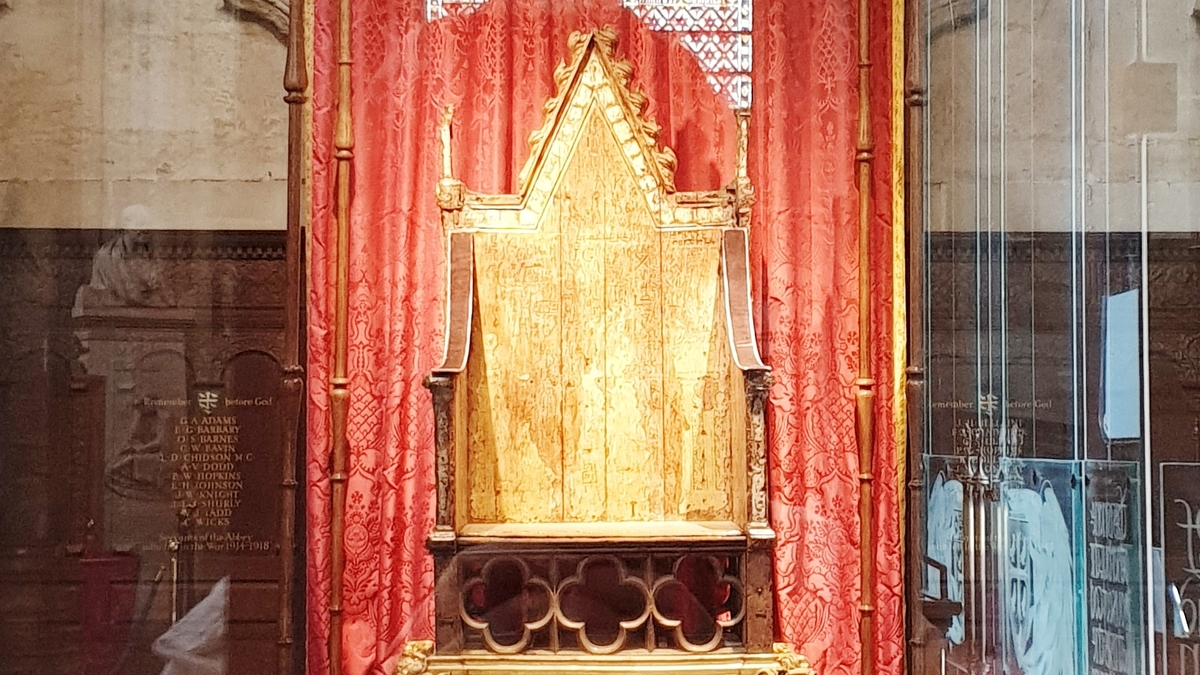
Photo by JRennocks / Wikimedia Commons / CC BY-SA 4.0
1. Executive Summary
The history of the British monarchy is both a story of royal power becoming stronger and a story of that power being transferred into law, Parliament, empire, media, and public service. The monarch is still Head of State, but legislation belongs to an elected Parliament. The Crown now functions less as executive power and more as continuity, ceremony, appointment, honours, diplomatic ritual, national identity, and Commonwealth symbolism. 出典: The Royal Family, The role of the Monarchy describes the UK as a constitutional monarchy in which the ability to make and pass legislation resides with elected Parliament.
Three turns matter most. First, Anglo-Saxon kingship and the Norman Conquest created a stronger monarchy built around land, war, taxation, and the Church. Second, Magna Carta, Parliament, civil war, the Glorious Revolution, and the Bill of Rights constrained royal power under law and parliamentary authority. Third, from the Victorian period onward, the monarch became less a direct ruler and more a symbol of empire, national unity, wartime endurance, welfare-state continuity, and the postwar Commonwealth.
       timeline
  title Turning points in monarchy
  924 : Athelstan
  1066 : Norman Conquest
  1215 : Magna Carta
  1649 : Monarchy abolished
  1689 : Bill of Rights
  1837 : Victoria
  1939 : Wartime monarchy
  1952 : Elizabeth II
  2022 : Charles III
2. Origins
The British monarchy did not begin as the modern United Kingdom. Its early foundation lies in the gradual consolidation of Anglo-Saxon kingdoms. The Royal Family’s historical material places Athelstan in the line of kings from 924 to 939. At this stage, kingship was not modern headship of state; it was military leadership, landholding, church patronage, tribute, and justice. 出典: The Royal Family, Anglo Saxon Kings summarizes the early English royal line through the Anglo-Saxon kings.
The Norman Conquest in 1066 changed the character of monarchy. William I used confiscated land, castles, feudal military obligations, church appointments, and the Domesday survey to build a regime in which the king controlled land, force, and fiscal information. This was not merely a change of dynasty; it was a redesign of government. 出典: The Royal Family, William I ‘The Conqueror’ covers William’s coronation, castle-building, land redistribution, Domesday Book, and the Salisbury oath.
3. The Rise of Royal Power
Medieval royal power grew through war, land, justice, taxation, and the Church. But strong monarchy also produced resistance. Magna Carta in 1215 put into writing the principle that the king and his government were not above the law. It was not modern democracy, but it made the limiting of royal power by law part of the constitutional tradition. 出典: UK Parliament, Magna Carta describes Magna Carta as the first document to put into writing the principle that the king and his government were not above the law.
Parliament then developed through taxation consent, petition, aristocratic and clerical councils, and representatives of towns and counties. By the fourteenth century, Commons and Lords had emerged as separate houses. In the seventeenth century, conflict between king and Parliament became civil war. In 1649, monarchy and the House of Lords were abolished; in 1660, monarchy was restored. British monarchy therefore has a history not only of continuity, but of interruption. 出典: UK Parliament, History of the House of Lords summarizes the emergence of two Houses, the abolition of monarchy and the Lords in 1649, restoration in 1660, and parliamentary authority in 1689.
4. Constitutional Monarchy
The Bill of Rights 1689 is central to modern British monarchy. It established principles of frequent Parliaments, free elections, freedom of speech within Parliament, no taxation without Parliament’s agreement, freedom from government interference, the right of petition, and just treatment by courts. It placed monarchy inside parliamentary authority. 出典: UK Parliament, Bill of Rights 1689
The monarchy did not move toward absolutism. It was forced into a constitutional path linked to parliamentary sovereignty. The Acts of Union in 1707 created Great Britain, and the 1800 Union with Ireland created the United Kingdom framework. The monarch became the Crown of a union state, while real governing authority moved toward Parliament, Cabinet, and party government. 出典: UK Parliament, History of the House of Lords notes the 1707 and 1800 unions and their parliamentary consequences.
5. Empire and National Integration
Under Victoria, the monarchy lost direct political power while gaining symbolic reach. Victoria came to the throne in 1837 and became associated with industrial expansion, economic growth, and empire. The Royal Family’s account says direct political power moved away from the sovereign during her reign, but a monarch with prestige and mastery of political detail could still exert influence. 出典: The Royal Family, Victoria (r. 1837-1901)
Victoria was also an imperial symbol. She became Empress of India in 1877, and the jubilees of 1887 and 1897 became imperial ceremonies. The Crown was no longer the seat of daily government, but it became a visible center for industrial society, empire, and national ritual.
6. Wartime Monarchy
The two world wars recast monarchy as an institution that shared national hardship. George VI is especially important. He became king in 1936 after Edward VIII’s abdication. During the Second World War, he remained for much of the war at Buckingham Palace, which was bombed nine times. The King and Queen visited heavily bombed areas, including the East End of London, and built a close working relationship with Winston Churchill. 出典: The Royal Family, George VI records the wartime bombing of Buckingham Palace, royal visits to bombed areas, the Churchill relationship, and Buckingham Palace as a VE Day focal point.
The meaning of wartime monarchy was not that the king directly commanded policy. It was that monarchy connected parliamentary democracy with total war symbolically. By staying visible, visiting soldiers and bombed areas, and sustaining national ritual, the monarchy became a symbol of national endurance rather than only a decorative elite institution.
7. Postwar Monarchy
After the war, monarchy moved from empire to Commonwealth, and from direct imperial allegiance to symbolic association. In 1947, India and Pakistan became independent, and George VI ceased to be Emperor of India. The Commonwealth link shifted from common allegiance to the Crown to recognition of the sovereign as Head of the Commonwealth. 出典: The Royal Family, George VI
Elizabeth II acceded in 1952, and her 1953 coronation was the first televised coronation. The Royal Family says about 27 million people in Britain watched it on television and 11 million listened on radio. Monarchy became both sacred ceremony and mass-media national experience. 出典: The Royal Family, Queen Elizabeth II’s Accession and Coronation
Postwar monarchy passed through the welfare state, decolonization, the Cold War, television, scandals, polling, and social media. It has almost no direct executive power, but it maintains institutional presence through prime-ministerial appointment, State Opening, Royal Assent, honours, diplomatic ritual, charitable support, mourning, and celebration.
8. Modern Pressures on the Monarchy
Modern monarchy is judged not only through ceremony but also through finance, transparency, generational support, the behaviour of royal family members, health, and media conditions. Elizabeth II’s death was announced by Royal Communications on September 8, 2022, and Charles III was formally proclaimed at the Accession Council on September 10. This shows the modern monarchy’s combination of automatic hereditary succession and public constitutional ritual. 出典: The Royal Family, Announcement of the death of The Queen, The Royal Family, The Accession Council and Principal Proclamation
Charles III’s 2023 coronation was both a restaging of tradition and a performance of modern service and plural society. The Royal Family’s official material describes the May 6, 2023 Westminster Abbey coronation as a solemn religious service and an occasion for celebration and pageantry. The monarchy used a medieval form while speaking the language of service, continuity, and modern Britain. 出典: The Royal Family, Coronation Weekend plans announced, The Royal Family, The Coronation
Maintaining monarchy also requires money and accountability. The Royal Household’s 2024-25 financial material says the Sovereign Grant remained at £86.3 million for the fourth consecutive year, made up of £51.8 million for the Core Sovereign Grant and £34.5 million for the Buckingham Palace Reservicing Programme. The House of Commons Library notes that the Sovereign Grant rose to £137.9 million in 2026/27 and that the government intends to introduce a Sovereign Grant Bill 2026-27 to lower the Grant after the Buckingham Palace works end. 出典: The Royal Family, Financial reports 2024-25, House of Commons Library, Finances of the Monarchy
Public opinion remains broadly supportive, but not uniformly so. YouGov’s January 2026 tracker found that 60% of Britons had a positive opinion of Charles III, compared with 31% negative, and that 64% thought the UK should continue to have a monarchy. At the same time, ratings for Harry, Meghan, and Andrew were much weaker, showing that institutional support can be affected by the conduct and media presence of individual family members. 出典: YouGov, Royal family favourability trackers, January 2026
The Sussex departure shows the dual nature of monarchy as both family and public institution. The Royal Family’s official page states that the Duke and Duchess of Sussex stepped back as working members of the Royal Family in January 2020. This was not only a family dispute; it was a boundary question about who carries public funding, title, duty, and media exposure. 出典: The Royal Family, Buckingham Palace statement on The Duke and Duchess of Sussex
The 2024-25 period also showed the vulnerability of a monarchy that depends heavily on a small number of visible working royals. The Royal Household’s financial material notes that the King and the Princess of Wales began phased returns to public-facing duties following treatment for cancer during the April 2024 to March 2025 reporting period. The institution continues constitutionally, but its public visibility depends on the health and availability of specific people. 出典: The Royal Family, Financial reports 2024-25
9. How to Understand the Modern Crown
The modern Crown rests on a paradox: the monarchy is stronger when it stays away from party politics, and it is needed ceremonially because it stays away from party politics. It does not decide policy. But it makes visible that the state continues when governments change, that the United Kingdom has shared rituals, and that the Commonwealth relationship still has a symbolic center.
It is therefore not enough to say royal power disappeared. It changed form: from land and military command, to a headship of state constrained by law and Parliament, to an imperial and national symbol, to wartime endurance, to postwar public service mediated by mass media. That capacity for transformation is why the monarchy survived.
References
- The Royal Family, The role of the Monarchy
- The Royal Family, Anglo Saxon Kings
- The Royal Family, William I ‘The Conqueror’
- UK Parliament, Magna Carta
- UK Parliament, Bill of Rights 1689
- UK Parliament, History of the House of Lords
- The Royal Family, Victoria (r. 1837-1901)
- The Royal Family, George VI
- The Royal Family, Queen Elizabeth II’s Accession and Coronation
- The Royal Family, Announcement of the death of The Queen
- The Royal Family, The Accession Council and Principal Proclamation
- The Royal Family, Coronation Weekend plans announced
- The Royal Family, Financial reports 2024-25
- House of Commons Library, Finances of the Monarchy
- YouGov, Royal family favourability trackers, January 2026
- The Royal Family, Buckingham Palace statement on The Duke and Duchess of Sussex
1. エグゼクティブサマリー
イギリス王政の歴史は、「王が強くなった歴史」であると同時に、「王が自分の権力を法律、議会、帝国、メディア、公共奉仕へ移し替えて生き残った歴史」でもある。現在の英国王は国家元首だが、立法権は選挙で選ばれる議会にある。王政は行政権力そのものではなく、国家の継続性、儀礼、任命、栄典、外交儀礼、連合王国とCommonwealthの象徴として機能している。 出典: The Royal Family, The role of the Monarchy は、英国王政をconstitutional monarchyと説明し、立法権は選挙で選ばれた議会にあるとしている。
王政を理解する鍵は、三つの転換である。第一に、アングロ・サクソン諸王国からノルマン征服を経て、軍事・土地・課税・教会を握る強い王権が形成された。第二に、Magna Carta、議会、内戦、名誉革命、Bill of Rightsによって、王権が法と議会に制約された。第三に、Victoria期以降、王は直接統治者から、帝国・国民統合・福祉国家・戦時耐久・戦後Commonwealthの象徴へ変わった。
       timeline
  title 英国王政の転換点
  924 : Athelstan
  1066 : ノルマン征服
  1215 : Magna Carta
  1649 : 王政廃止
  1689 : 権利章典
  1837 : Victoria即位
  1939 : 戦時王政
  1952 : Elizabeth II
  2022 : Charles III
2. 王政の誕生
「イギリス王政」は最初から現在の連合王国として生まれたわけではない。初期の基層は、アングロ・サクソン諸王国が統合されていく過程にある。The Royal Familyの王室史は、Athelstanを924-939年の王として位置づけ、その後のイングランド王統へつなげている。ここでは、王はまだ近代国家の元首ではなく、軍事指導者、土地支配者、教会保護者、貢納と裁判の中心だった。 出典: The Royal Family, Anglo Saxon Kings は、初期イングランド王統をアングロ・サクソン諸王から整理している。
1066年のノルマン征服は、王政の性格を決定的に変えた。William Iは征服後、土地没収、城郭建設、封建的軍役、教会人事、Domesday調査を通じて、王が土地・軍事・課税情報を握る体制を作った。これは単なる王朝交代ではなく、統治装置の再設計だった。 出典: The Royal Family, William I ‘The Conqueror’ は、1066年の戴冠、城郭建設、土地配分、Domesday Book、Salisbury oathを王権強化の一部として説明している。
3. 王権の興隆
中世の王権は、軍事、土地、裁判、課税、教会との関係を通じて強まった。だが、強い王権は同時に抵抗も生む。1215年のMagna Cartaは、王と政府が法の上にいないという原理を文書化した。これは近代民主主義そのものではないが、王権が「法律によって制限されうる」ことを制度史に刻んだ。 出典: UK Parliament, Magna Carta は、Magna Cartaを「king and his government was not above the law」という原理を書面化したものと説明している。
その後、議会は課税同意、請願、貴族・聖職者・都市・州代表の集まりとして発展した。14世紀にはCommonsとLordsが分かれ、17世紀には内戦を通じて王と議会の主権争いが爆発する。1649年には王政とHouse of Lordsが廃止され、1660年に王政復古が起きた。つまり、英国王政は一度「終わった」経験を持つ。 出典: UK Parliament, History of the House of Lords は、14世紀の二院分化、1649年の王政・上院廃止、1660年の復古、1689年の議会権威確立を整理している。
4. 立憲化
1689年のBill of Rightsは、近代英国王政を理解する中心文書である。頻繁な議会、自由選挙、議会内言論の自由、課税に議会同意が必要であること、政府干渉からの自由、請願権、裁判上の公正などを含み、王権を議会権威の内側へ置いた。 出典: UK Parliament, Bill of Rights 1689 は、Bill of Rightsがfrequent parliaments、free elections、freedom of speech within Parliament、no taxation without Parliament’s agreementなどを確立したと説明している。
ここで王政は、絶対王政へ向かう道ではなく、議会主権と結びつく道を選ばされる。1707年のActs of UnionはイングランドとスコットランドをGreat Britainに統合し、1800年のUnion with IrelandはUnited Kingdomを形成した。王は連合国家の冠となるが、実際の統治は議会・内閣・政党政治へ移る。 出典: UK Parliament, History of the House of Lords は、1707年と1800年のUnionが単一議会を形成したと説明している。
5. 帝国と国民統合の王政
Victoria期には、王政は直接権力を失いながら、象徴力を強めた。Victoriaは1837年に即位し、産業拡大、経済発展、帝国の時代と結びついた。The Royal Familyの説明では、彼女の時代に主権者の直接政治権力は低下したが、高い威信と政治細部への理解を持つ君主は重要な影響力を行使できた。 出典: The Royal Family, Victoria (r. 1837-1901) は、Victoria期にmodern idea of the constitutional monarchが発展したと説明している。
Victoriaは、帝国の象徴でもあった。1877年にEmpress of Indiaとなり、1887年と1897年のJubileeは帝国規模の儀礼となった。ここで王政は、議会政府の上に君臨する支配者ではなく、産業国家・帝国・国民儀礼を束ねる視覚的中心になった。
6. 戦時中の王政
第一次世界大戦と第二次世界大戦は、王政を「国民と苦難を共有する制度」として再構成した。とくにGeorge VIの時代が重要である。彼はEdward VIIIの退位を受けて1936年に即位し、第二次世界大戦中は多くの期間をBuckingham Palaceに留まり、宮殿は9回爆撃された。国王夫妻はロンドンEast Endなど爆撃被害地を訪れ、Winston Churchillと緊密に協力した。 出典: The Royal Family, George VI は、Buckingham Palaceが戦時中9回爆撃されたこと、国王夫妻が被爆地を訪問したこと、Churchillとの関係、VE Dayで宮殿が祝賀の中心となったことを記す。
戦時王政の意味は、王が軍を直接指揮したことではない。むしろ、議会制民主主義と総力戦を象徴的に結びつけたことにある。王室が避難せず、被災地を訪れ、兵士を訪問し、国家儀礼を維持したことで、王政は「支配階級の飾り」ではなく「国民的耐久の象徴」として再評価された。
7. 戦後の王政
戦後、王政は帝国からCommonwealthへ、直接支配から象徴的連携へ移った。George VIの時代には、1947年にIndiaとPakistanが独立し、彼はEmperor of Indiaではなくなった。Commonwealthの結びつきも、Crownへの共通忠誠から、SovereignをHead of the Commonwealthとして認める関係へ変化した。 出典: The Royal Family, George VI は、1947年のIndia and Pakistan独立後、Commonwealthの結びつきが共通忠誠ではなくHead of the Commonwealth承認へ変わったと説明している。
Elizabeth IIは1952年に即位し、1953年の戴冠式は初めてテレビで放送された。英国だけで約2700万人がテレビで視聴し、1100万人がラジオで聞いたとされる。ここで王政は、神聖な儀式であると同時に、マスメディア上の国民的経験になった。 出典: The Royal Family, Queen Elizabeth II’s Accession and Coronation は、1952年即位、1953年戴冠、初のテレビ放送、英国での視聴規模を説明している。
戦後王政は、福祉国家、脱植民地化、冷戦、テレビ、スキャンダル、世論調査、SNSをくぐり抜けた。直接権力はほぼ持たないが、首相任命、State Opening、Royal Assent、栄典、外交儀礼、慈善支援、追悼と祝賀の国家儀礼を通じて、制度的存在感を維持している。
8. 現代王政の圧力
現代王政は、儀礼だけでなく、財政、透明性、世代別支持、王室メンバーの行動、健康問題、メディア環境によって評価される。Elizabeth IIの死去は2022年9月8日にRoyal Communicationsから発表され、Charles IIIは同月10日のAccession Councilで正式に国王として宣言された。これは世襲の自動継承と、公的儀礼による承認が結びつく現代王政の典型例である。 出典: The Royal Family, Announcement of the death of The Queen, The Royal Family, The Accession Council and Principal Proclamation
Charles IIIの2023年戴冠は、伝統の再演であると同時に、現代的な奉仕と多宗教社会への適応の演出だった。王室公式ページは、2023年5月6日のWestminster Abbeyでの戴冠式を、厳粛な宗教儀礼であり祝賀とページantryの機会として説明する。ここで王政は、中世から続く戴冠の形式を使いながら、現代英国の多元性と公共奉仕を語る。 出典: The Royal Family, Coronation Weekend plans announced, The Royal Family, The Coronation
一方で、王政の維持には費用と説明責任が伴う。Royal Householdの2024-25年財務資料では、Sovereign Grantは4年連続で86.3百万ポンドに据え置かれ、そのうち51.8百万ポンドがcore grant、34.5百万ポンドがBuckingham Palace reservicingに充てられた。House of Commons Libraryは、2026/27年のSovereign Grantが137.9百万ポンドへ上がり、政府がBuckingham Palace工事後にGrantを下げるSovereign Grant Bill 2026-27を導入する意向だと整理している。 出典: The Royal Family, Financial reports 2024-25, House of Commons Library, Finances of the Monarchy
世論面では、王政はなお多数派の支持を得ているが、支持は一枚岩ではない。YouGovの2026年1月調査では、Charles IIIに好意的な英国人は60%、否定的は31%、英国は王政を維持すべきだと考える人は64%だった。同時に、HarryとMeghan、Andrewをめぐる評価は低く、王室全体の支持は個々のメンバーの振る舞いに左右される。 出典: YouGov, Royal family favourability trackers, January 2026
Sussex離脱は、現代王政が「家族」と「公務員的制度」の二重性を持つことを示した。Royal Family公式ページは、The Duke and Duchess of Sussexが2020年1月にworking membersを退いたと整理している。これは単なる家族問題ではなく、誰が公費・称号・公務・メディア露出を担うのかという制度境界の問題だった。 出典: The Royal Family, Buckingham Palace statement on The Duke and Duchess of Sussex
2024-25年には、国王とPrincess of Walesががん治療後に公務へ段階的に戻ったことも、現代王政の脆弱性を示した。Royal Householdの財務資料は、2024年4月から2025年3月の期間に両者が治療後のpublic-facing dutiesへ段階的に戻ったと記す。王政は制度として継続するが、実際の可視性は少数のworking royalsの健康と稼働に依存している。 出典: The Royal Family, Financial reports 2024-25
9. 現代の王政をどう見るか
現代の英国王政は、強いほど政治から離れ、政治から離れるほど国家儀礼で必要とされるという逆説の上にある。王が政策を決める制度ではない。だが、政府が変わっても国家が続くこと、連合王国が一つの政治共同体として儀礼を持つこと、Commonwealthと歴史的関係を維持することを可視化する制度である。
したがって、英国王政を理解するには、王の権力が消えたと見るだけでは不十分である。王権は、土地と軍事の支配から、法と議会に制限された国家元首へ、さらに帝国と国民統合の象徴へ、戦時の耐久の象徴へ、戦後のメディア化された公共奉仕へと姿を変えた。その変身能力こそが、王政が今に至った理由である。
参考情報
- The Royal Family, The role of the Monarchy
- The Royal Family, Anglo Saxon Kings
- The Royal Family, William I ‘The Conqueror’
- UK Parliament, Magna Carta
- UK Parliament, Bill of Rights 1689
- UK Parliament, History of the House of Lords
- The Royal Family, Victoria (r. 1837-1901)
- The Royal Family, George VI
- The Royal Family, Queen Elizabeth II’s Accession and Coronation
- The Royal Family, Announcement of the death of The Queen
- The Royal Family, The Accession Council and Principal Proclamation
- The Royal Family, Coronation Weekend plans announced
- The Royal Family, Financial reports 2024-25
- House of Commons Library, Finances of the Monarchy
- YouGov, Royal family favourability trackers, January 2026
- The Royal Family, Buckingham Palace statement on The Duke and Duchess of Sussex