Published
-
Taiwan history and cross-strait relations
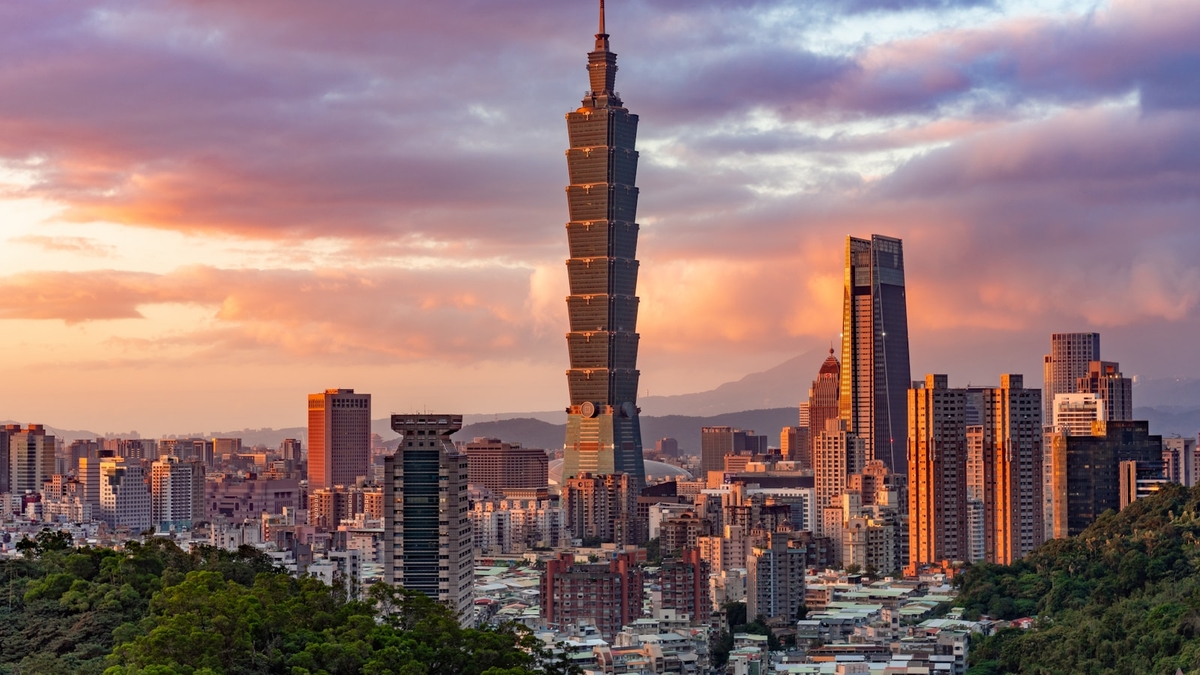
Photo by Timo Volz on Unsplash
1. Executive Summary
Taiwan is not just an “island in conflict with China.” It has multiple historical layers: the Dutch and Spanish powers since the 17th century, the Zheng family government, Qing Dynasty rule, Japanese rule, postwar rule by the Republic of China, separation from the People’s Republic of China since 1949, and democratization since 1987. Currently, Taiwan is a democratic government with a de facto independent government, military, currency, and electoral system, and is not widely recognized as a member state of the United Nations. Source note: The Taiwanese government’s history page explains that since 1949, “Taiwan and China have been under different governments,” and that the PRC has never ruled Taiwan. Reference: Taiwan.gov.tw, History. On the contrary, the Chinese government has clearly stated its position in its 2022 White Paper that “Taiwan is part of China.” Reference: PRC State Council, The Taiwan Question and China’s Reunification in the New Era. Taiwan’s international importance can be summarized into three things. First, it is the core of semiconductors, especially advanced logic foundries. Second, the Taiwan Strait is a major route for global maritime trade. Third, it is the focus of military, technological, and alliance politics in the US-China competition. The Taiwan emergency is not just a regional conflict, but simultaneously shakes supply chains, financial markets, alliance credibility, and international order. Source note: Taiwan’s statistics authority estimates the real GDP growth rate in 2025 to be 8.68%, accounting for exports supported by demand for emerging technologies such as AI, and expanded production of semiconductors, computers, and electro-optical products. Reference: DGBAS, GDP Preliminary Estimate for 2025Q4. CSIS estimates that as of 2022, approximately $2.45 trillion, or more than one-fifth of global maritime trade, will have passed through the Taiwan Strait. Reference: CSIS, Disruptions to Trade in the Taiwan Strait.
2. The flow of history
       timeline
    title Key turning points in Taiwanese history
    1624 : Dutch base
    1662 : Kingdom of Tungning
    1683 : Qing rule
    1895 : Japanese rule begins
    1945 : ROC rule begins
    1949 : ROC government relocates
    1987 : Martial law lifted
    1996 : Direct presidential election
    2024 : Lai Ching-te administration
It would be misleading to view Taiwan’s history only as “a part of Chinese history” or as “an island completely unrelated to China.” Based on an indigenous society, from the 17th century onwards, outside forces and Han people immigrated to the country, and in 1885 it became a province of the Qing Dynasty, and it experienced Japanese rule from 1895 to 1945. After 1945, Taiwan was ruled by the Republic of China, and as a result of the Communist Civil War in 1949, the Republic of China government moved to Taiwan. This is where the prototype for the current issue was born. Source note: The chronology of Taiwan’s government includes major milestones as Dutch base in 1624, Zheng Chenggong in 1662, Qing Dynasty rule in 1683, Taiwan province in 1885, Treaty of Shimonoseki in 1895, and transfer of ROC government and martial law in 1949. Reference: Taiwan.gov.tw, History. After the war, Taiwan’s political system shifted from a long period of authoritarianism to democracy. After the February 28 Incident in 1947, martial law from 1949 to 1987, and the White Terror, it led to the lifting of martial law in 1987, the abolition of temporary provisions in 1991, the direct election of the president in 1996, and the change of government in 2000. Taiwan’s current political legitimacy rests not only on the continuation of the Republic of China’s constitution, but also on repeated elections by Taiwanese residents. Source note: Taiwan’s government chronology lists the lifting of martial law in 1987, full re-election in 1991-1992, the first direct presidential election in 1996, and the first change of government between political parties in 2000 as milestones in democratization. Reference: Taiwan.gov.tw, History.
3. Relationship with China
The core of China-Taiwan relations lies in the mismatch between the “claims of sovereignty” and the “facts of governance” over Taiwan. The Chinese government regards Taiwan as part of China and regards national unification as its historical mission. Taiwan explains that the Republic of China government effectively rules Taiwan and the surrounding islands, and that the PRC has never ruled Taiwan. These two terms are not just a difference in language; they affect participation in international organizations, military operations, diplomatic recognition, and economic exchanges. Source note: The Chinese government’s 2022 White Paper states that Taiwan is part of China and aims to achieve national unification. Reference: PRC State Council, 2022 Taiwan White Paper. The Taiwanese government explains that the ROC has ruled Taiwan and other areas since 1949, and that the PRC does not govern the ROC-administered areas. Reference: Taiwan.gov.tw, History.
       flowchart LR
    Taiwan["Taiwan: effective control"]
    PRC["China: unification goal"]
    US["US: deterrence support"]
    StatusQuo["Status quo"]

    Taiwan --> StatusQuo
    PRC --> StatusQuo
    US --> StatusQuo
Practical stability has been achieved through a combination of ambiguity and deterrence rather than complete agreement. Taiwan will strengthen its own democratic politics and defense capabilities. China will pursue unification goals and maintain military, diplomatic, and economic pressure. While the United States does not officially recognize Taiwan as a nation, it provides defense equipment based on the Taiwan Relations Act and opposes changes to the status quo through force or coercion.
4. Major industries
The core of Taiwan’s economy is the ICT manufacturing industry, with semiconductors at the top. In 2025, exports and manufacturing will grow significantly due to the demand for AI, and DGBAS estimates the real GDP growth rate for the whole of 2025 to be 8.68%. Growth in the manufacturing industry is supported by increased production of semiconductors, computers, and electronic and optical products. Source note: DGBAS explains that the manufacturing industry will grow by 24.68% year-on-year in the fourth quarter of 2025, mainly due to expansion in semiconductors, computers, and electronic and optical products. Reference: DGBAS, GDP Preliminary Estimate for 2025Q4. The main industries can be classified as follows.
| Industry | Position | International-political role |
|---|---|---|
| Semiconductor manufacturing | Mature nodes such as advanced logic foundries centered on TSMC and UMC | Directly connected to AI, smartphones, data centers, automobiles, and defense industries |
| IC design/electronic components | MediaTek, Realtek, electronic components/substrates/packaging | Combining with US fabless companies and electronic equipment companies around the world |
| ICT equipment/EMS | Contract manufacturing of PCs, servers, network equipment, and electronic equipment | Involved in the supply network for AI servers and cloud investment |
| Precision machinery/machine tools | Semiconductor equipment peripherals, industrial machinery, automation | Supporting the base of the manufacturing industry |
| Petrochemicals and materials | Plastics, chemicals, and materials supply | Electronic materials and export industry base |
| Services, finance, and logistics | Wholesale and retail, finance, transportation, and professional services | Domestic infrastructure that supports manufacturing and trade-centered economies |
| The importance of TSMC is not simply that there is a large company in Taiwan. TSMC is a central company that has established a division of labor model in which fabless companies design and specialized foundries manufacture, and is also linked to the competitiveness of US companies such as NVIDIA, Apple, and AMD. This interdependence embeds Taiwan in both U.S. industrial and security policy. | ||
| Source note: CSIS notes that Taiwan’s semiconductor industry is integrated into U.S. consumer electronics, automotive, AI, and dual-use technologies, and explains that TSMC’s pure-play foundry model supported the growth of U.S. fabless companies. Reference: CSIS, Silicon Island. TSMC itself describes its pure-play foundry business and global customer base in its 2025 annual report. Reference: TSMC 2025 Annual Report. |
5. Importance in international politics
Taiwan’s importance can be better understood by understanding it on three levels: geopolitics, technology, and institutions. First, the Taiwan Strait is a maritime traffic route in East Asia. The Taiwan emergency affects not only Taiwan and China, but also the logistics of companies in Japan, South Korea, Southeast Asia, the United States, and Europe. CSIS estimates that approximately $2.45 trillion in cargo will pass through the Taiwan Strait in 2022, representing more than one-fifth of global maritime trade. Since China’s own imports and exports are heavily dependent on the Taiwan Strait, a blockade or quarantine-type crisis would also cause significant damage to the Chinese economy. Source note: Taiwan Strait trade value and China dependence are based on CSIS, Disruptions to Trade in the Taiwan Strait. Second, Taiwan is the core of the advanced semiconductor supply chain. AI, cloud, smartphones, automobiles, and defense equipment are built on a huge international division of labor across design, manufacturing equipment, materials, EDA, foundries, and advanced packaging. Among these, Taiwan occupies a position close to the bottleneck for manufacturing and mass production. For this reason, Taiwan’s stability links democratic support with the economic security of the United States and its allies. Source Note: CSIS notes that semiconductors are in almost every electronic system, and that Taiwan’s semiconductor industry supports important and emerging technology industries in the United States. Reference: CSIS, Silicon Island. Third, Taiwan is a test case for the international order. From the United States’ perspective, peace and stability in the Taiwan Strait is an issue of international concern related to “regional and global security and prosperity.” On the other hand, China views the Taiwan issue as an internal affairs and sovereignty issue. This difference in perception makes military deterrence and diplomatic crisis management difficult. Source Note: The 2022 U.S. National Security Strategy positions peace and stability in the Taiwan Strait as critical to regional and global security and prosperity and a matter of international concern. Reference: White House, National Security Strategy 2022.
6. US recognition and past statements
Although the United States’ understanding of Taiwan has changed over time, the framework of practice since 1979 has remained fairly consistent. Officially, it recognizes the PRC as China’s sole legitimate government and maintains unofficial relations with Taiwan. At the same time, the Taiwan Relations Act, three U.S.-China joint communiqués, and six guarantees will be combined to emphasize Taiwan’s self-defense capabilities and peace in the Taiwan Strait.
| Year | Remarks/Documents | Key points of US recognition |
|---|---|---|
| 1950 | Truman Statement | Following the Korean War, the 7th Fleet is ordered to prevent an attack on Taiwan. Taiwan’s future status will depend on the restoration of security in the Pacific, peace with Japan, and consideration by the United Nations. |
| 1972 | Shanghai Communiqué | The United States recognizes the position of Chinese people on both sides of the Taiwan Strait that there is “one China, and Taiwan is part of China,” and states that it will not object to this position. |
| 1979 | Taiwan Relations Act | Continued commercial and cultural relations with Taiwan even after official recognition was severed, and established a policy of providing defensive weapons and maintaining the ability to resist force and coercion. |
| 1982 | Six Guarantees | Guarantees such as not setting an end date for arms sales to Taiwan, not consulting with the PRC in advance, and not changing the US position regarding Taiwan’s sovereignty. |
| 2022 | National Security Strategy | While maintaining the one-China policy and not supporting Taiwan independence, we consider peace and stability in the Taiwan Strait to be a matter of international concern. |
| 2021-2022 | Biden Remarks | Biden has made multiple statements indicating involvement in the defense of Taiwan, but the administration has explained that this is not a change in policy. |
| Source Note: The 1950 Truman Statement is Harry S. Truman Library. The 1972 Shanghai Communiqué was AIT, Shanghai Communique. Taiwan Relations Act is AIT, Taiwan Relations Act. The six guarantees are AIT, Declassified Cables: Six Assurances. The 2022 National Security Strategy is White House, National Security Strategy. | ||
| The United States’ “One China Policy” and China’s “One China Principle” are not the same. The United States recognizes the PRC as China’s sole legitimate government, but with respect to Taiwan, it “recognized” the position of cross-strait Chinese people in the Shanghai Communiqué, and institutionalized working relations and defense assistance with Taiwan in the Taiwan Relations Act and the Six Guarantees. Therefore, US policy simultaneously includes “not recognizing Taiwan as a state” and “viewing military force and coercion against Taiwan as a problem.” | ||
| Source note: The Taiwan Relations Act states that U.S. policy is the expectation that Taiwan’s future will be determined by peaceful means, the provision of defensive weapons, and the maintenance of the ability to resist force and coercion. Reference: AIT, Taiwan Relations Act. The six guarantees include that the United States will not change its position regarding Taiwan’s sovereignty and that it will not force Taiwan to negotiate with the PRC. Reference: AIT, Six Assurances. |
7. Reading Taiwan Strait risks
There are three simplifications that should be avoided when understanding Taiwan. First, look at Taiwan only in terms of two options: “Is Taiwan part of China or an independent country?” In reality, Taiwan has a high degree of effective governance and democratic legitimacy, but international recognition is limited. Unless we understand this, we will not be able to figure out the system design for international organizations, trade, and military support. Second, decide that “because we have semiconductors, we will definitely protect the United States.” Semiconductors increase Taiwan’s strategic importance, but they also provide a reason for the United States and Japan to diversify their production. The silicon shield is both a deterrent factor and a concept that visualizes the risk of concentration in Taiwan. Third, see Taiwan as an economic problem for China. In Chinese government documents, Taiwan is talked about as an issue of national reunification, sovereignty, and national rejuvenation. The gains and losses of semiconductors and trade alone cannot sufficiently predict China’s actions.
8. Reference information
- Taiwan.gov.tw, History
- PRC State Council, The Taiwan Question and China’s Reunification in the New Era
- DGBAS, GDP Preliminary Estimate for 2025Q4
- TSMC 2025 Annual Report
- CSIS, Disruptions to Trade in the Taiwan Strait
- CSIS, Silicon Island
- AIT, Taiwan Relations Act
- AIT, Shanghai Communique
- AIT, Declassified Cables: Six Assurances
- Harry S. Truman Library, Statement by the President on the Situation in Korea
- White House, National Security Strategy 2022
1. エグゼクティブサマリー
台湾は、単なる「中国と対立する島」ではない。17世紀以降のオランダ・スペイン勢力、鄭氏政権、清朝統治、日本統治、戦後の中華民国統治、1949年以降の中華人民共和国との分断、1987年以降の民主化という複数の歴史層を持つ。現在の台湾は、事実上の独自政府、軍、通貨、選挙制度を持つ民主政体であり、同時に国連加盟国として広く承認されているわけではない。
出典: 台湾政府の歴史ページは、1949年以降「台湾と中国はそれぞれ異なる政府の統治下にある」とし、PRCが台湾を統治したことはないと説明している。参照: Taiwan.gov.tw, History。中国政府は逆に、2022年白書で「台湾は中国の一部」とする立場を明示している。参照: PRC State Council, The Taiwan Question and China’s Reunification in the New Era。台湾の国際的重要度は三つに集約できる。第一に、半導体、特に先端ロジック・ファウンドリの中核であること。第二に、台湾海峡が世界の海上貿易の主要ルートであること。第三に、米中競争における軍事、技術、同盟政治の焦点であること。台湾有事は地域紛争にとどまらず、サプライチェーン、金融市場、同盟信頼性、国際秩序を同時に揺らす。
出典: 台湾統計当局は、2025年の実質GDP成長率を8.68%とし、AIなど新興技術需要に支えられた輸出と、半導体・コンピュータ・電子光学製品の生産拡大を説明している。参照: DGBAS, GDP Preliminary Estimate for 2025Q4。CSISは2022年時点で約2.45兆ドル、世界海上貿易の5分の1超が台湾海峡を通過したと推計している。参照: CSIS, Disruptions to Trade in the Taiwan Strait。2. 歴史の流れ
       timeline
    title 台湾史の主要転換点
    1624 : オランダ拠点
    1662 : 鄭氏政権
    1683 : 清朝支配
    1895 : 日本統治へ
    1945 : ROC統治開始
    1949 : ROC政府移転
    1987 : 戒厳令解除
    1996 : 総統直接選挙
    2024 : 頼清徳政権
台湾史は「中国史の一部」とだけ見ても、「完全に中国と無関係な島」とだけ見ても理解を誤る。先住民社会を基層に、17世紀以降に外部勢力と漢人移住が重なり、1885年に清朝の省となり、1895年から1945年まで日本統治を経験した。1945年以降は中華民国が統治し、1949年の国共内戦の結果、中華民国政府が台湾へ移った。ここで現在の争点の原型ができた。
出典: 台湾政府の年表は、1624年オランダ拠点、1662年鄭成功、1683年清朝支配、1885年台湾省、1895年下関条約、1949年ROC政府移転と戒厳令を主要節目としている。参照: Taiwan.gov.tw, History。戦後台湾の政治体制は、長期の権威主義から民主主義へ移った。1947年の二・二八事件、1949年から1987年までの戒厳令、白色テロを経て、1987年の戒厳令解除、1991年の臨時条項廃止、1996年の総統直接選挙、2000年の政権交代に至る。現在の台湾の政治的正統性は、単に中華民国憲法の継続だけでなく、台湾住民による反復的な選挙にも依拠している。
出典: 台湾政府年表は、1987年の戒厳令解除、1991年から1992年の全面改選、1996年の初の直接総統選挙、2000年の初の政党間政権交代を民主化の節目として記載している。参照: Taiwan.gov.tw, History。3. 中国との関係
中台関係の核心は、台湾をめぐる「主権の主張」と「統治の事実」が一致していない点にある。中国政府は、台湾を中国の一部とし、国家統一を歴史的任務と位置づける。台湾側は、中華民国政府が台湾と周辺島嶼を実効統治しており、PRCは台湾を統治したことがないと説明する。この二つは単なる言葉の違いではなく、国際機関参加、軍事行動、外交承認、経済交流のすべてに影響する。
出典: 中国政府2022年白書は、台湾が中国の一部であり、国家統一を実現するという立場を示す。参照: PRC State Council, 2022 Taiwan White Paper。台湾政府は、1949年以降、ROCが台湾等を統治し、PRCはROC統治地域を統治していないと説明する。参照: Taiwan.gov.tw, History。flowchart LR
Taiwan["台湾: 実効統治"]
PRC["中国: 統一目標"]
US["米国: 抑止支援"]
StatusQuo["現状維持"]
Taiwan --> StatusQuo
PRC --> StatusQuo
US --> StatusQuo台湾海峡の安定は、完全な合意ではなく、曖昧さと抑止の組み合わせで成立してきた。台湾は独自の民主政治と防衛能力を強める。中国は統一目標を掲げ、軍事・外交・経済的圧力を維持する。米国は台湾を国家として正式承認しない一方、台湾関係法に基づいて防衛装備を提供し、武力・威圧による現状変更に反対する。
4. 主要産業
台湾経済の中核は、半導体を頂点とするICT製造業である。2025年はAI需要により輸出と製造業が大きく伸び、DGBASは2025年通年の実質GDP成長率を8.68%とした。製造業の伸びは半導体、コンピュータ、電子・光学製品の生産拡大に支えられている。
出典: DGBASは2025年第4四半期に製造業が前年同期比24.68%成長し、半導体、コンピュータ、電子・光学製品の拡大を主因と説明している。参照: DGBAS, GDP Preliminary Estimate for 2025Q4。主要産業をリスク別に分けると、次のようになる。
| 産業 | 位置づけ | 国際政治上の意味 |
|---|---|---|
| 半導体製造 | TSMCを中心とする先端ロジック・ファウンドリ、UMCなど成熟ノード | AI、スマホ、データセンター、自動車、防衛産業に直結 |
| IC設計・電子部品 | MediaTek、Realtek、電子部品・基板・パッケージング | 米国ファブレス企業や世界の電子機器企業と結合 |
| ICT機器・EMS | PC、サーバ、ネットワーク機器、電子機器受託製造 | AIサーバとクラウド投資の供給網に関与 |
| 精密機械・工作機械 | 半導体装置周辺、産業機械、自動化 | 製造業の裾野を支える |
| 石化・素材 | プラスチック、化学品、素材供給 | 電子材料・輸出産業の基盤 |
| サービス・金融・物流 | 卸小売、金融、運輸、専門サービス | 製造・貿易中心経済を支える国内基盤 |
TSMCの重要性は、単に「台湾に大企業がある」という話ではない。TSMCはファブレス企業が設計し、専業ファウンドリが製造する分業モデルを成立させた中心企業であり、米国のNVIDIA、Apple、AMDなどの競争力とも結びついている。この相互依存が、台湾を米国の産業政策と安全保障政策の両方に組み込んでいる。
出典: CSISは、台湾の半導体産業が米国の消費者電子機器、自動車、AI、軍民両用技術に組み込まれていると整理し、TSMCの専業ファウンドリモデルが米国ファブレス企業の成長を支えたと説明している。参照: CSIS, Silicon Island。TSMC自身も、2025年年次報告書で専業ファウンドリ事業とグローバル顧客基盤を説明している。参照: TSMC 2025 Annual Report。5. 国際政治における重要度
台湾の重要度は、地政学、技術、制度の三層で理解すると見通しがよい。
第一に、台湾海峡は東アジアの海上交通路である。台湾有事は台湾と中国だけでなく、日本、韓国、東南アジア、米国、欧州企業の物流に波及する。CSISの推計では、2022年に台湾海峡を通過した貨物は約2.45兆ドルで、世界海上貿易の5分の1超に相当する。中国自身の輸出入も台湾海峡に大きく依存しているため、封鎖や検疫型の危機は中国経済にも大きな損害を与える。
出典: 台湾海峡貿易額と中国依存度は CSIS, Disruptions to Trade in the Taiwan Strait に基づく。第二に、台湾は先端半導体供給網の中核である。AI、クラウド、スマートフォン、自動車、防衛装備は、設計、製造装置、材料、EDA、ファウンドリ、先端パッケージングをまたぐ巨大な国際分業で成立している。台湾はその中でも製造・量産のボトルネックに近い位置を占める。このため、台湾の安定は「民主主義支援」だけでなく、米国と同盟国の経済安全保障そのものになっている。
出典: CSISは、半導体がほぼ全ての電子システムに入っており、台湾の半導体産業が米国の重要・新興技術産業を支えると整理している。参照: CSIS, Silicon Island。第三に、台湾は国際秩序のテストケースである。米国の立場では、台湾海峡の平和と安定は「地域・世界の安全と繁栄」に関わる国際的関心事項である。一方、中国は台湾問題を内政・主権問題と位置づける。この認識差が、軍事抑止と外交危機管理を難しくしている。
出典: 2022年の米国国家安全保障戦略は、台湾海峡の平和と安定を地域・世界の安全と繁栄に重要で、国際的関心事項であると位置づける。参照: White House, National Security Strategy 2022。6. 米国の認識と過去発言
米国の台湾認識は、時代ごとに変化したが、1979年以降の実務枠組みはかなり一貫している。正式にはPRCを中国の唯一の合法政府として承認し、台湾とは非公式関係を維持する。同時に、台湾関係法、三つの米中共同コミュニケ、六つの保証を組み合わせ、台湾の自衛能力と台湾海峡の平和を重視する。
| 年 | 発言・文書 | 米国認識の要点 |
|---|---|---|
| 1950 | トルーマン声明 | 朝鮮戦争を受け、第7艦隊に台湾攻撃阻止を命令。台湾の将来地位は太平洋の安全回復、対日講和、国連検討を待つとした。 |
| 1972 | 上海コミュニケ | 米国は、台湾海峡両岸の中国人が「一つの中国、台湾は中国の一部」とする立場を認識し、これに異議を唱えないと表現。 |
| 1979 | 台湾関係法 | 公式承認断絶後も台湾との商業・文化等の関係を継続し、防衛的性格の武器提供と、武力・威圧への抵抗能力維持を政策化。 |
| 1982 | 六つの保証 | 台湾への武器売却終了時期を定めず、PRCと事前協議せず、台湾の主権に関する米国立場を変更しない等を保証。 |
| 2022 | 国家安全保障戦略 | 一つの中国政策を維持し、台湾独立を支持しない一方、台湾海峡の平和と安定を国際的関心事項と位置づける。 |
| 2021-2022 | バイデン発言 | 台湾防衛への関与を示す発言を複数回行ったが、政権は政策変更ではないと説明した。 |
この流れで重要なのは、米国の「一つの中国政策」と中国の「一つの中国原則」は同じではない点である。米国はPRCを中国の唯一の合法政府として承認するが、台湾に関しては、上海コミュニケで両岸中国人の立場を「認識」し、台湾関係法と六つの保証で台湾との実務関係と防衛支援を制度化した。したがって、米国政策は「台湾を国家承認しない」ことと「台湾への武力・威圧を問題視する」ことを同時に含む。
出典: 台湾関係法は、台湾の将来を平和的手段で決めるという期待、防衛的武器の提供、武力・威圧への抵抗能力維持を米国政策として掲げている。参照: AIT, Taiwan Relations Act。六つの保証は、米国が台湾主権に関する立場を変更していないこと、台湾にPRCとの交渉を迫らないことを含む。参照: AIT, Six Assurances。7. 台湾海峡リスクの読み方
台湾を理解する上で避けるべき単純化は三つある。
第一に、「台湾は中国の一部か独立国か」という二択だけで見ること。現実には、台湾は高度な実効統治と民主的正統性を持つが、国際承認は限定される。ここを押さえないと、国際機関、通商、軍事支援の制度設計が見えない。
第二に、「半導体があるから米国は必ず守る」と決めつけること。半導体は台湾の戦略的重要性を高めるが、同時に米国や日本が生産分散を進める理由にもなる。シリコン・シールドは抑止要因であると同時に、台湾集中リスクを可視化する概念でもある。
第三に、「中国にとって台湾は経済問題」と見ること。中国政府文書では、台湾は国家統一、主権、民族復興の問題として語られる。半導体や貿易の損得だけでは、中国側の行動を十分に予測できない。
8. 参考情報
- Taiwan.gov.tw, History
- PRC State Council, The Taiwan Question and China’s Reunification in the New Era
- DGBAS, GDP Preliminary Estimate for 2025Q4
- TSMC 2025 Annual Report
- CSIS, Disruptions to Trade in the Taiwan Strait
- CSIS, Silicon Island
- AIT, Taiwan Relations Act
- AIT, Shanghai Communique
- AIT, Declassified Cables: Six Assurances
- Harry S. Truman Library, Statement by the President on the Situation in Korea
- White House, National Security Strategy 2022