Published
-
How to Read Types of States and Country Names
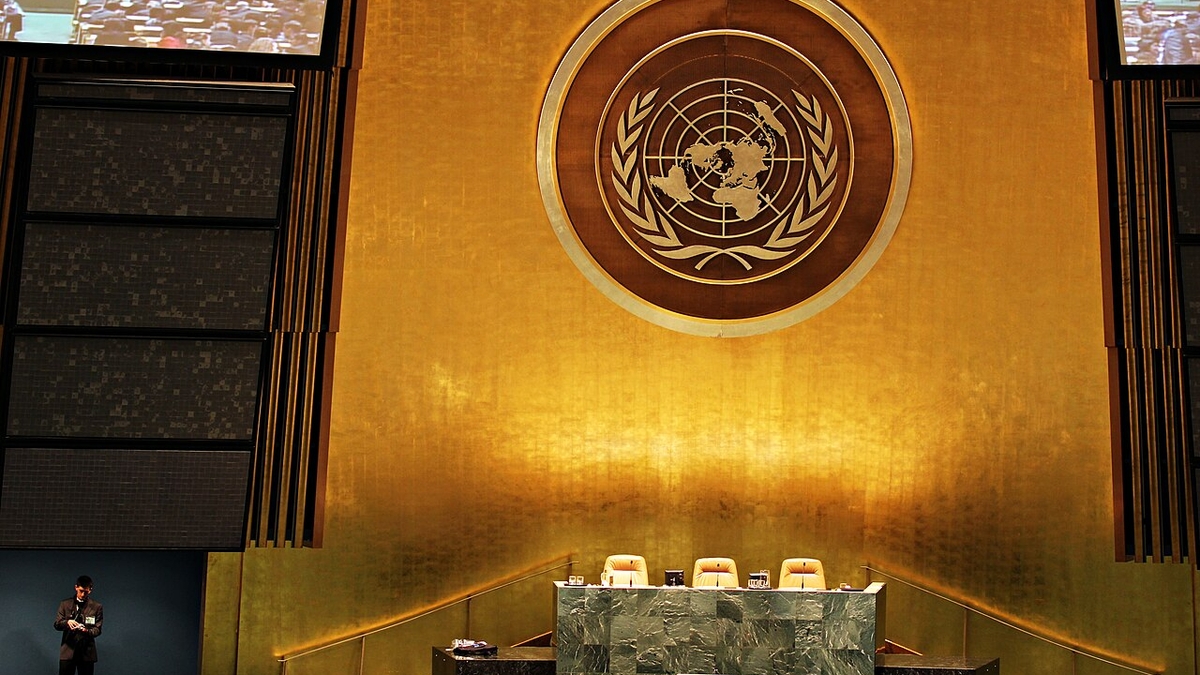
Basil D Soufi, Wikimedia Commons, CC BY-SA 3.0
How to Read Types of States and Country Names
1. Executive Summary
Words such as republic, kingdom, federal, united, people’s, democratic, Islamic, and Commonwealth do not all describe the same kind of thing. Some words describe the head of state. Others describe the relationship between the central government and territorial units. Others are ideological, historical, or diplomatic self-descriptions. Reading a country name alone as proof of democracy, independence, or federalism is therefore unreliable.
The first reading step is to separate sovereign state, UN member, statistical or sporting country, autonomous country, and official self-description. The United Nations currently has 193 Member States. If the two non-member observer states are added, the UN-centered diplomatic baseline becomes 195 entities. But the UN M49 statistical list has 248 countries or areas, the World Bank WDI covers 217 economies, the IOC recognizes 206 National Olympic Committees, and FIFA has 211 member associations. In other words, the answer to “how many countries are there?” changes unless the counting rule is stated first. 出典: United Nations, Member States and UN Member States on the Record show the current 193 members. UN, Non-Member States identifies the Holy See and the State of Palestine as non-member observer states. The statistical country-or-area list is UNSD, M49; this report checked the English Country or Area table on June 16, 2026 and counted 248 rows. World Bank WDI shows 217 economies at WDI home.
After that, read five layers separately: head of state, territorial power structure, executive system, ideological language, and international legal status. A republic usually lacks a hereditary monarch, but that does not guarantee democracy. A kingdom or constitutional monarchy can still be a parliamentary democracy. Federal and united terms usually speak to central-local authority, not to whether a country has a monarch. People’s Republic and Democratic People’s Republic are often political self-descriptions, not evidence of competitive elections.
       flowchart TD
  A["Country name"] --> B["Statehood status"]
  B --> C["Head of state"]
  C --> D["Territorial structure"]
  D --> E["Executive system"]
  E --> F["Separate name and reality"]
The bottom line is simple. A country name is not just a map label; it is a compressed claim about how the state describes itself. But that claim does not automatically prove institutional reality, democratic quality, human-rights conditions, or the degree of international recognition.
2. Counting Countries by Definition
The narrowest standard answer is 193: the current number of UN Member States. That is the cleanest diplomatic baseline. Yet it is not the whole map of state-like entities. The UN General Assembly also has two non-member observer states, the Holy See and the State of Palestine. If UN seating is the starting point, the first useful baseline is therefore 195 entities: 193 members plus two observer states.
Statistics, trade, sport, and autonomy systems use broader units. Overseas territories, autonomous territories, special administrative regions, constituent countries, limited-recognition entities, and non-self-governing territories may appear as separate units in data or sports governance even when they are not separate UN Member States. The following table shows how far the word country can stretch.
| Counting frame | Count | What is counted | How to read it |
|---|---|---|---|
| UN Member States | 193 | Members under the UN Charter | Standard count of sovereign states |
| UN Member States + observer states | 195 | 193 members + Holy See + State of Palestine | Wider diplomatic count of state-like entities |
| UN M49 countries or areas | 248 | Country and area codes used by the UN Statistics Division | Statistical units, not recognition decisions |
| World Bank WDI economies | 217 | Economies used in World Bank data series | Economic data units |
| IOC National Olympic Committees | 206 | NOCs recognized in the Olympic Movement | Sporting representation units |
| FIFA member associations | 211 | Football association membership units | States, territories, and regional associations mixed |
| UN Non-Self-Governing Territories | 17 | Territories treated by the UN as not yet fully self-governing | Decolonization category, not independent-state count |
| Commonwealth members | 56 | Independent and equal Commonwealth countries | Voluntary association, mostly former British Empire links |
| Commonwealth realms | 15 | Independent countries sharing the British monarch | Independent states sharing the same monarch |
The distribution shows three layers. First, there is a core diplomatic and international-law layer: the 193 UN Member States. Second, there is a surrounding political layer of observer states, limited-recognition entities, and non-self-governing territories. Third, there is an institutional layer in which M49, WDI, the IOC, and FIFA count countries or areas for purposes other than recognition.
Formal country-name words also vary widely. The UN official country-name materials include Republic, Kingdom, State, Federal Republic, Islamic Republic, People’s Democratic Republic, Principality, Sultanate, Emirates, and other terms. These words are clues to institutional history and self-description, but they are not measures of democracy or autonomy. Republic helps identify the absence of a monarch, but it does not prove competitive elections. Kingdom identifies a monarch, but it does not tell you whether the monarchy is constitutional or absolute. 出典: Formal country names were checked against the UN DGACM official names of countries PDF. The term grouping here is a reading guide for names, not a governance-quality rating.
3. Split the Name into Six Axes
Country-name terms are easier to read when split into six axes.
| Axis | Common words | What the axis tells you |
|---|---|---|
| International legal status | State, sovereign state, observer state, territory | Whether the entity is an independent state, constituent unit, or territory |
| Head of state | Republic, Kingdom, Principality, Sultanate, Emirate | Whether there is a hereditary monarch |
| Territorial power structure | Federal, United States, Federation, Confederation | How power is divided between the center and territorial units |
| Executive system | Parliamentary, Presidential, Semi-presidential | Who holds executive authority and how it relates to the legislature |
| Ideology and legitimacy | Democratic, People’s, Socialist, Islamic, Arab | The state’s political, religious, revolutionary, or national self-description |
| Historical composition | Commonwealth, United Kingdom, Union | How multiple kingdoms, states, colonies, or territories came together |
The important point is that one country name can contain several axes at once. Federal Republic combines a republican head-of-state claim with federal territorial structure. United Kingdom is a kingdom with multiple constituent parts, but it is not a federation like the United States or the UAE. Democratic People’s Republic combines democratic, people’s, and republic language, but the name alone does not prove free elections or separation of powers.
Government systems also need to be separated from labels. The Australian Parliamentary Education Office lists monarchy, dictatorship, oligarchy, theocracy, and one-party rule as forms of government outside democracy. 出典: The Australian Parliamentary Education Office, Apart from democracy what other forms of governments are there?, gives a concise classification of non-democratic government forms.
4. Sovereign State and UN Status
The first question is not whether something is casually called a country, but whether it is a state in international-law terms. The classic entry point is Article 1 of the Montevideo Convention, which lists a permanent population, a defined territory, government, and capacity to enter into relations with other states. This is not a complete decision rule for every modern status dispute, but it remains a useful starting point for thinking about statehood. 出典: Montevideo Convention on the Rights and Duties of States Article 1 lists permanent population, defined territory, government, and capacity to enter into relations with other states.
Statehood, recognition, and UN membership are related but not identical. There are 193 UN Member States. There are also non-member observer states: the Holy See and the State of Palestine. UN status is a major clue to international standing, but it does not erase the political disputes surrounding recognition and territory. 出典: The UN pages on Non-Member States and the observer status FAQ identify the Holy See and the State of Palestine as non-member observer states.
Not everything called a country is a sovereign state. England, Scotland, Wales, and Northern Ireland may be called countries in ordinary language, but they are constituent parts of the United Kingdom, not separate UN Member States. The UK government’s toponymic guidelines describe the United Kingdom as consisting of England, Scotland, Wales, and Northern Ireland, with devolved administrative structures in Scotland, Wales, and Northern Ireland. 出典: GOV.UK, Toponymic guidelines, explains the four constituent parts of the United Kingdom and the devolution pattern.
5. Republic Does Not Mean Democracy
A republic is normally a state without a hereditary monarch as head of state. The head of state may be a president, a state chair, a collective organ, or another non-hereditary institution. The word is useful when distinguishing a state from a monarchy.
But republic is not a synonym for democracy. Republic, People’s Republic, Democratic Republic, and Socialist Republic do not automatically indicate competitive elections, press freedom, separation of powers, or rights protection. Conversely, constitutional monarchies such as the United Kingdom, Japan, and the Netherlands can operate as parliamentary democracies.
The Democratic People’s Republic of Korea shows why the distinction matters. Its formal English name contains democratic, people’s, and republic language, but Australia’s Department of Foreign Affairs and Trade describes it as a highly centralised totalitarian state. The word democratic in the name is therefore a self-description, not evidence of institutional democracy. 出典: Australia DFAT, DPRK country brief, describes the DPRK as a highly centralised totalitarian state.
| Term | First reading | Main caution |
|---|---|---|
| Republic | No hereditary monarch | Not necessarily democratic |
| Federal Republic | Republic plus federal structure | Two axes are combined |
| People’s Republic | Popular, revolutionary, or socialist legitimacy | Does not prove pluralism |
| Democratic Republic | Claims democratic republican identity | Reality must be checked separately |
| Islamic Republic | Republic with Islamic legitimacy in the state design | Religious institutions differ by country |
6. Kingdoms and Constitutional Monarchies
A kingdom has a king or queen as a hereditary head of state. The real political power of the monarch varies widely. In a constitutional monarchy, the monarch’s authority is constrained by the constitution, conventions, parliament, and cabinet. In an absolute monarchy, the monarch holds much more direct governing power.
Japan is a frequent source of confusion. Its official English country name is Japan, not Kingdom of Japan. But Japan is also not a republic. Article 1 of the Constitution of Japan defines the Emperor as the symbol of the state and of the unity of the people, deriving his position from the will of the people with whom sovereign power resides. Article 4 states that the Emperor performs only constitutional acts in matters of state and has no powers related to government. Japan is therefore best read as a parliamentary state with popular sovereignty and a symbolic hereditary Emperor. 出典: Japanese Law Translation, The Constitution of Japan provides the bilingual constitutional text. Articles 1, 3, and 4 define the symbolic status of the Emperor, cabinet advice and approval, and the absence of governmental powers.
Commonwealth Realm is another term that is often confused with colonial status. The current King is sovereign of 14 Commonwealth realms in addition to the United Kingdom, and the Commonwealth itself is a voluntary association of 56 independent countries. Canada, Australia, and New Zealand are not British colonies; they are independent states that share the same person as their monarch. 出典: The Royal Family page, The Commonwealth, states that the King is sovereign of 14 Commonwealth realms in addition to the UK and that the Commonwealth is a voluntary association of 56 independent countries. The Commonwealth Secretariat, About us, also describes the association as 56 independent and equal countries.
7. Federation, United States, and Unitary State
Federal, United States, and Federation terms speak to the relationship between the central government and territorial units. They do not tell you whether the state is a monarchy or a republic. The United States, Germany, India, Brazil, Australia, and the UAE all have federal features, but their institutions differ.
A unitary state places sovereign legislative authority primarily at the center. It may still have local autonomy or devolution, but those territorial units do not have the same constitutional position as states in a federation. Japan, France, and South Korea can broadly be read as unitary states.
Some unitary or monarchy-based systems are still complex. The United Kingdom has four constituent parts and devolved institutions. The Kingdom of the Netherlands includes the European Netherlands as well as Aruba, Curaçao, and St Maarten as countries within the Kingdom, while Bonaire, St Eustatius, and Saba are special municipalities of the Netherlands. Foreign relations, defence, and Dutch nationality law sit at the Kingdom level, while many domestic policy areas are handled by the individual countries. 出典: The Dutch government page, Responsibilities of the Netherlands, Aruba, Curaçao and St Maarten, separates Kingdom-level responsibilities from country-level policy responsibilities.
| Word | Practical reading | Examples |
|---|---|---|
| Federal Republic | Republic plus federation | Germany, Nigeria, Brazil |
| United States | State units joined into one state | United States, Mexico |
| Federation | Federal state with constituent units | Russia, Malaysia |
| United Kingdom | Kingdom with multiple constituent parts | United Kingdom |
| Unitary state | Central authority is primary | Japan, France, South Korea |
8. Reading People’s, Democratic, Islamic, and Socialist
People’s, Democratic, Islamic, Socialist, and Arab are often legitimacy words rather than precise institutional classifications. They place revolution, anti-colonial history, religion, nationhood, socialism, or popular sovereignty into the formal name.
These words should always be read separately from institutional reality. People’s Republic of China, Lao People’s Democratic Republic, Democratic People’s Republic of Korea, Islamic Republic of Iran, and Socialist Republic of Viet Nam have different political systems, governing practices, and diplomatic positions. Putting them in the same box because of one word in the name obscures more than it explains.
The UN official country-name list includes Republic, Kingdom, State, People’s Democratic Republic, Islamic Republic, Socialist Republic, and Principality among formal names. That is a naming record, not an assessment of political freedom or governance quality. 出典: The UN DGACM official names of countries PDF shows how formal country names mix Republic, Kingdom, State, People’s Democratic Republic, Islamic Republic, and other terms.
9. Ten Representative Special Cases
Special case does not mean strange country. It means that name, sovereignty, recognition, autonomy, and international-organization treatment do not line up neatly. The following ten cases make it easier to see why country counts change by definition.
| Example | What makes it special | How to count it |
|---|---|---|
| Japan | Its official English name does not contain Kingdom, but it has a hereditary Emperor as constitutional symbol | Not a republic; a popular-sovereignty state with a symbolic Emperor |
| United Kingdom | It has four constituent parts but is not a US-style federation | One UN Member State, with constituent parts such as England |
| Kingdom of the Netherlands | Contains the Netherlands, Aruba, Curaçao, and St Maarten as countries within the Kingdom | One UN seat for the Kingdom of the Netherlands |
| Holy See | Not a UN Member State, but a non-member observer state | Outside 193; included in a 195 UN-centered count |
| State of Palestine | Not a UN Member State, but a non-member observer state | Recognition, territorial control, and peace-process status must be separated |
| Taiwan | Has a de facto government, elections, currency, and military, but is not a UN Member State | Outside the UN 193; handled as a political recognition issue |
| Kosovo | Recognized as a state by some countries but not a UN Member State | Recognition by some states and UN membership are different questions |
| Western Sahara | Appears in UN M49 and remains on the UN non-self-governing territory list | Read as a decolonization and territorial-status issue, not as a simple country count |
| Aruba | A country within the Kingdom of the Netherlands, not an independent UN Member State | Count as an autonomous country within the Kingdom |
| Greenland | A self-governing part of the Danish Realm, not a sovereign state | Separate in statistics and autonomy discussions; Denmark in UN membership terms |
10. A Reading Order
Use this order when reading country names.
- Ask whether the entity is a UN Member State, non-member observer state, limited-recognition entity, constituent country, autonomous territory, or overseas territory.
- Use republic, kingdom, principality, emirate, and sultanate language to identify whether a hereditary monarch is present.
- Use federal, United States, federation, and confederation language to identify central-local authority.
- Use parliamentary, presidential, and semi-presidential language to identify where executive authority sits.
- Treat democratic, people’s, Islamic, socialist, and similar words as self-description until institutions are checked.
- Confirm the actual system through constitutions, official government explanations, UN materials, and foreign-ministry sources.
This order keeps name, institution, and reality apart. A country name is a useful entry point, but it is not an evaluation of the country itself. For democracy, human rights, autonomy, recognition, or territorial disputes, return to primary sources and current institutions rather than relying on the label.
References
- United Nations, Member States
- UN Member States on the Record
- UN, Non-Member States
- UNSD, Standard country or area codes for statistical use (M49)
- World Bank, World Development Indicators
- IOC, National Olympic Committees
- FIFA, Member Associations
- Montevideo Convention on the Rights and Duties of States
- Japanese Law Translation, The Constitution of Japan
- GOV.UK, Toponymic guidelines
- Government of the Netherlands, Caribbean parts of the Kingdom
- Danish Prime Minister’s Office, The Unity of the Realm
- The Royal Family, The Commonwealth
- The Commonwealth, About us
- DFAT, DPRK country brief
国の種別と国名ルールの読み方
1. エグゼクティブサマリー
国名に付く「共和国」「王国」「連邦」「合衆国」「人民」「民主」「イスラム」「Commonwealth」は、ひとつの分類軸を表しているわけではない。ある語は元首の種類を、別の語は中央政府と地方政府の関係を、さらに別の語は政治理念や歴史的自己表現を示す。したがって、国名だけを見て「民主的」「独立国」「連邦国家」と判断すると誤る。
読むときの第一歩は、「主権国家か」「国連加盟国か」「統計・スポーツ・自治制度上の country か」「国名上の自己表現か」を分けることである。国連加盟国は現在193か国、非加盟オブザーバー国家を足すと195主体になる。だが、国連M49の統計用「countries or areas」は248行、World BankのWDIは217 economies、IOCは206 National Olympic Committees、FIFAは211 member associationsを扱う。つまり、「世界には何か国あるか」は、何を数えるかを先に決めないと答えが変わる。 出典: United Nations, Member States と国連図書館の UN Member States on the Record は193加盟国を示す。UN, Non-Member States は Holy See と State of Palestine を非加盟オブザーバー国家として示す。統計用の国・地域リストは UNSD, M49 を参照し、2026年6月16日に英語表のCountry or Area行を248件として確認した。World Bank WDIは WDI home で217 economiesを示す。
次に見るべきなのは、元首、権力分配、政治制度、理念、国際法上の地位である。共和国は原則として世襲君主を置かないが、民主制を保証しない。王国や立憲君主制は世襲君主を置くが、英国、オランダ、日本のように議会制民主主義と両立しうる。連邦や合衆国は、元首ではなく中央と州の権限配分の話である。People’s Republic や Democratic People’s Republic は、制度実態ではなく政治的自己表現として読むべき場合が多い。
       flowchart TD
  A["国名を見る"] --> B["主権国家か"]
  B --> C["元首の種類"]
  C --> D["中央地方関係"]
  D --> E["政治制度"]
  E --> F["理念と実態を分ける"]
この記事の結論は単純である。国名は「地図のラベル」ではなく、国家が自分をどう説明しているかの圧縮表現である。ただし、その表現は制度実態、民主性、人権状況、国際承認の程度をそのまま保証しない。
2. 数で見る世界の「国」
最も保守的に数えるなら、世界の「国」は国連加盟国の193か国である。ただし、国際社会で国家として扱われる主体はそれだけではない。国連総会には、加盟国ではないがオブザーバー国家として参加するHoly SeeとState of Palestineがある。したがって、国連の席次を入口にするなら、193加盟国に2オブザーバー国家を足した195主体が、まず参照すべき基準線になる。
一方で、統計、貿易、スポーツ、自治制度の世界では、国連加盟国だけでは足りない。海外領土、自治領、特別行政区、構成国、限定承認の主体、非自治地域も、データや競技団体では別単位として扱われることがある。次の表は、「国」という語がどの範囲まで広がるかを数で見たものだ。
| 数え方 | 件数 | 何を数えているか | 読み方 |
|---|---|---|---|
| 国連加盟国 | 193 | 国連憲章上の加盟国 | 主権国家の最も標準的な数 |
| 国連加盟国 + 非加盟オブザーバー国家 | 195 | 193加盟国 + Holy See + State of Palestine | 外交上の国家的主体を広めに見る数 |
| UN M49のcountries or areas | 248 | 国連統計部が統計処理に使う国・地域コード | 国家承認ではなく統計単位 |
| World Bank WDIのeconomies | 217 | 世界銀行がデータ系列で扱うeconomies | 経済データ上の単位 |
| IOCのNational Olympic Committees | 206 | オリンピック運動で承認されたNOC | スポーツ代表単位 |
| FIFAのmember associations | 211 | サッカー協会の加盟単位 | 国家と領域・地域協会が混在 |
| 国連の非自治地域 | 17 | 住民が十分な自治をまだ達成していないと国連が扱う領域 | 脱植民地化の対象で、独立国数ではない |
| Commonwealth加盟国 | 56 | Commonwealthの独立かつ平等な加盟国 | 旧英帝国圏を中心とする自発的連合 |
| Commonwealth realms | 15 | 英国国王を自国の君主として共有する独立国 | 植民地ではなく、君主を共有する独立国 |
この分布から分かるのは、国の数には少なくとも三つの層があることだ。第一に、国連加盟国193という外交・国際法上の中核がある。第二に、非加盟オブザーバー国家、限定承認の主体、非自治地域のように、国家性や承認をめぐる政治問題を含む周辺層がある。第三に、M49、WDI、IOC、FIFAのように、国家承認とは別の目的で「国・地域」を数える制度上の層がある。
国名の語種で見ても、分布は一枚岩ではない。国連の公式国名には、Republic、Kingdom、State、Federal Republic、Islamic Republic、People’s Democratic Republic、Principality、Sultanate、Emiratesなどが混在する。これらは国家の制度・歴史・理念の手掛かりにはなるが、民主性や自治の程度を評価する指標ではない。たとえばRepublicは君主を置かないことを示すには便利だが、競争的選挙を保証しない。Kingdomは君主を置くことを示すが、絶対君主制か立憲君主制かは別に確認する必要がある。 出典: 国名の正式表記は国連DGACMの official names of countries PDF を参照した。本文の「語種」は国名上の読み方であり、政治体制の評価ではない。
3. まず六つの軸に分ける
国名の語を読むときは、次の六つの軸に分けると混乱しにくい。
| 軸 | 代表語 | 何を見ているか |
|---|---|---|
| 国際法上の地位 | State, sovereign state, observer state, territory | 独立した主権国家なのか、構成国や領域なのか |
| 元首の種類 | Republic, Kingdom, Principality, Sultanate, Emirate | 世襲君主を置くか、置かないか |
| 中央地方関係 | Federal, United States, Federation, Confederation | 中央政府と州や構成単位の権限配分 |
| 行政権の仕組み | Parliamentary, Presidential, Semi-presidential | 誰が行政権を担い、議会とどう関係するか |
| 理念と正統性 | Democratic, People’s, Socialist, Islamic, Arab | 国家が掲げる政治理念、宗教、革命史、民族的自己認識 |
| 歴史的構成 | Commonwealth, United Kingdom, Union | 複数の王国、州、植民地、自治領のまとまり方 |
この表で重要なのは、同じ国名に複数の軸が重なることである。たとえば「Federal Republic」は「共和国」と「連邦制」を同時に示す。「United Kingdom」は王国であり、複数の構成部分を持つが、米国やUAEのような連邦国家ではない。「Democratic People’s Republic」は民主、人民、共和国の語を重ねるが、それだけで自由選挙や権力分立があるとは読めない。
政府形態の分類でも、民主制以外に君主制、独裁制、寡頭制、神権政治、一党支配などがある。オーストラリア議会教育局は、民主制と並べて、君主制、独裁制、寡頭制、神権政治、一党制を説明している。 出典: オーストラリア議会教育局の Apart from democracy what other forms of governments are there? は、民主制以外の政府形態を短く整理している。
4. 主権国家と国連上の地位
最初の基準は、日常語の「国」ではなく、国際法上の国家性である。古典的には、モンテビデオ条約1条が、国家の要件として、恒久的住民、明確な領域、政府、他国と関係を結ぶ能力を挙げる。これは現代国際法のすべてを決める万能基準ではないが、主権国家を考える入口として今も便利である。 出典: Montevideo Convention on the Rights and Duties of States 1条は、国家の資格として permanent population、defined territory、government、capacity to enter into relations with other states を列挙する。
ただし、国家性、承認、国連加盟は同じではない。国連加盟国は193である一方、国連には非加盟オブザーバー国家としてHoly SeeとState of Palestineも存在する。国連上の席次は、国際社会での地位を読む重要な手掛かりだが、それだけで国家性をめぐる政治問題が消えるわけではない。 出典: 国連の Non-Member States と observer status FAQ は、Holy See と State of Palestine を非加盟オブザーバー国家として示している。
「国」と呼ばれるものがすべて主権国家ではない点も重要である。イングランド、スコットランド、ウェールズ、北アイルランドは日常語では country と呼ばれるが、国連加盟国としての独立国ではなく、英国という主権国家の構成部分である。英国政府の地名ガイドは、英国がイングランド、スコットランド、ウェールズ、北アイルランドの四つの構成部分から成り、スコットランド、ウェールズ、北アイルランドには分権行政構造があると説明している。 出典: 英国政府の Toponymic guidelines は、United Kingdom の四つの constituent parts と分権構造を説明する。
5. 共和国は民主制の同義語ではない
共和国は、原則として世襲君主を国家元首に置かない国である。元首は大統領、国家主席、集団指導機関などになりうる。フランス共和国、イタリア共和国、大韓民国のように、共和国という語は君主制ではないことを示すには有用である。
しかし、共和国は民主制の保証ではない。Republic、People’s Republic、Democratic Republic、Socialist Republic は、選挙競争、報道の自由、権力分立、人権保障の実態を自動的に示さない。逆に、英国、日本、オランダのような君主制国家でも、議会制民主主義が存在する。
朝鮮民主主義人民共和国は、この切り分けを理解する典型例である。正式英語名は Democratic People’s Republic of Korea だが、オーストラリア外務貿易省は同国を高度に中央集権化された全体主義国家と説明している。つまり、国名中の Democratic は制度実態の証明ではなく、国家の自己表現として読む必要がある。 出典: オーストラリア外務貿易省の DPRK country brief は、DPRK を highly centralised totalitarian state と説明している。
| 名称 | まず読む意味 | 注意点 |
|---|---|---|
| Republic | 世襲君主を置かない国家 | 民主制とは限らない |
| Federal Republic | 共和国かつ連邦制 | 元首と中央地方関係の二軸 |
| People’s Republic | 人民、革命、社会主義の正統性を強調 | 複数政党制の有無とは別 |
| Democratic Republic | 民主的共和国を名乗る | 実態は制度別に確認する |
| Islamic Republic | 共和国にイスラム的正統性を組み込む | 宗教機関や法体系の位置づけが国ごとに違う |
6. 王国と立憲君主制
王国は、国王や女王などの世襲君主を元首に置く国である。ただし、君主がどれだけ政治権力を持つかは国ごとに大きく異なる。立憲君主制では、君主の権限は憲法や慣習、議会、内閣によって制限される。絶対君主制では、君主が実質的に大きな統治権を持つ。
日本は、この分類でよく誤解される。日本の正式英語名は Kingdom of Japan ではなく Japan である。しかし、日本国憲法1条は天皇を日本国と日本国民統合の象徴とし、その地位は主権の存する日本国民の総意に基づくと定める。4条は、天皇が憲法の定める国事行為のみを行い、国政に関する権能を有しないと定める。したがって、日本は「共和国」ではなく、「天皇を象徴として持つ国民主権の議院内閣制国家」と読むのが正確である。 出典: 日本国憲法の英訳と日本語対照は Japanese Law Translation, The Constitution of Japan で確認できる。1条、3条、4条が天皇の象徴性、内閣の助言と承認、国政権能の不存在を定める。
Commonwealth Realm も、植民地と混同しやすい。現国王は英国に加えて14のCommonwealth realmsの君主であり、Commonwealth自体は56の独立国からなる自発的な連合体である。つまり、カナダ、オーストラリア、ニュージーランドなどは英国の植民地ではなく、同じ人物を自国の君主として持つ独立国である。 出典: 英国王室の The Commonwealth は、国王が英国に加えて14のCommonwealth realmsの君主であり、Commonwealthが56の独立国の voluntary association であると説明する。Commonwealth事務局の About us も56の独立かつ平等な国の連合体として説明している。
7. 連邦、合衆国、単一国家
連邦、合衆国、Federation は、君主か共和国かではなく、中央政府と州や構成単位の関係を示す。アメリカ合衆国、ドイツ連邦共和国、インド、ブラジル、オーストラリア、UAEは、それぞれ制度は違うが、中央と構成単位の権限配分が国の骨格になっている。
一方、単一国家は、主権と立法権の中心が中央政府にある国である。地方自治や分権があっても、州が連邦構成単位として憲法上の固有権限を持つ制度とは異なる。日本、フランス、韓国は大きくは単一国家として読める。
ただし、単一国家にも複雑なものがある。英国は四つの構成部分と分権行政を持つ。オランダ王国は、欧州のオランダだけではなく、Aruba、Curaçao、St Maartenを含む王国であり、Bonaire、St Eustatius、Sabaはオランダの特別自治体である。王国全体の外交、防衛、国籍法は王国レベルの責任であり、医療、観光、雇用などの多くは各国が政策を決める。 出典: オランダ政府の Responsibilities of the Netherlands, Aruba, Curaçao and St Maarten は、王国全体の外交、防衛、国籍法と、各countryの政策責任を分けて説明している。
| 語 | 代表的な読み方 | 例 |
|---|---|---|
| Federal Republic | 共和国かつ連邦制 | ドイツ、ナイジェリア、ブラジル |
| United States | 複数州が結合した国家 | アメリカ、メキシコ |
| Federation | 構成単位を持つ連邦国家 | ロシア、マレーシア |
| United Kingdom | 複数構成部分を持つ王国 | 英国 |
| Unitary state | 中央政府が主権的権限の中心 | 日本、フランス、韓国 |
8. People’s、Democratic、Islamic、Socialistの読み方
People’s、Democratic、Islamic、Socialist、Arab は、制度分類というより、国家の正統性を語る語である。革命、反植民地主義、宗教、民族、社会主義、人民主権を国名に刻むことで、国家が自分の起源や理念を説明している。
この種の語は、制度実態と必ず分けて読む。People’s Republic of China、Lao People’s Democratic Republic、Democratic People’s Republic of Korea、Islamic Republic of Iran、Socialist Republic of Viet Nam は、それぞれ違う政治制度、統治実態、外交関係を持つ。国名の語だけで同じ箱に入れると、むしろ理解を誤る。
国連の公式国名リストを見ると、Republic、Kingdom、State、People’s Democratic Republic、Islamic Republic、Socialist Republic、Principality などが混在している。これは国連が各国の正式名称を扱っているからであり、その名称が政治的自由度や統治品質の評価を意味するわけではない。 出典: 国連DGACMの official names of countries PDF は、加盟国の正式名称に Republic、Kingdom、State、People’s Democratic Republic、Islamic Republic などが混在することを示す。
9. 代表的な特殊例10件
特殊例は、「変な国」という意味ではない。国名、主権、承認、自治、国際機関での扱いがずれるため、最初に分類軸を決めないと誤読しやすい例である。代表的には次の10件を見ると、国の数が定義で変わる理由が分かりやすい。
| 例 | 何が特殊か | 数えるときの扱い |
|---|---|---|
| 日本 | 正式英語名にKingdomはないが、世襲の天皇を象徴として持つ | 共和国ではなく、国民主権・象徴天皇制の国家 |
| 英国 | United Kingdomは4つの構成部分を持つが、米国型の連邦国家ではない | 国連加盟国としては1か国、内部にはEnglandなどのconstituent parts |
| オランダ王国 | Netherlands、Aruba、Curaçao、St Maartenという複数のcountriesを含む | 国連加盟国としてはKingdom of the Netherlandsの1席 |
| Holy See | 国連加盟国ではないが、非加盟オブザーバー国家 | 193には入らず、195の数え方では入る |
| State of Palestine | 国連加盟国ではないが、非加盟オブザーバー国家 | 国家承認・領域統治・和平交渉を分けて読む |
| 台湾 | 事実上の政府、選挙、通貨、軍を持つが、国連加盟国ではない | 国連基準の193には入らず、政治的承認問題として扱う |
| Kosovo | 一部の国が国家として承認する一方、国連加盟国ではない | 「承認国がある」ことと「国連加盟」は別 |
| Western Sahara | UN M49に載り、国連非自治地域リストにも残る | 国家数ではなく、脱植民地化・領土問題として読む |
| Aruba | オランダ王国内のcountryだが、独立した国連加盟国ではない | 王国内の自治単位として数える |
| Greenland | デンマーク王国内の自治領で、独自政府を持つが主権国家ではない | 統計や自治制度では別単位、国連加盟国としてはデンマーク |
10. 国名を読む確認順序
国名を見るときは、次の順番で読むとよい。
- 国連加盟国、非加盟オブザーバー、未承認または限定承認の主体、構成国、自治領、海外領土のどれかを見る。
- 共和国、王国、公国、首長国、スルタン国などから、世襲君主の有無を見る。
- Federal、United States、Federation、Confederationなどから、中央地方関係を見る。
- Parliamentary、Presidential、Semi-presidentialなどから、行政権の所在を見る。
- Democratic、People’s、Islamic、Socialistなどを、制度実態ではなく自己表現として読む。
- 最後に、憲法、政府公式説明、国連資料、外交当局資料で制度実態を確認する。
この順序にすると、「名前」と「制度」と「実態」を混ぜずに済む。国名は便利な入口だが、国そのものの評価ではない。とくに民主性、人権、自治、承認、領土問題を扱う場合は、国名からの印象ではなく、一次資料と現行制度に戻るべきである。
参考情報
- United Nations, Member States
- UN Member States on the Record
- UN, Non-Member States
- UNSD, Standard country or area codes for statistical use (M49)
- World Bank, World Development Indicators
- IOC, National Olympic Committees
- FIFA, Member Associations
- Montevideo Convention on the Rights and Duties of States
- Japanese Law Translation, The Constitution of Japan
- GOV.UK, Toponymic guidelines
- Government of the Netherlands, Caribbean parts of the Kingdom
- Danish Prime Minister’s Office, The Unity of the Realm
- The Royal Family, The Commonwealth
- The Commonwealth, About us
- DFAT, DPRK country brief