Published
-
Desert raves in Morocco and Mauritania
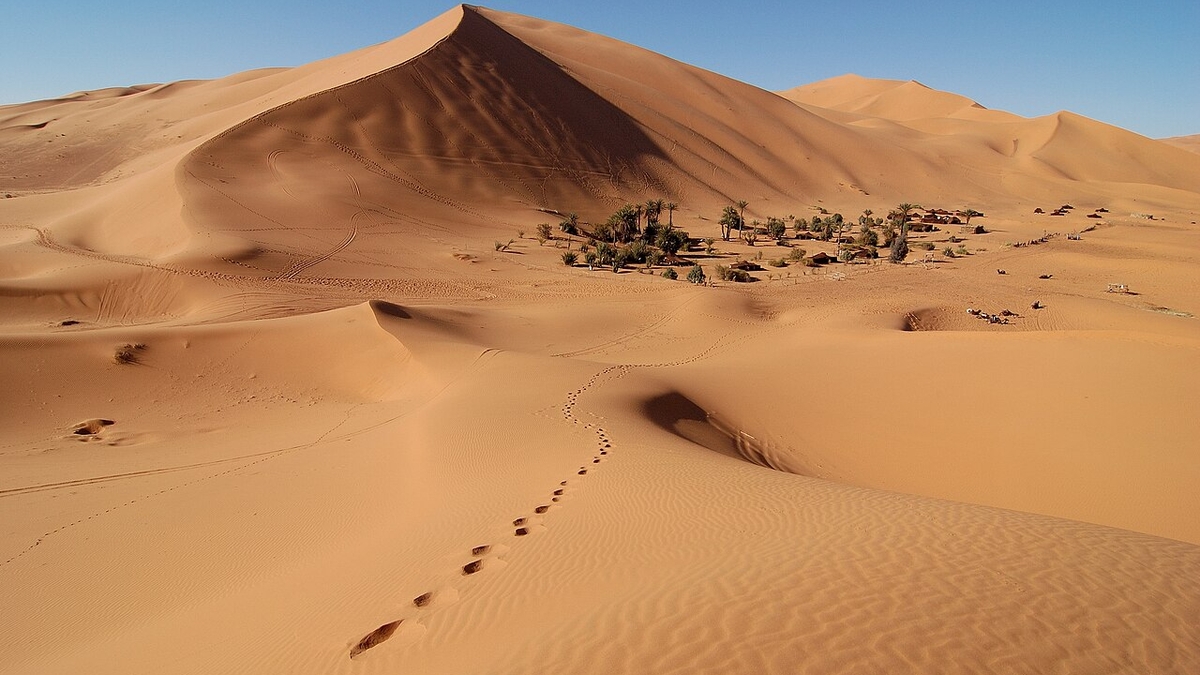
Rosino, CC BY-SA 2.0, via Wikimedia Commons
Desert raves in Morocco and Mauritania: organizers and religious context
1. Executive Summary
“Desert rave” around southern Morocco and Mauritania is not one organization or movement. It should be split into at least four categories: the free-party image made visible by the film Sirât, Transahara-style psytrance festival travel around Merzouga, community music and education projects such as Joudour Sahara/Zamane in M’hamid El Ghizlane, and commercial electronic music festivals around places such as Ouarzazate. 出典: The Sirât context is based on Festival de Cannes and The Guardian. Transahara is based on Underground Sound, and Zamane/Joudour Sahara is based on Joudour Sahara.
The available evidence does not show a religious or political organization centrally directing these events. Transahara is best read as part of an international psytrance/festival-travel circuit. Joudour Sahara is a Playing For Change Foundation-linked music education and local culture program. Oasis-type events are commercial festivals. The desert rave in Sirât draws on real rave culture, but a staged film event should not be treated as proof of a recurring public event led by one local organization. 出典: Transahara’s organizer context is based on Underground Sound and Transahara Instagram. Joudour Sahara’s program structure is based on Joudour Sahara About.
The religious profile is clear. Morocco and Mauritania are overwhelmingly Sunni Muslim societies. Morocco is more than 99 percent Sunni Muslim, and the state gives special weight to Maliki Sunni-Ashari religious education and regulation. Mauritania’s government estimates place Sunni Muslims at about 99 percent of the population; Islam is defined as the sole religion of the state and citizenry. The religious relevance of desert raves is therefore not that religious groups run them. It is that conservative Islamic social norms, tourism, youth culture, European free-party culture, and Gnawa/Sufi musical traditions meet in the same social space. 出典: U.S. Department of State, Morocco 2023 IRF Report and Mauritania 2023 IRF Report provide the religious demography. Gnawa is based on UNESCO, Gnawa decision 14.COM 10.B.26.
Islamic mysticism, usually called Sufism in English and taṣawwuf in Arabic, is better read as a spiritual tradition within Islam than as a separate sect parallel to Sunni and Shia Islam. It emphasizes inward purification, teacher-student lineages, discipline, and drawing near to God. For this report, the point is not that Sufi orders organize desert raves. It is that Gnawa, described as Sufi brotherhood music, creates a cultural bridge through repeated rhythm, all-night bodily experience, trance, healing ritual, and sacred/secular overlap that can resonate with world music, electronic music, and rave culture. 出典: Sufism and tariqa are based on Britannica, Sufism and Britannica, Tariqa. Gnawa’s ritual context is based on UNESCO and Penn Museum / Deborah Kapchan.
Landmines, the Mauritanian iron-ore railway, and the Western Sahara conflict matter, but they are not the central subject of this report. They are not supporting details about rave organizers; they are a separate question about mobility, security, infrastructure, and conflict history. This PR therefore separates them into a second report, “Landmine belts and railways in Western Sahara and Mauritania.” 出典: The mine, railway, and conflict-history analysis is separated into /reports/western-sahara-mauritania-mines-railways/.
       flowchart LR
  Film["Film imagery"]
  Psy["Psytrance circuit"]
  Culture["Local culture work"]
  Religion["Religion and norms"]
  Security["Security is separate"]

  Film --> Psy
  Psy --> Culture
  Culture --> Religion
  Religion --> Security
2. Who Is Leading These Events?
Transahara is not, on the public record, a religious movement or political group. Underground Sound describes it as a psytrance desert festival at an undisclosed dune location north of Merzouga and names Nomadstribe as the related organizing collective. Because the location is undisclosed, the exact site and year-to-year continuity should be treated carefully. The better reading is not local religious organization, but the overlap of international psytrance, traveler communities, and desert tourism. 出典: Underground Sound, Transahara and Transahara Instagram are the sources.
Joudour Sahara/Zamane is not a rave. Zamane takes place in M’hamid El Ghizlane. Its 2025 edition included more than 225 youth and musician performers, including more than 150 Gnawa youth and musicians. Joudour Sahara is a Playing For Change Foundation program focused on music education, girls’ and youth opportunity, environmental work, anti-desertification, and cultural heritage. Grouping it with electronic dance events because both happen in the desert would misstate its purpose and institutional form. 出典: Joudour Sahara, Zamane and Joudour Sahara, About are the sources.
Commercial electronic festivals such as Oasis: Into the Wild belong to Morocco’s tourism and electronic-music economy. They involve international DJs, hospitality, tourism, and brand operations. They should not be collapsed into the mine and railway questions of Western Sahara and Mauritania. 出典: Oasis-type festival context is based on OkayAfrica, Oasis Into the Wild.
| Type | Example | Lead actor | Common misreading |
|---|---|---|---|
| Cinematic free party | The desert rave in Sirât | Film production plus European rave participants | Treating staged film imagery as evidence of a recurring event |
| Psytrance desert festival | Transahara | Nomadstribe, according to available coverage | Treating a festival-travel collective as a religious or political group |
| Local cultural work | Zamane / Joudour Sahara | Playing For Change Foundation-linked program and local partners | Calling a music education project a rave |
| Commercial electronic festival | Oasis-type events | Commercial festival organizers | Conflating Moroccan tourism events with Western Sahara/Mauritania risk zones |
3. Religious Distribution and Sectarian Background
Morocco’s State Department profile gives a population of 37.4 million, more than 99 percent Sunni Muslim, and less than one percent combined Christians, Jews, Shia Muslims, Baha’is, and other minorities. It also describes state supervision of religious education, sermons, and Islamic materials around the Maliki Sunni-Ashari tradition. Strong religious administration does not mean desert festivals are run by religious institutions. 出典: U.S. Department of State, Morocco 2023 IRF Report.
In Mauritania, government estimates put Sunni Muslims at about 99 percent of the population. Islam is designated as the sole religion of the state and citizenry. Apostasy and blasphemy are defined as capital crimes, although the State Department says the death penalty has never been applied for those crimes. Any discussion of desert music, tourism, or night events in Mauritania has to account for this stronger institutional religious frame. 出典: U.S. Department of State, Mauritania 2023 IRF Report.
4. What Is Islamic Mysticism?
Islamic mysticism is usually called Sufism in English and taṣawwuf in Arabic. Britannica treats Sufism as Islamic mysticism: a tradition concerned with drawing near to God through inward purification, love, discipline, teacher-student lineages, and tariqa, the Sufi path or order. For this report, Sufism should not be read as a sect parallel to Sunni and Shia Islam. It is better read as a set of spiritual disciplines, institutions, and embodied practices within Islam. 出典: Britannica, Sufism and Britannica, Tariqa are the sources.
In the Moroccan context, the most relevant bridge is not abstract Sufism but Gnawa. UNESCO describes Gnawa as Sufi brotherhood music and notes all-night rhythm and trance healing ceremonies in which ancestral African practices and Islamic saint veneration overlap. Deborah Kapchan’s work likewise treats Gnawa as a trance-inducing musical and ritual practice whose sacred styles have moved into global music markets. 出典: UNESCO, Gnawa decision 14.COM 10.B.26, Penn Museum / Deborah Kapchan, and Kapchan, Moroccan Gnawa and Transglobal Trance are the sources.
The Sufism-rave link is therefore indirect. It is not evidence that Sufi orders organize desert raves. The connection lies in repeated rhythm, all-night collective bodily experience, trance, sacred/secular boundary work, and the relocation of ritual aesthetics into tourism, world music, and electronic-music festival settings. Essaouira’s Gnaoua and World Music Festival and MOGA-style electronic festival contexts show how Gnawa heritage and electronic/world music can share festival space. They do not prove that Transahara or similar desert raves are religiously led. 出典: Gnaoua Festival official, MOGA Festival, Mixmag MENA on MOGA, and OpenEdition Gradhiva support the festival and recontextualization point. The link here is an inference from public information, not confirmation of organizer identity.
       flowchart TD
  Sufi["Sufism"]
  Gnawa["Gnawa ritual"]
  Festival["Festival context"]
  Rave["Electronic music"]

  Sufi --> Gnawa
  Gnawa --> Festival
  Festival --> Rave
5. How Raves and Religion Intersect
The relationship has three layers. First, organizer identity: the major examples identified here are psytrance/festival travel, music education, or commercial events, not religious institutions. Second, social friction: alcohol, drugs, mixed-gender night events, and tourist behavior operate within police administration, family expectations, local reputation, and Islamic norms. Third, musical tradition: UNESCO describes Gnawa as Sufi brotherhood music tied to therapeutic ritual and performance, which should not be collapsed into electronic dance festivals. 出典: The organizer comparison is based on Underground Sound, Joudour Sahara, and OkayAfrica. Gnawa is based on UNESCO.
The connection should be framed through form, market, and symbol rather than institutional lineage. At the level of form, both Gnawa trance practice and rave culture can rely on repeated rhythm and long bodily immersion. At the level of market, sacred Gnawa music has moved into world music, tourism, and festival spaces. At the level of symbol, desert space, passage, community, and altered everyday experience can be reinterpreted in both religious and rave settings. These are similarities and recontextualizations, not evidence that a desert rave is a Sufi ritual. 出典: Gnawa’s global-market movement is informed by Afropop Worldwide, Deborah Kapchan interview, Google Books, Traveling Spirit Masters, and OpenEdition Gradhiva.
The religious frame of Sirât is different. The title refers to the Sirat Bridge, which Cannes describes as the bridge in Islamic tradition separating hell from heaven. The film uses the rave not as a religious ritual, but as a symbolic space for loss, passage, death, and community. That matters for film interpretation, but it is not evidence about real event organizers or religious demography. 出典: Festival de Cannes and Film Comment.
6. Reading caveats
For research or travel decisions, the relevant unit is not the phrase “desert rave.” It is the event location, permit status, organizer, participant profile, and relationship with local communities. Cinematic lawlessness, traveler marketing, local music education, and commercial festival operations are different phenomena. For undisclosed-location events such as Transahara, organizer, announcement channel, transport, local law, and drug/alcohol risk should be evaluated separately. 出典: This reading is an inference from the film-festival materials, event sources, religious-freedom reports, and Joudour Sahara materials cited above.
The Western Sahara mine belt and Mauritania’s SNIM railway remain important for understanding the region, but they should not be forced into a report about rave organizers. They are questions of mobility, security, state infrastructure, and mining dependence. 出典: The separate report /reports/western-sahara-mauritania-mines-railways/ handles those issues using UNMAS, MINURSO, Landmine Monitor, and SNIM sources.
References
- Festival de Cannes, Sirât, Oliver Laxe’s mystical odyssey in the desert
- The Guardian, how Sirāt went on a road trip to the dark heart of rave
- Film Comment, Interview: Oliver Laxe on Sirât
- Underground Sound, Transahara
- Joudour Sahara, Zamane
- Joudour Sahara, About
- U.S. Department of State, 2023 Report on International Religious Freedom: Morocco
- U.S. Department of State, 2023 Report on International Religious Freedom: Mauritania
- Britannica, Sufism
- Britannica, Tariqa
- UNESCO, Gnawa decision 14.COM 10.B.26
- Penn Museum, Moroccan Gnawa and Transglobal Trance
- Afropop Worldwide, Deborah Kapchan on the Gnawa of Morocco
- Kapchan, Moroccan Gnawa and Transglobal Trance
- Gnaoua Festival official
- MOGA Festival
- Mixmag MENA, MOGA Festival in Essaouira
- OpenEdition Gradhiva, La trance mondialisée
- OkayAfrica, Oasis Into the Wild
モロッコ・モーリタニア砂漠レイブの主催者と宗教文脈
1. エグゼクティブサマリー
モロッコ南部からモーリタニア周辺にかけて語られる「砂漠レイブ」は、一つの団体や運動ではない。少なくとも四つに分けて読む必要がある。映画『Sirât』が可視化した free party 的な砂漠レイブ像、Merzouga 周辺を舞台に語られる Transahara 型 psytrance フェス、M’hamid El Ghizlane の Joudour Sahara/Zamane のような地域文化・音楽教育事業、Ouarzazate などで開かれる商業電子音楽フェスである。 出典: 『Sirât』は Festival de Cannes と The Guardian、Transahara は Underground Sound、Zamane/Joudour Sahara は Joudour Sahara に基づく。
確認できる範囲では、これらを宗教団体や政治組織が一元的に主導しているとは言えない。Transahara は国際的な psytrance / festival travel 圏の運営コレクティブとして、Joudour Sahara は Playing For Change Foundation 系の音楽教育・地域文化事業として、Oasis 系イベントは商業フェスとして扱うのが妥当である。『Sirât』の砂漠レイブは実在の rave culture を取り込むが、映画のために組まれた表象をそのまま定期開催イベントの証拠にしてはいけない。 出典: Transahara の主催系統は Underground Sound と Transahara Instagram、Joudour Sahara の性格は Joudour Sahara About に基づく。
宗教分布は、モロッコもモーリタニアもスンニ派イスラムが圧倒的多数である。モロッコは人口の99%超がスンニ派ムスリムとされ、国家はマリキ派スンニ・アシュアリー系の宗教教育と管理を重視する。モーリタニアも政府推計で約99%がスンニ派ムスリムで、イスラムが国家と市民の唯一の宗教と位置づけられる。したがって、レイブとの宗教関連性は「宗教団体が主催している」という話ではなく、保守的イスラム社会の規範、観光・若者文化、欧州 free party 文化、Gnawa/Sufi 系音楽伝統が同じ空間で接触する点にある。 出典: U.S. Department of State, Morocco 2023 IRF Report と Mauritania 2023 IRF Report に基づく。Gnawa は UNESCO, Gnawa decision 14.COM 10.B.26 に基づく。
イスラム神秘主義、すなわち Sufism / taṣawwuf は、スンニ派やシーア派と並ぶ独立宗派というより、イスラム内部で内面的浄化、師弟関係、修行、神への接近を重視する霊性の伝統である。本稿で重要なのは、Sufi 教団が砂漠レイブを主催しているという話ではない。むしろ、Gnawa のような Sufi brotherhood music が、反復リズム、夜通しの身体経験、トランス、治癒儀礼、聖俗の混交を通じて、現代の world music / electronic / rave 文化と響き合う点である。 出典: Sufism と tariqa の定義は Britannica, Sufism と Britannica, Tariqa、Gnawa の儀礼的性格は UNESCO と Penn Museum / Deborah Kapchan に基づく。
地雷帯、モーリタニアの鉄鉱石鉄道、西サハラ紛争は重要だが、このレポートの主題ではない。これらは砂漠レイブの主催者や宗教文脈を説明する補助線ではなく、移動・安全保障・紛争史の独立した論点である。そのため、別レポート「西サハラ・モーリタニアの地雷帯と鉄道」で扱う。 出典: 地雷・鉄道・紛争史の詳細は同PR内の別記事 /reports/western-sahara-mauritania-mines-railways/ に分離した。
       flowchart LR
  Film["映画表象"]
  Psy["psytrance系"]
  Culture["地域文化事業"]
  Religion["宗教・社会規範"]
  Security["安全保障は別稿"]

  Film --> Psy
  Psy --> Culture
  Culture --> Religion
  Religion --> Security
2. 主導しているグループは何者か
Transahara は、公開情報上は宗教運動でも政治団体でもない。Underground Sound は、Transahara を Merzouga 北方の非公開砂丘で行われる psytrance desert festival と説明し、関連する運営コレクティブとして Nomadstribe を挙げる。非公開立地という性格上、開催地や継続性には年ごとの揺れがある。ここで重要なのは、主催者像を「現地宗教団体」ではなく、国際的な psytrance、旅行者コミュニティ、砂漠観光の交差点として捉えることである。 出典: Underground Sound, Transahara と Transahara Instagram に基づく。
Joudour Sahara/Zamane は、レイブではない。Zamane は M’hamid El Ghizlane で開催され、2025年版では225人超の若者・ミュージシャン、150人超の Gnawa 系若者・ミュージシャンが関わったと説明される。Joudour Sahara は Playing For Change Foundation のプログラムで、音楽教育、女性・若者の機会、環境、反砂漠化、地域文化継承を掲げる。電子音楽イベントと同じ「砂漠の音楽」という見た目で括ると、目的と組織形態を誤る。 出典: Joudour Sahara, Zamane と Joudour Sahara, About に基づく。
Oasis: Into the Wild のような商業電子音楽フェスは、モロッコの観光・電子音楽産業の文脈に置くべきである。これは国際DJ、宿泊、観光、ブランド運営を含む商業フェスであり、西サハラやモーリタニアの地雷・鉄道問題とは直接同じ地理ではない。 出典: Oasis 系イベントの性格は OkayAfrica, Oasis Into the Wild に基づく。
| 類型 | 例 | 主導主体 | 誤読しやすい点 |
|---|---|---|---|
| 映画的 free party | 『Sirât』の砂漠レイブ | 映画制作側と欧州 rave culture 参加者 | 実在文化を使った演出を、定期イベントと見なしてしまう |
| psytrance 砂漠フェス | Transahara | Nomadstribe とされる運営コレクティブ | 宗教団体や政治団体と見なしてしまう |
| 地域文化事業 | Zamane / Joudour Sahara | Playing For Change Foundation 系プログラムと地域パートナー | レイブと混同してしまう |
| 商業電子音楽フェス | Oasis 系イベント | 商業フェス運営 | 西サハラ/モーリタニアの危険地帯と混同してしまう |
3. 宗教分布と宗派
モロッコは、国務省報告が人口 3,740万人、スンニ派ムスリム 99%超、キリスト教徒・ユダヤ教徒・シーア派・バハイなどは合計1%未満と整理する。同報告は、政府がマリキ派スンニ・アシュアリー系の宗教教育、説教、宗教資料配布を管理していることも示す。公的制度としての宗教管理は強いが、それは砂漠フェスの主催主体が宗教組織であることを意味しない。 出典: U.S. Department of State, Morocco 2023 IRF Report に基づく。
モーリタニアでは、政府推計で約99%がスンニ派ムスリムである。イスラムは国家と市民の唯一の宗教とされ、背教・冒涜は死刑相当の犯罪と規定されるが、同報告はこれらの犯罪に死刑が適用されたことはないと説明している。モーリタニア側で砂漠の音楽・観光・夜間イベントを論じる場合、制度的な宗教規範の強さを無視できない。 出典: U.S. Department of State, Mauritania 2023 IRF Report に基づく。
4. イスラム神秘主義とは何か
イスラム神秘主義は、一般に Sufism、アラビア語では taṣawwuf と呼ばれる。Britannica は Sufism を Islamic mysticism として扱い、神への接近、内面的浄化、愛、修行、師弟関係、tariqa(道・教団)を通じて展開してきた伝統として説明する。ここで重要なのは、Sufism をスンニ派やシーア派と並ぶ「宗派」として読むのではなく、イスラム内部の霊性・修行・共同体形成の方法として読むことだ。 出典: Britannica, Sufism と Britannica, Tariqa に基づく。
モロッコの文脈でレイブとの接点を考えるなら、抽象的な Sufism より Gnawa が重要である。UNESCO は Gnawa を Sufi brotherhood music とし、都市部では祖先的アフリカ実践とイスラム的聖者崇敬が重なる夜通しのリズムとトランスの治癒儀礼を行うと説明する。Deborah Kapchan も Gnawa を、反復する qraqab と ginbri の低音によってトランスを誘発し、聖なる文脈がグローバルな音楽市場へ移動する事例として論じている。 出典: UNESCO, Gnawa decision 14.COM 10.B.26、Penn Museum / Deborah Kapchan、Kapchan, Moroccan Gnawa and Transglobal Trance に基づく。
したがって、Sufism とレイブの関係は「Sufi 教団が砂漠レイブを主催している」という直接関係ではなく、反復リズム、夜通しの身体経験、トランス、聖俗の境界、観光・フェス市場への再配置という間接的な関係である。Essaouira の Gnaoua and World Music Festival や MOGA のような electronic / world music 文脈は、Gnawa 的なトランスや地域文化が現代フェスの語彙に接続される場を作る。ただし、これは文化的・音楽的な接点であって、Transahara などの砂漠レイブ主催者が Sufi 系宗教団体であることを示す根拠ではない。 出典: Gnaoua Festival official、MOGA Festival、Mixmag MENA on MOGA、OpenEdition Gradhiva に基づく。ここでの接続は公表情報からの推定であり、主催関係の確認ではない。
       flowchart TD
  Sufi["Sufism"]
  Gnawa["Gnawa儀礼"]
  Festival["フェス化"]
  Rave["電子音楽文化"]

  Sufi --> Gnawa
  Gnawa --> Festival
  Festival --> Rave
5. レイブと宗教の関係
関係は三層に分けると見通しがよい。第一に、主催者の宗教性である。確認できる主要事例では、psytrance/festival travel、音楽教育、商業フェスが中心で、宗教団体による主催とは確認できない。第二に、社会規範との摩擦である。飲酒、薬物、男女混合の夜間イベント、外国人観光客の行動は、宗教法だけでなく、警察行政、家族規範、地域社会の評判と結びつく。第三に、音楽文化の宗教的層である。Gnawa は UNESCO が Sufi brotherhood music と説明するように、治癒儀礼・霊的実践・音楽が重なる文化であり、電子音楽フェスと単純に同じではない。 出典: 主催者類型は Underground Sound、Joudour Sahara、OkayAfrica を比較した。Gnawa は UNESCO に基づく。
ここでの「つながり」は、主催者系譜ではなく、形式・市場・象徴の三層で見るべきである。形式としては、反復リズムと長時間の身体的没入がある。市場としては、Gnawa の聖なる音楽実践が world music、観光、フェスティバル空間へ移動している。象徴としては、砂漠、通過、共同体、脱日常が、宗教儀礼と rave culture の双方で読み替えられる。ただし、これらは類似性と再文脈化であって、砂漠レイブを Sufi 儀礼と同一視する根拠ではない。 出典: Gnawa のグローバル市場化は Afropop Worldwide, Deborah Kapchan interview、Google Books, Traveling Spirit Masters、OpenEdition Gradhiva を参照した。
『Sirât』の宗教性は、現実の主催者分析とは切り離すべきである。題名の Sirāt Bridge はイスラム文化における橋のイメージを参照し、Cannes 公式も「地獄と天国を分ける橋」と説明する。映画はレイブを宗教儀礼として描くのではなく、喪失、通過、死、共同性を考える象徴的空間として使っている。これは映画読解として重要だが、現実の砂漠フェスの主催団体や宗教分布の証拠ではない。 出典: Festival de Cannes と Film Comment interview に基づく。
6. 砂漠レイブを読む注意点
調査や訪問判断では、「砂漠レイブ」という言葉ではなく、開催地、許認可、主催者、参加者層、地域社会との関係を確認する必要がある。映画的な無法地帯イメージ、旅行者向けの宣伝、地域音楽教育、商業フェスは同じではない。特に Transahara のような非公開立地型イベントは、主催者、告知経路、移動手段、現地法規、薬物・飲酒リスクを分けて確認するべきである。 出典: この判断は上記の映画祭資料、イベント資料、宗教自由報告、Joudour Sahara 資料を統合した公表情報からの推定である。
西サハラの地雷帯やモーリタニアの SNIM 鉄道は、この地域を理解するうえで重要だが、レイブ主催者の説明に押し込むと論点が散る。地雷・鉄道・紛争史は、移動可能性、安全保障、国家インフラ、鉱業依存の問題として独立して読んだ方がよい。 出典: 別レポート /reports/western-sahara-mauritania-mines-railways/ では、UNMAS、MINURSO、Landmine Monitor、SNIM資料に基づいて扱う。
参考情報
- Festival de Cannes, Sirât, Oliver Laxe’s mystical odyssey in the desert
- The Guardian, how Sirāt went on a road trip to the dark heart of rave
- Film Comment, Interview: Oliver Laxe on Sirât
- Underground Sound, Transahara
- Joudour Sahara, Zamane
- Joudour Sahara, About
- U.S. Department of State, 2023 Report on International Religious Freedom: Morocco
- U.S. Department of State, 2023 Report on International Religious Freedom: Mauritania
- Britannica, Sufism
- Britannica, Tariqa
- UNESCO, Gnawa decision 14.COM 10.B.26
- Penn Museum, Moroccan Gnawa and Transglobal Trance
- Afropop Worldwide, Deborah Kapchan on the Gnawa of Morocco
- Kapchan, Moroccan Gnawa and Transglobal Trance
- Gnaoua Festival official
- MOGA Festival
- Mixmag MENA, MOGA Festival in Essaouira
- OpenEdition Gradhiva, La trance mondialisée
- OkayAfrica, Oasis Into the Wild